
Last updated November 22, 2026
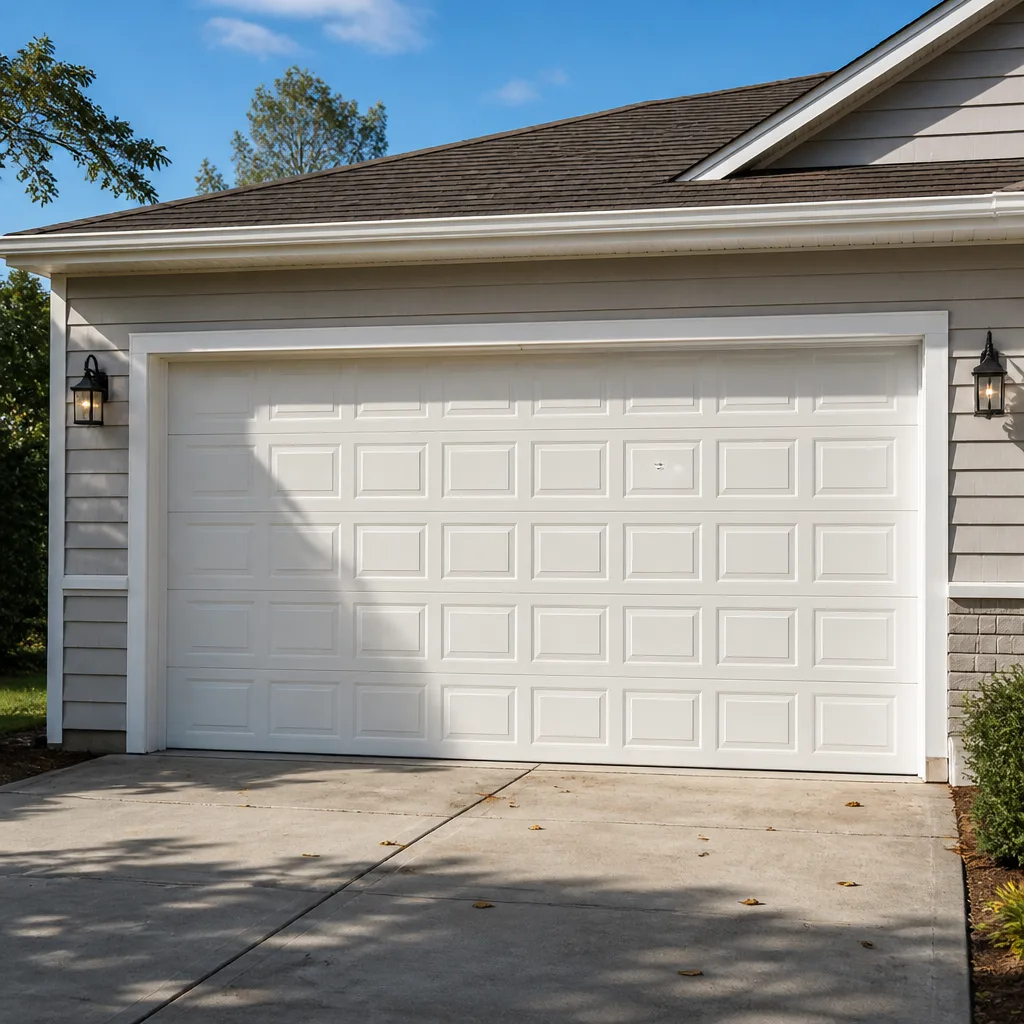 Raised-panel steel
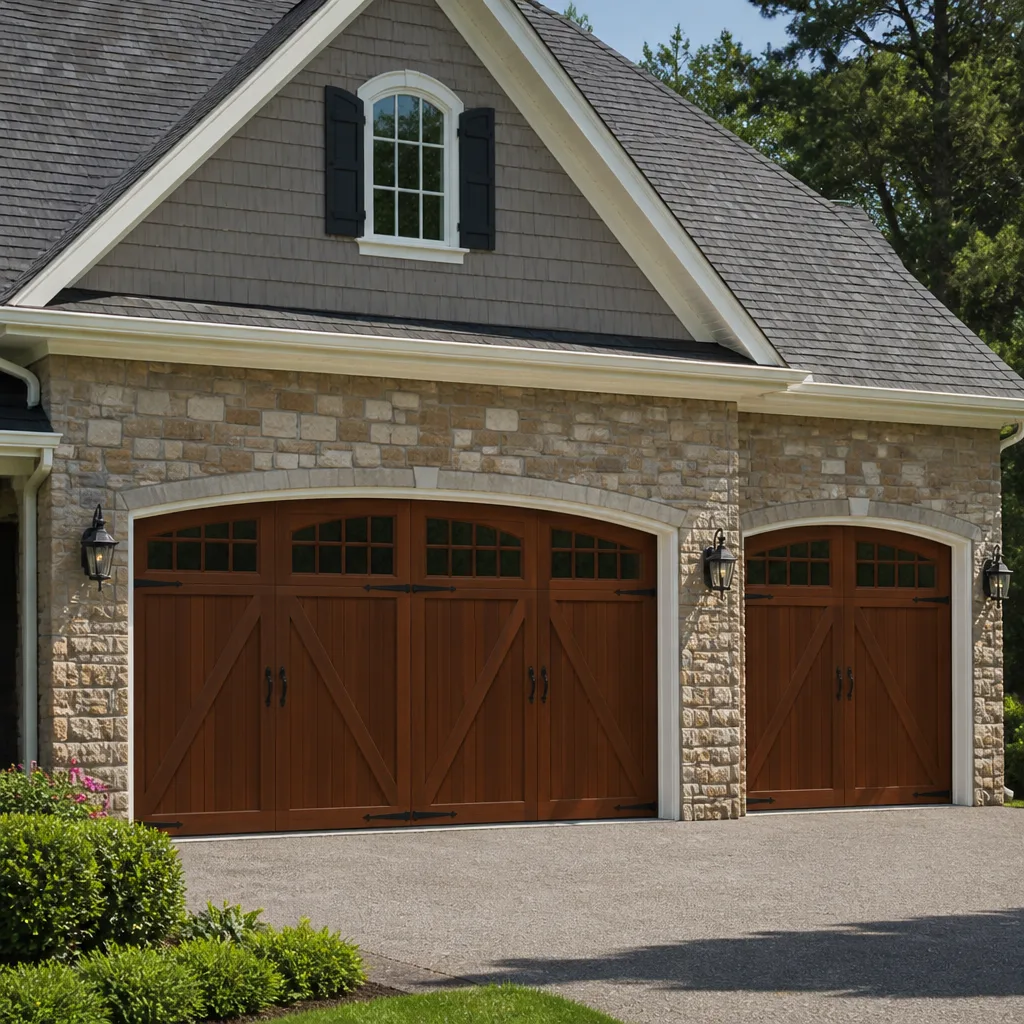 Carriage house
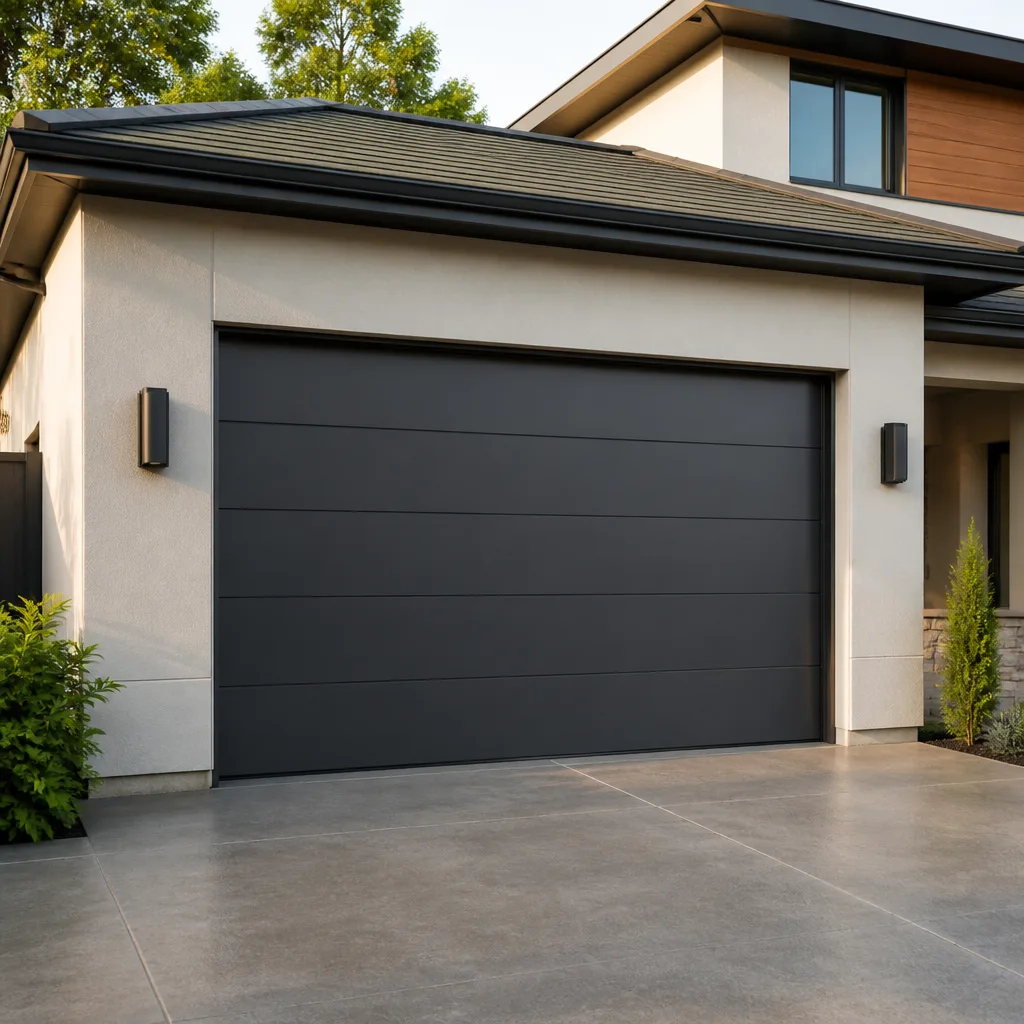 Modern flush
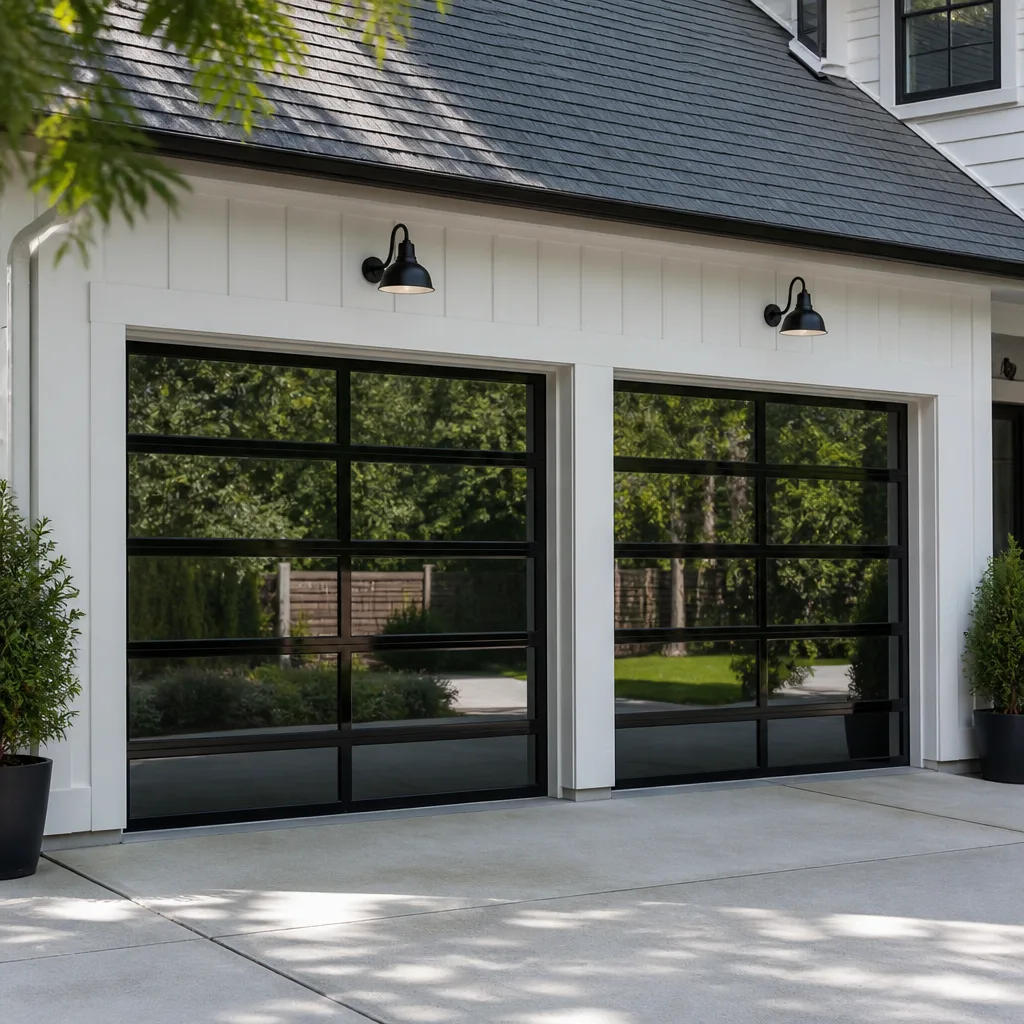 Full-view glass
 LiftMaster openers
 Chamberlain openers
Full 25-point door and opener safety check with every visit - springs, cables, rollers, tracks, and your LiftMaster or Chamberlain opener included
You get a price before we start. It does not change when the pro arrives.
Get your free estimateSeasonal Garage Door Care for Coral Springs: Year-Round Homeowner’s Guide
Most garage door maintenance advice you’ll find online was written for places with four real seasons, and it doesn’t fit Coral Springs. There’s no spring thaw to prepare for here and no first freeze to beat. What we actually have is a two-season calendar that matters for your door: hurricane season from June through November, and the drier stretch from December into March. Each one stresses your garage door in completely different ways, and the work that protects it in one season is not the work that protects it in the other. This guide throws out the generic template and builds a schedule around South Florida’s real weather. You’ll learn what to inspect before storm season, what to do while a storm is bearing down, how to check the door afterward even when it looks fine, and what the dry months are actually good for.
Quick Answer
In Coral Springs, garage door care follows two seasons, not four: pre-hurricane prep (April through May) and post-storm inspection (after any named storm), plus a dry-season maintenance window from December through March for wood, paint, and spring tension. The single most important deadline on the calendar is June 1, the start of hurricane season, because your door should already be inspected, lubricated, and confirmed to meet current wind-load expectations before the first named storm forms.
Styles & brands we work with
- Raised-panel steel
- Carriage house
- Modern flush
- Full-view glass
- LiftMaster openers
- Chamberlain openers
Table of Contents
- Why Coral Springs Garage Doors Live on a Two-Season Calendar
- The Pre-Hurricane Season Checklist (April and May)
- During the Storm: Manual Release, Bracing, and What Not to Do
- Post-Storm Inspection: Checking a Door That “Seems Fine”
- Dry Season Tasks (December through March)
- How Year-Round Heat Affects Openers, Circuit Boards, and Batteries
- The Rainy Season Details Nobody Mentions
- Your Twelve-Month Coral Springs Garage Door Calendar
Why Coral Springs Garage Doors Live on a Two-Season Calendar
If you moved to Coral Springs from a northern state, the seasonal garage door advice you grew up with doesn’t transfer. Up north, the door’s enemy is cold: steel contracts, lubricant thickens, and the freeze-and-thaw cycle works fasteners loose. Here, the door’s enemies are heat, humidity, wind-driven rain, and salt-free but still relentless sun. That’s a different set of problems, and it calls for a different schedule.
The two seasons that actually matter break down like this:
- Hurricane season (June 1 through November 30). This is when wind load, track anchoring, and panel integrity become the priority. A door that opens smoothly in April can still be the weak point in your home’s wind envelope in August if its tracks or hinges have loosened.
- Dry season (roughly December through March). Lower humidity and less rain make this the right window for wood repairs, repainting exposed steel edges, and recalibrating spring tension. Paint cures better and wood dries out enough to work on.
Notice what’s missing: there’s no “winterizing” step, no antifreeze for the opener, no ice dam to worry about. The generic advice you’ll find on national sites assumes conditions Coral Springs doesn’t have. What we’ve learned working on doors across this city is that the calendar here is driven by storm prep and storm recovery, with a quiet maintenance stretch in between. If you get those two rhythms right, everything else falls into place.
The good news is that a well-maintained door handles both seasons well. The bad news is that neglect compounds. A loose track in May becomes a bent panel in September. A dry, unlubricated hinge in December becomes a seized roller by the following summer. Small tasks done on schedule cost far less than the repairs they prevent, and that’s the whole logic behind this guide.
The Pre-Hurricane Season Checklist (April and May)
June 1 isn’t just the start of hurricane season in Florida. It’s the deadline by which your garage door should already be inspected, lubricated, and confirmed to meet current wind-load expectations, because the first named storm rarely gives much notice. April and May are your window to get ahead of it. Here’s the checklist we walk through:
- Inspect the tracks for alignment and anchoring. Look at where the vertical and horizontal tracks attach to the wall and ceiling. Loose lag bolts or bent brackets are the most common pre-storm issues we find. A track that’s even slightly out of alignment puts uneven load on the door and makes it more vulnerable to wind pressure.
- Test the balance of the door. Disconnect the opener and lift the door by hand about halfway. It should stay where you let go. If it drops or rises on its own, the springs are out of balance, and a door that isn’t balanced fights the opener and the wind at the same time.
- Check panels and hinges for looseness. Walk the door panel by panel. Look for gaps at the hinges, loose fasteners, or any panel that flexes more than the others. On a Clopay or Amarr door, panel integrity is a big part of the wind rating.
- Lubricate hinges, rollers, and springs. A garage-door-specific lubricant on the hinges, roller stems, and torsion springs keeps everything moving freely, which matters more when heat has dried things out.
- Verify the opener’s safety reverse. Put a small object in the door’s path and confirm the door reverses on contact. Test the photo-eye sensors too.
- Confirm the wind-load rating of the door. If your home was built or your door was replaced at some point, you may not know the door’s wind rating. Check the label on the door or the original paperwork. If you can’t find it, an inspection can help you figure out whether the door meets current expectations for your area.
That last point is where a marginal door becomes a decision. If your door is aging, has a history of panel damage, or was never rated for the wind loads Coral Springs homes are expected to handle, April and May are when to think about replacement, not after a storm has already tested it. Repair when possible, replace only when necessary is how we approach it, but a door that’s already failing before hurricane season is a door worth talking through honestly. For a closer look at what a pre-season tune-up covers, see our garage door repair page.
One scheduling note: pre-season inspections and any installation work are planned jobs, not same-day drop-ins. A door that needs measuring and ordering takes time, which is exactly why the April and May window exists. Call early and we’ll set up a free measure and a written price.
During the Storm: Manual Release, Bracing, and What Not to Do
When a named storm is approaching and you’re making final preparations, the garage door deserves a specific set of actions and a short list of things to avoid. The goal is to keep the door closed, secured, and as strong as it can be for the duration of the wind.
Use the manual release correctly. Every opener has a red manual release handle (sometimes a cord) that disconnects the door from the motor. You’d use it to open the door by hand if power fails or the opener jams. But during a storm, you generally want the door connected and powered if possible, so the opener’s lock holds it down. If you do need to operate it manually, pull the release, move the door, and know how to re-engage it afterward. Don’t leave the door disconnected and partway open going into high wind.
Brace older doors that lack a wind kit. If your door was installed without a wind-load reinforcement kit, you can add temporary interior bracing before a storm. A common approach is to cut lumber or use adjustable bracing posts that press against the door from the inside, transferring wind load into the floor and header. Follow any manufacturer guidance you have. This is a temporary measure, not a substitute for a properly rated door.
What not to do:
- Don’t prop the door open to “let the wind through.” An open or partially open door is far more vulnerable to damage than a closed one, and it compromises the seal of your home.
- Don’t tape the panels or try to seal gaps with plastic sheeting. It won’t help and can trap water.
- Don’t stand in front of the door to “test” it during wind. Stay clear of the door’s path.
- Don’t run the opener repeatedly during the storm. If power is flickering, repeated cycles can stress the motor and the door.
The overriding principle: a closed, connected, reinforced door is your safest configuration. If your door has a history of issues and you’re unsure it will hold, that’s a pre-season conversation to have in April or May, not during the storm itself. Emergency service is available during and after storms for doors that fail, but the goal is always to prevent the failure in the first place.
Post-Storm Inspection: Checking a Door That “Seems Fine”
After a storm passes, a garage door can look perfectly fine and still have problems that only show up weeks later. High wind puts enormous stress on tracks, hinges, and the opener’s drive system, and the damage isn’t always visible. A door that cycled smoothly before the storm and cycles smoothly after it can still have a track that shifted a quarter inch, which will wear the rollers and eventually bend a hinge.
Here’s how to check the door after high winds, in order:
- Look at the track alignment from the floor. Stand back and sight along each vertical track. It should be straight and parallel to the door’s edge. Any bow, kink, or shift means the door is being pulled off course.
- Check the anchors. Inspect every lag bolt where the tracks meet the wall and ceiling. A bolt that’s backed out or a bracket that’s bent is a wind-damage signature.
- Look for panel damage. Walk the door inside and out. Dents, creases, or panels that no longer line up at the seams are signs the wind moved the door beyond its rating. On a Wayne Dalton or Craftsman door, a single bent panel can throw the whole door out of alignment.
- Test the balance again. Disconnect the opener and lift the door halfway. It should stay put. If it dropped or shifted after the storm, the springs took on stress they weren’t designed for.
- Listen to the opener. Run the door one full cycle and listen. Grinding, straining, or a door that stops short are opener symptoms that can trace back to a track or balance problem caused by the storm.
- Check for water intrusion. Wind-driven rain can get past the bottom seal. Look for water stains on the floor or rust starting at the bottom panel’s steel edge.
If any of those checks turn up something, don’t keep cycling the door. A misaligned track or a stressed spring gets worse with use, and a spring failure is the most dangerous thing that can happen on a garage door. Springs are under high tension and can cause serious injury, so they’re a job for a trained professional, not a homeowner with a wrench. Our garage door spring repair page covers what that repair involves. If the opener is the problem, our garage door opener repair page walks through the common opener failures. And when a door won’t open or close at all after a storm, emergency service is available. Call (855) 697-3734. We answer 24/7. Fast dispatch from 7am to 7pm, Sunday through Friday.
Dry Season Tasks (December through March)
The drier months from December into March are the quiet stretch on the storm calendar, and they’re the right time to handle the maintenance that heat and humidity have been putting off. Lower humidity means wood dries out enough to work on, paint cures better, and you’re not fighting rain every weekend. Here’s what belongs on the dry-season list:
- Address wood swelling repairs. If your door has wood components, the humid season can cause swelling, sticking, and warping. In the dry months, those areas dry out and become workable. This is the window to sand, repair, and seal wood that’s been binding.
- Repaint exposed steel edges. The bottom edge of a steel door takes the brunt of rain splash and is where rust starts. Sand any rust spots down to bare metal and repaint in the dry season so the paint has time to cure before the rains return.
- Recalibrate spring tension. After a full hurricane season of stress, springs can be out of balance. A dry-season tune-up checks and adjusts tension so the door is balanced and the opener isn’t working overtime. Spring adjustment is dangerous work, so this is a professional task.
- Replace the opener’s battery backup. This is the best time to swap the backup battery, since a backup that fails in a storm-triggered outage is the one you needed most. Test it under load by disconnecting power and running the door one full cycle.
- Lubricate everything again. Hinges, rollers, and springs get a fresh coat of garage-door lubricant going into the dry season so nothing seizes.
- Inspect and replace the bottom seal. The weather seal at the bottom of the door wears out and lets water and pests in. Dry season is when to replace it.
There’s a practical reason to cluster this work: doing it all in one visit is faster and simpler than spreading it across the year. Spring, opener, or door, we handle it all in a single call, which means fewer appointments and one clear written price for the work. That’s the kind of scheduling Coral Springs homeowners tend to appreciate.
How Year-Round Heat Affects Openers, Circuit Boards, and Batteries
The heat in Coral Springs doesn’t just run the air conditioner harder. It changes how long your garage door opener’s electronics last, and the effect is different from what happens up north. In cold climates, the opener’s enemies are temperature swings and condensation from freeze-thaw. Here, the enemy is steady, year-round heat in the garage itself, which is often the hottest space in the house because it has minimal ventilation and a large, sun-exposed door soaking up heat all afternoon.
What that means in practical terms:
- Circuit boards run hotter. The opener’s circuit board and motor controller sit in that heat and degrade faster than they would in a moderate climate. A garage door opener that lasts a decade in a cooler part of the country may see a shorter working life here. In our experience, heat is the leading cause of electronic opener failures in this area.
- Battery backup loses capacity. Lithium and sealed lead-acid backup batteries don’t like sustained heat, and a battery that sits in a hot garage holds less charge and ages faster. Test the backup under load during the dry season and again before hurricane season, and replace it when it starts to sag.
- Lubricant thins and dries. Heat thins lubricant and moisture dries it out, so hinges and rollers squeak sooner than they would elsewhere. Fresh lubricant in the dry season and again before storm season keeps things quiet and free.
- Opener motors strain. A hot motor plus a door that’s out of balance equals strain. Keeping the door balanced takes load off the opener and helps it run cooler.
The brands we service across this city include Clopay, Amarr, Wayne Dalton, and Craftsman, along with LiftMaster, Chamberlain, Genie, and Raynor. Each has its own quirks, but the heat-related failure pattern is broadly the same: the electronics and the backup battery are the first things to feel it. Knowing the opener’s make and model speeds up diagnosis, which is why we ask for it when you call. If your opener is straining, making odd noises, or won’t hold memory after a power blip, that’s a sign the electronics are struggling. Don’t wait for a storm to test it. Spring, opener, or door, we handle it all on a single visit.
While you’re at it, it’s worth checking the opener’s manual for its rated working temperature and cycle rating. Every opener has a limit, and long summer afternoons push against it. A quick inspection catches a motor that’s running hot before it fails outright.
The Rainy Season Details Nobody Mentions
The rainy stretch of the year brings its own set of issues that don’t show up in the generic seasonal advice, mostly because they have nothing to do with snow or ice. Wind-driven rain is the bigger problem here, and it attacks the door at its weakest points: the bottom seal, the panel seams, and the track fasteners.
The bottom seal is the first line of defense. Over time it flattens, cracks, and pulls away from the door’s edge. A failing seal lets water past the bottom edge, which is exactly where a steel door rusts first. Check it after a heavy rain event. If water pools on the garage floor after a storm and the door was closed, the seal is your suspect. Dry season is the right time to replace it.
Panel seams and hinges are the next weak points. Wind-driven rain can get into the seams between panels and into the hinge pivots, and over time that means rust and sticking hinges. Keeping hinges lubricated helps push water away, and inspecting the bottom panel after a storm tells you whether water got in.
Track fasteners deserve a look too. Consistently wet conditions can loosen lag bolts over time, and a track that’s even slightly loose is vulnerable to wind. A pre-storm torque check on the anchors catches a lot of trouble early.
Finally, the opener’s photo-eye sensors can misread in heavy rain and mist if the lenses are fogged or dirty. Wipe the lenses off after a storm and re-test the safety reverse. It’s a two-minute job that prevents a lot of frustration. If an inspection turns up a repair you’d rather get ahead of, our garage door repair service handles spring, opener, and door issues on one visit.
Your Twelve-Month Coral Springs Garage Door Calendar
Here’s the schedule condensed into one place, built around Coral Springs’ two seasons rather than the generic four-season template:
- January through March (dry season): Wood swelling repairs, repaint exposed steel edges, recalibrate spring tension, replace the bottom seal, replace the opener’s backup battery.
- April and May (pre-season): Full inspection including tracks, anchors, panels, hinges, balance, and the opener’s safety reverse. Lubricate everything. Confirm the door’s wind-load rating and decide on any replacement before storm season.
- June 1 (hurricane season begins): Your door should already be inspected, lubricated, and confirmed to meet current wind-load expectations. If it isn’t, book a pre-season inspection now.
- June through November (hurricane season): Keep the door closed and connected during storms. Use the manual release only when necessary. Check the bottom seal and photo-eye lenses after heavy rain.
- After any named storm: Full post-storm inspection of tracks, anchors, panels, balance, and opener operation, even if the door seems fine.
- December (transition back to dry season): Fresh lubrication, test the battery backup under load, and start the dry-season repair list.
That’s the whole calendar, and it’s deliberately simpler than the four-season version you’ll find on national sites. Two seasons, two priorities, one quiet maintenance window.
Common Mistakes to Avoid
- Following four-season advice written for cold climates. Winterizing steps, freeze-thaw worries, and ice-related tasks don’t apply here, and spending time on them means real priorities get skipped.
- Waiting until a storm is named to inspect the door. A door that fails in the April-May window has time to be repaired or replaced. One that fails the week before a storm may not get the same options.
- Assuming a door that opens smoothly after a storm is undamaged. Track shifts and stressed springs don’t always announce themselves. A post-storm inspection catches them before they compound.
- Testing or adjusting springs yourself. Springs are under high tension and the most dangerous component on the door. This is a trained-professional task, full stop.
- Skipping the battery backup test. A backup battery that’s been aging quietly in the heat is the one you find out about during the outage that matters.
- Letting the bottom seal go. A worn seal lets water into the bottom panel’s steel edge, which is where rust starts. It’s an inexpensive part to replace and an expensive problem to ignore.
- Propping the door open during a storm. An open or partially open door is far more vulnerable than a closed one. Keep it closed and connected.
See the difference
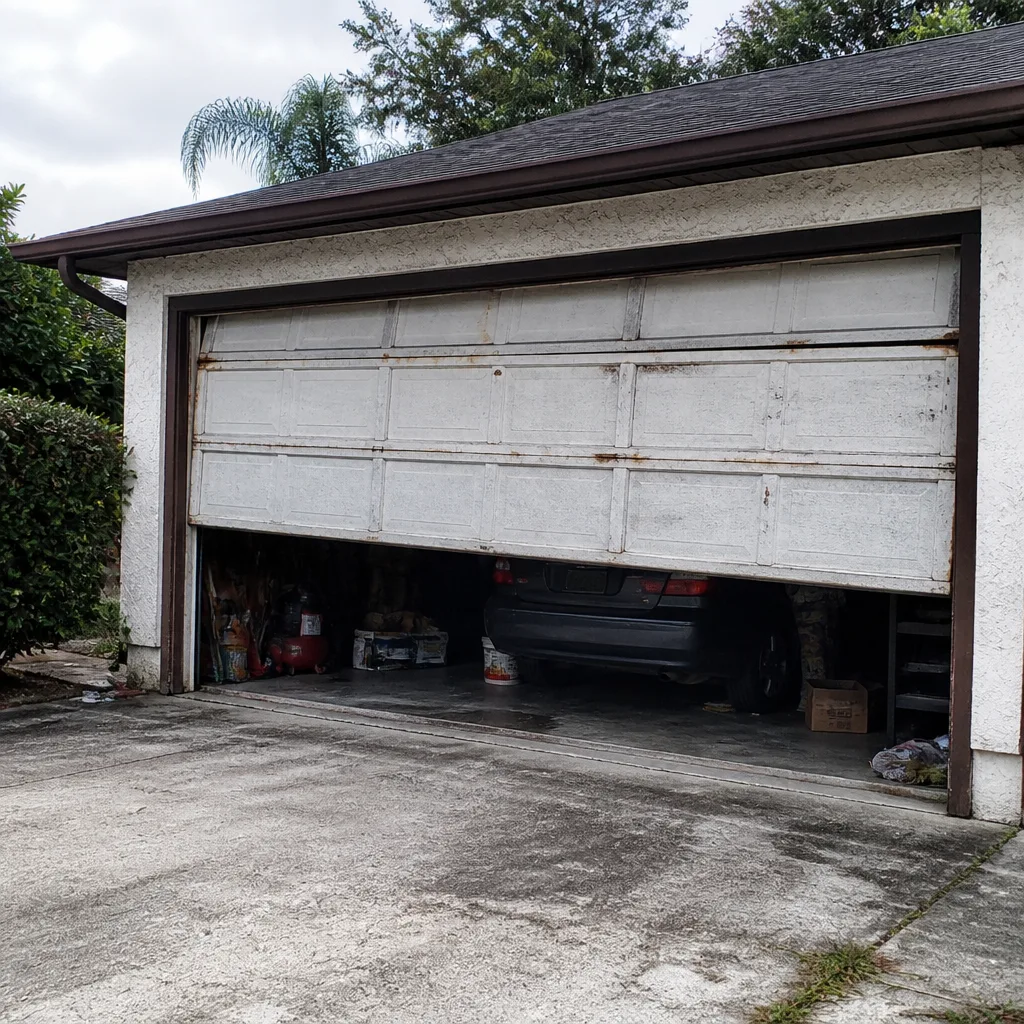 Before
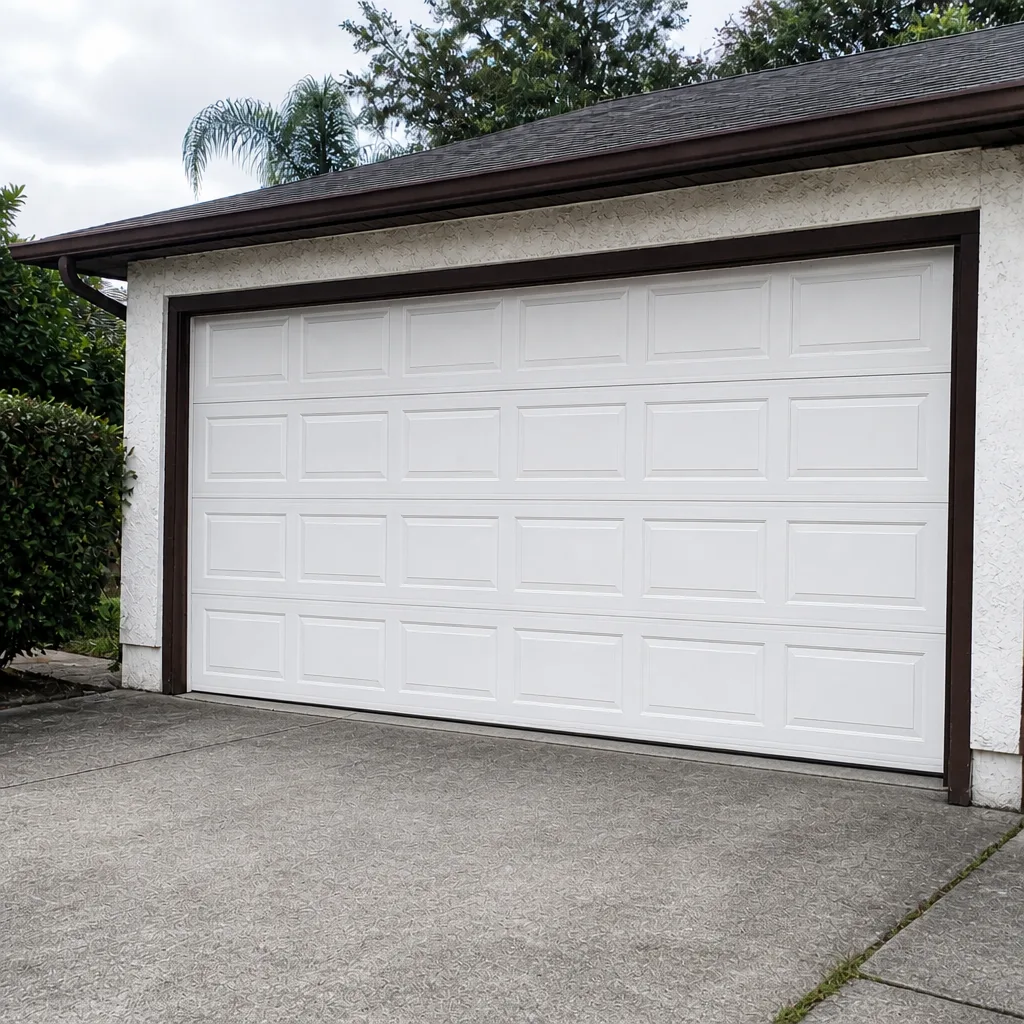 After
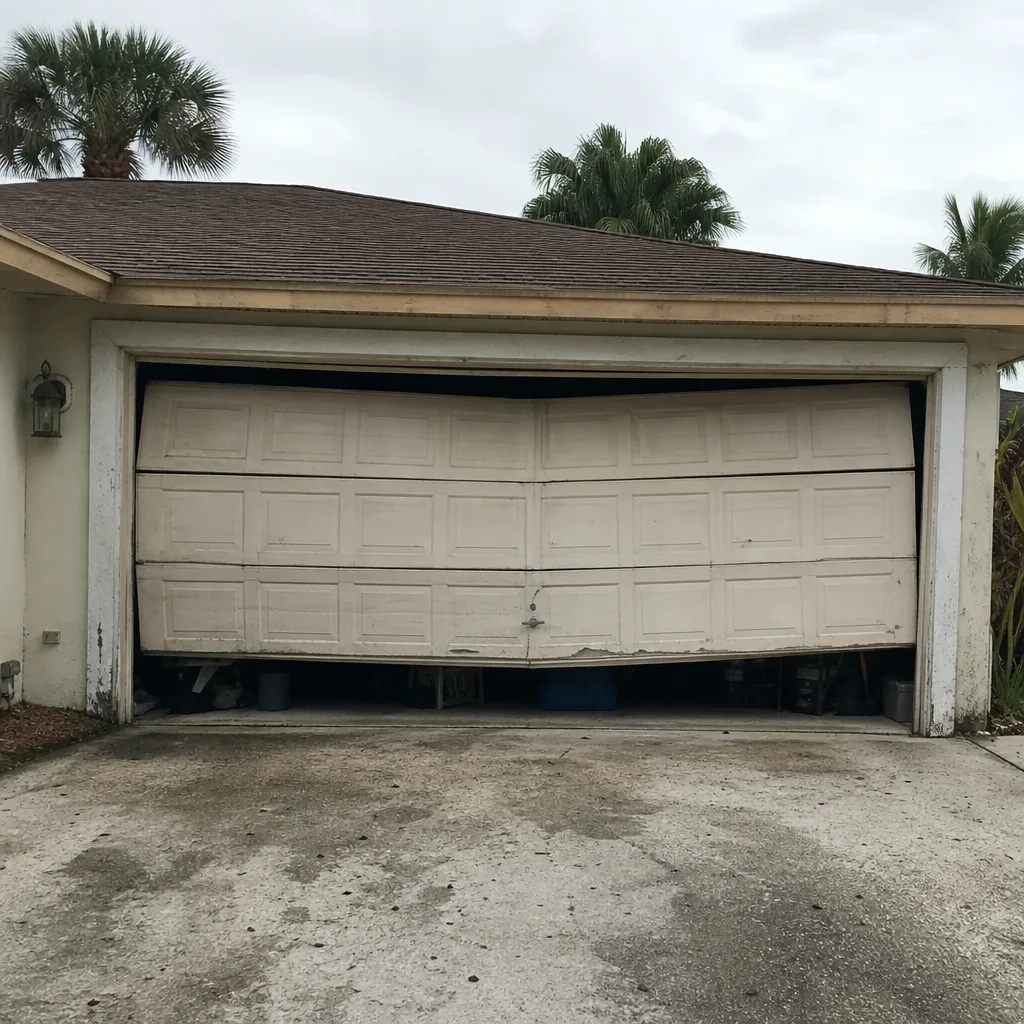 Before
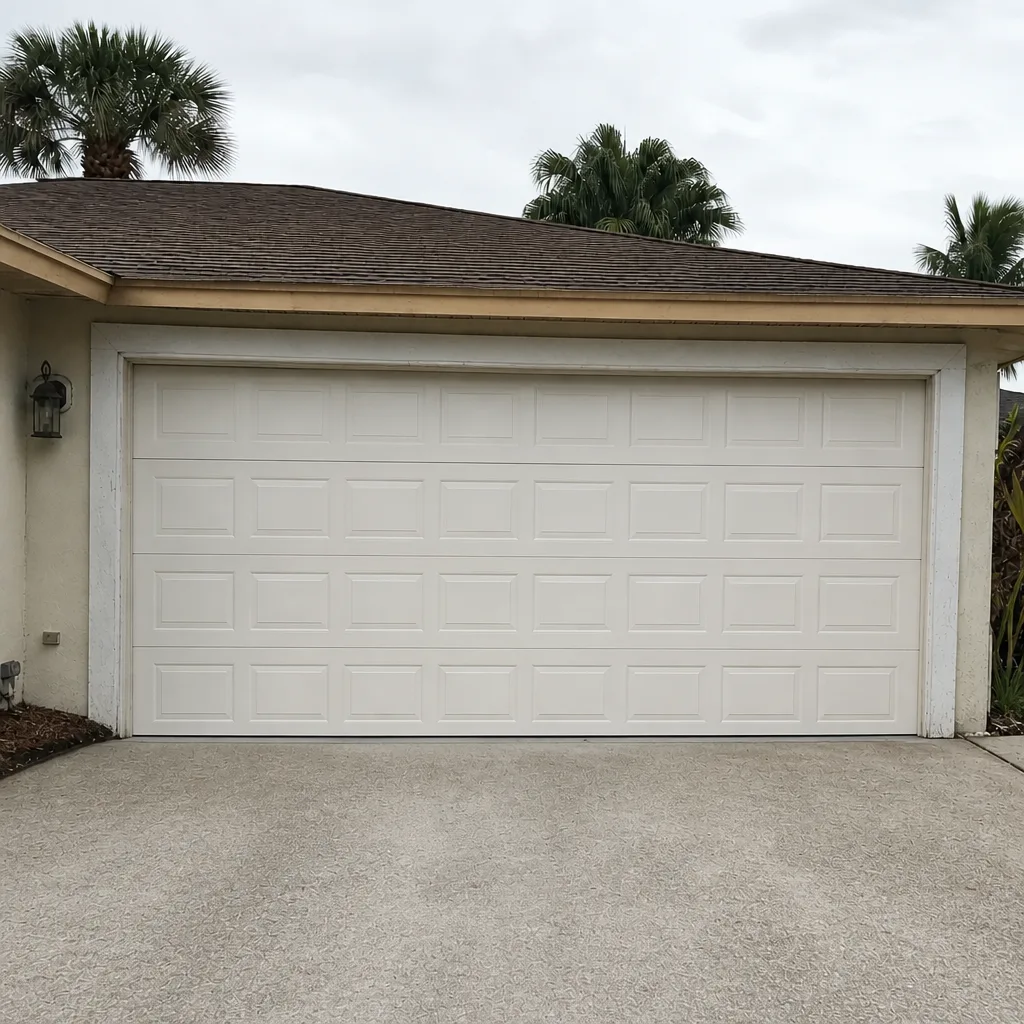 After
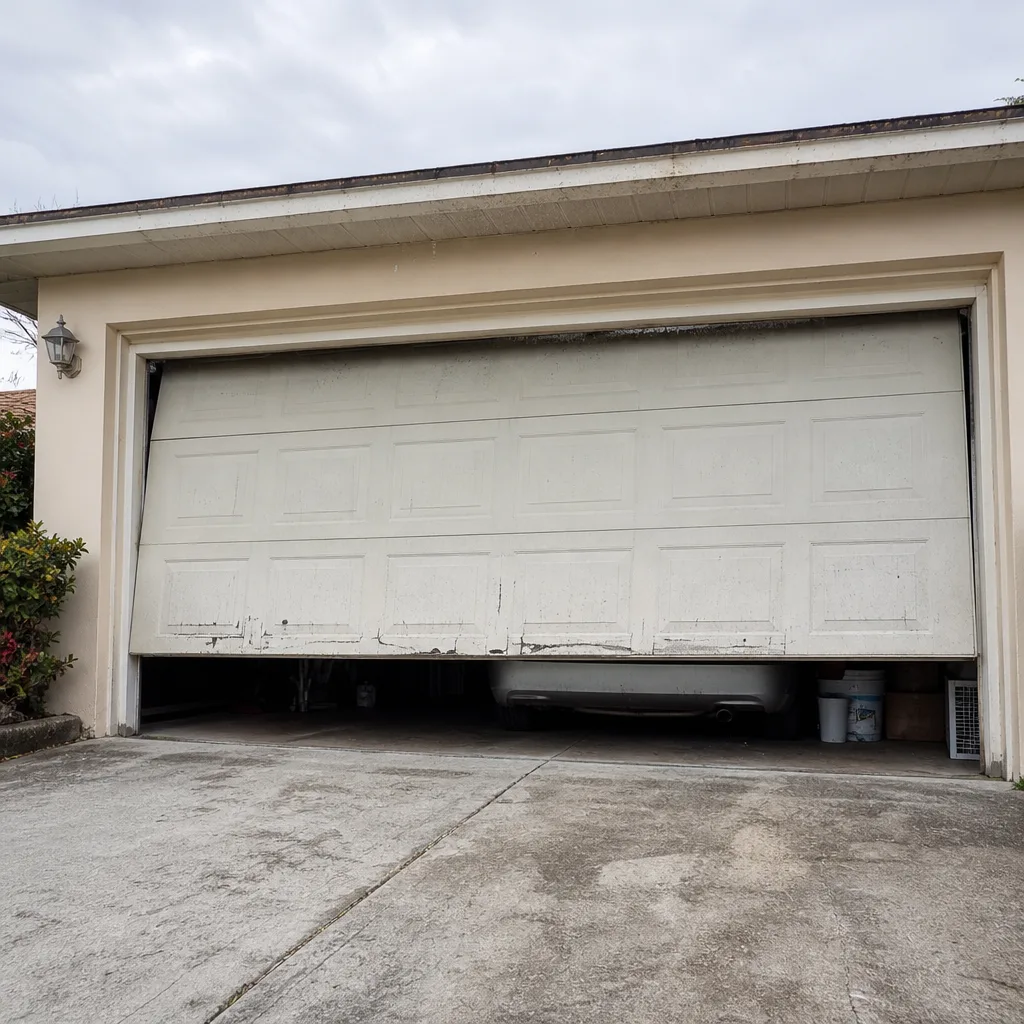 Before
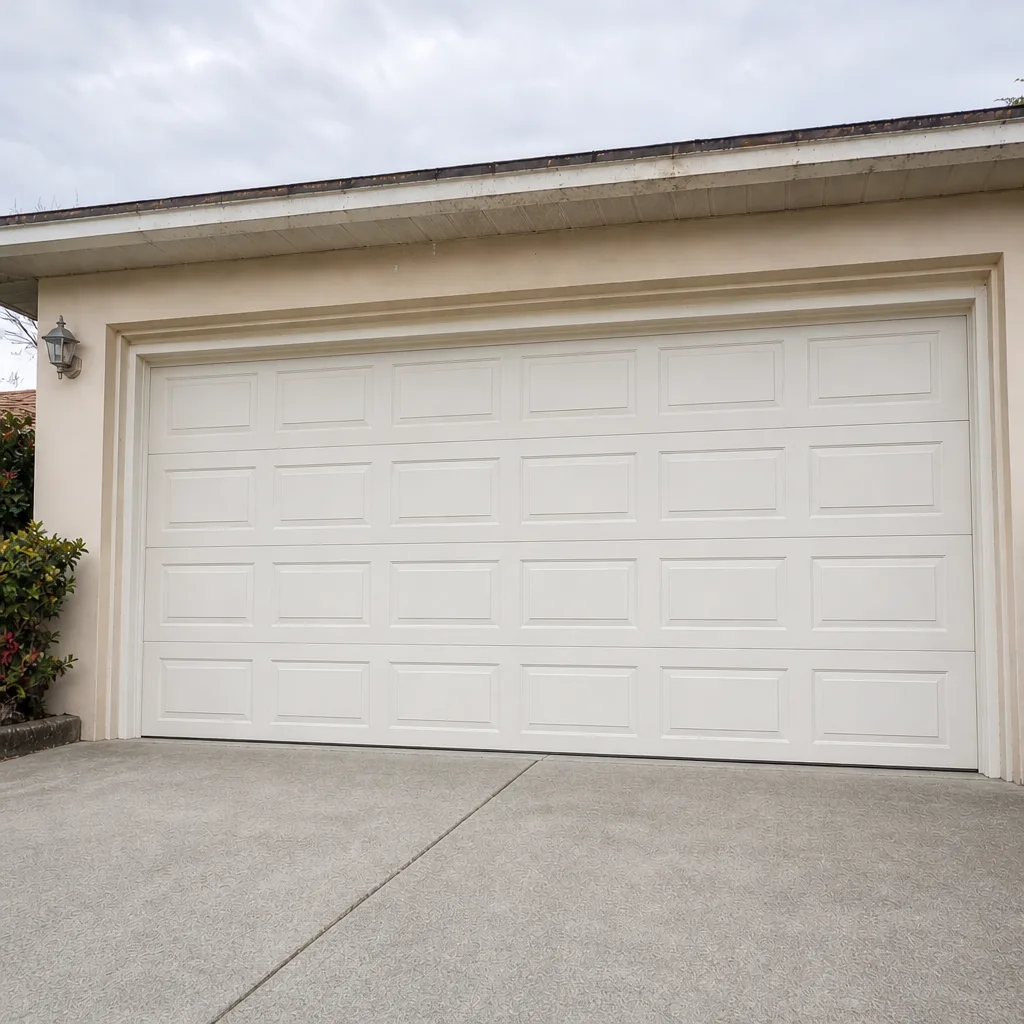 After
When to Call a Professional
Some tasks on this list are safe to handle yourself: wiping photo-eye lenses, testing the safety reverse, and keeping an eye on the bottom seal. Others need a trained technician. Call us when a spring is out of balance, a track is bent or misaligned, a panel is damaged, or the opener is straining or failing. Call when a post-storm inspection turns up something you can’t diagnose, or when you’re not sure whether your door meets current wind-load expectations. Call when a door won’t open or close, because that’s a security and access issue that shouldn’t wait. Springs are dangerous and openers are electronic, so it’s worth having a specialist look rather than risk a bigger repair.
Coral Springs Garage Door Repair Pros offers free estimates in Coral Springs. Call (855) 697-3734. We answer 24/7, with fast dispatch from 7am to 7pm, Sunday through Friday. Our technicians have up to 15 years of experience, and the price is quoted and agreed before any work starts, so the written estimate is the price. For an overview of everything we do, see the home page.
Frequently Asked Questions
You should aim to have a full pre-hurricane inspection completed by the end of May, before June 1. That gives you time to address any repairs or a replacement decision if the inspection turns up issues.
No. Garage door springs are under high tension and can cause serious injury, so they’re a job for a trained professional. Our spring repair service is the right call here.
Yes, because wind damage to tracks, anchors, and springs isn’t always visible. A post-storm inspection catches small shifts before they turn into bent panels or a failed spring. Call (855) 697-3734 for a free estimate.
Steady year-round heat in the garage speeds up circuit board degradation and ages the backup battery faster than in cooler climates, so electronics often fail sooner here. Testing the battery under load and keeping the door balanced takes load off the opener.
A properly rated, well-maintained door with secure tracks and intact panels is designed to handle the wind loads common here. The pre-season inspection in April and May is what confirms whether yours is up to it.
The local professionals we connect you with are licensed and insured as their state requires. Call (855) 697-3734 for an exact quote, and estimates are free.
The Bottom Line
Coral Springs garage doors live on a two-season calendar, and once you see it that way, the maintenance list gets simpler. Hurricane season from June through November is about wind load, track anchoring, and panel integrity, with an April and May prep window that puts you ahead of the first named storm. The dry season from December through March is for wood repairs, repainting exposed steel, recalibrating springs, and replacing the backup battery. Post-storm inspections matter even when the door looks fine, and year-round heat makes opener electronics and batteries the parts to watch. Springs are always a professional call. Get the seasons right and the door does the rest.
Call (855) 697-3734 for a free estimate. We answer 24/7, with fast dispatch from 7am to 7pm, Sunday through Friday. Same-day service is available for repair needs, and free estimates are always no-obligation. If your door failed outside dispatch hours, a call is booked into the next opening, Sunday through Friday, 7am to 7pm. Emergency service is available when a door won’t open or close and access or security is at stake.
Written by the team at Coral Springs Garage Door Repair Pros.