
Last updated November 22, 2026
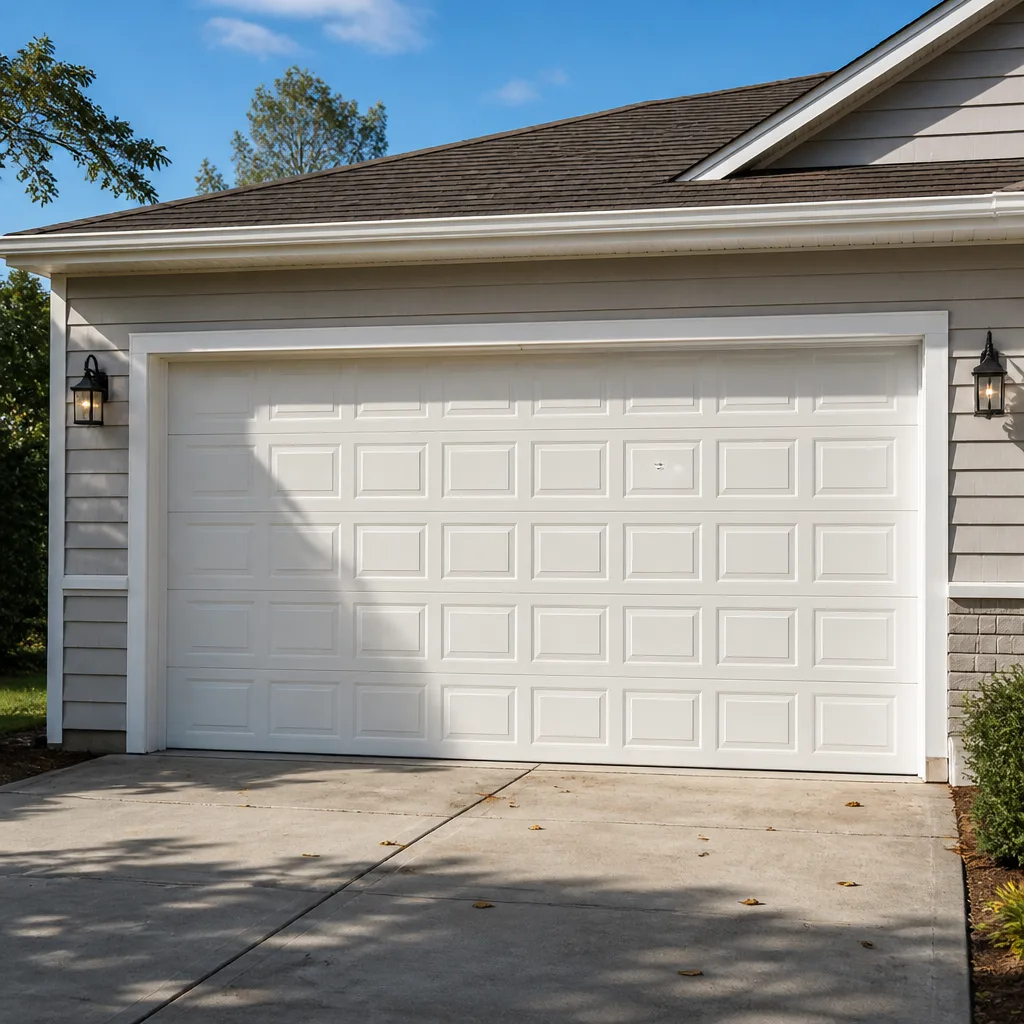 Raised-panel steel
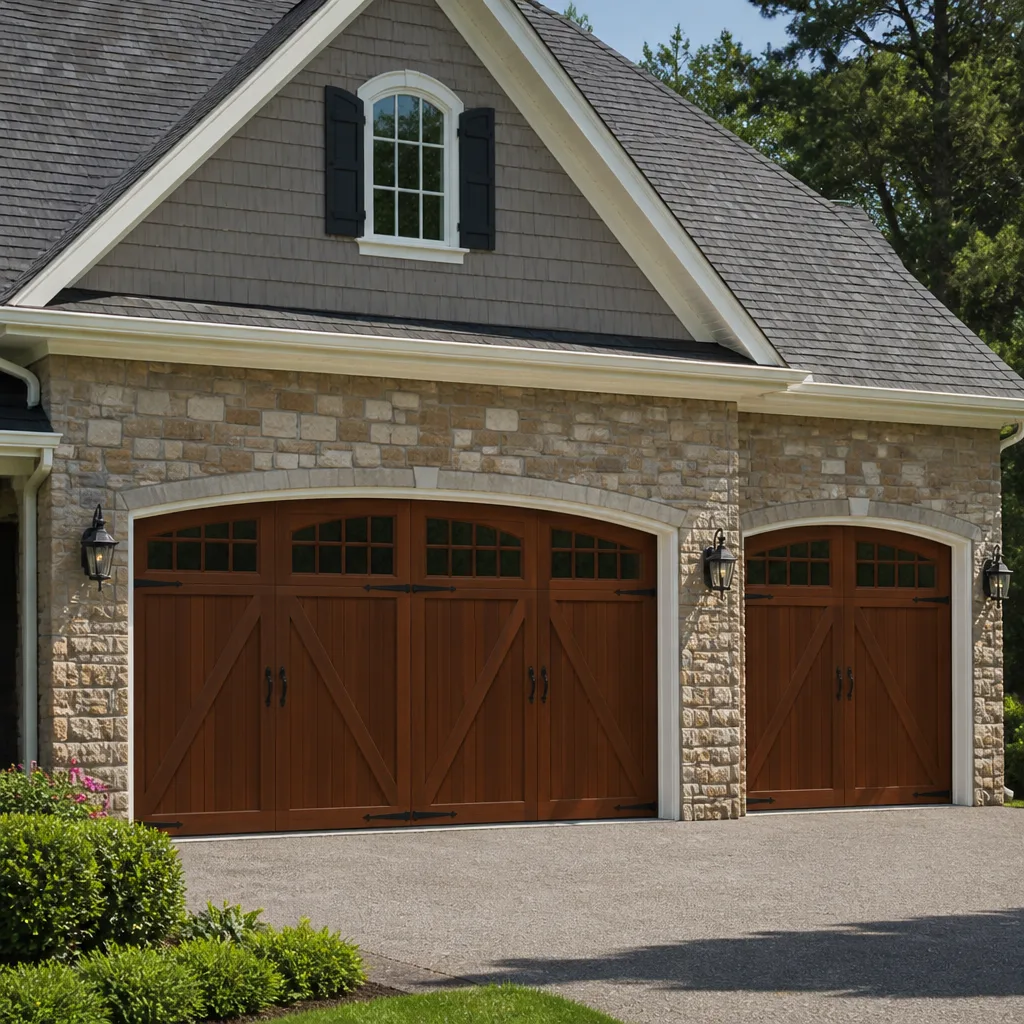 Carriage house
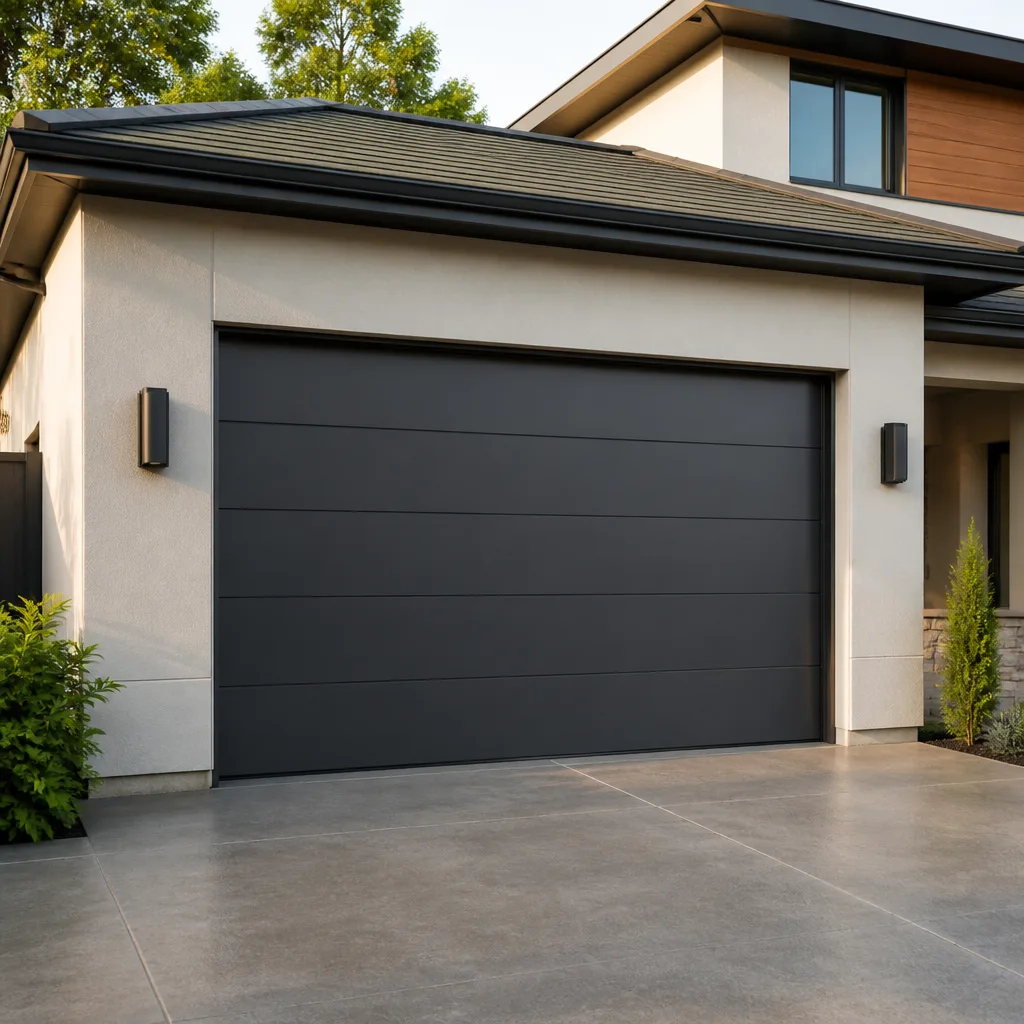 Modern flush
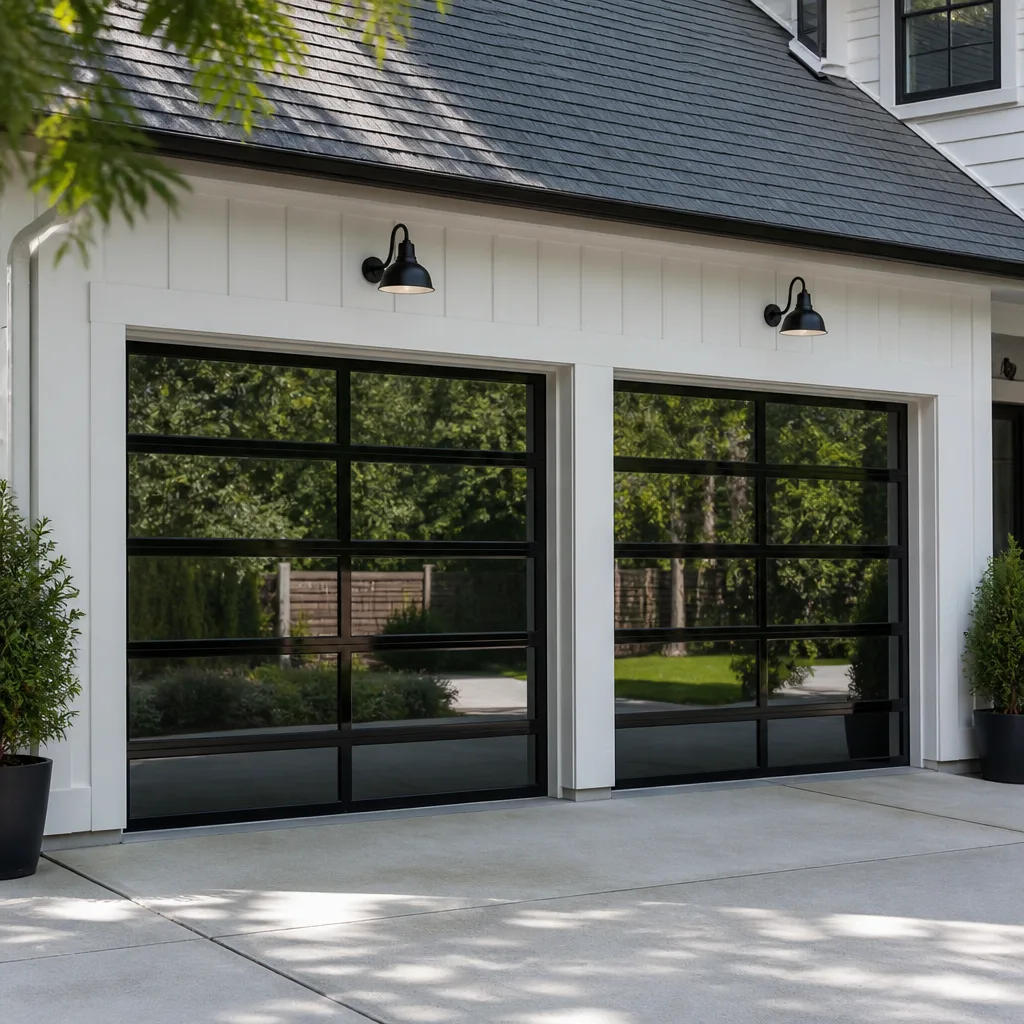 Full-view glass
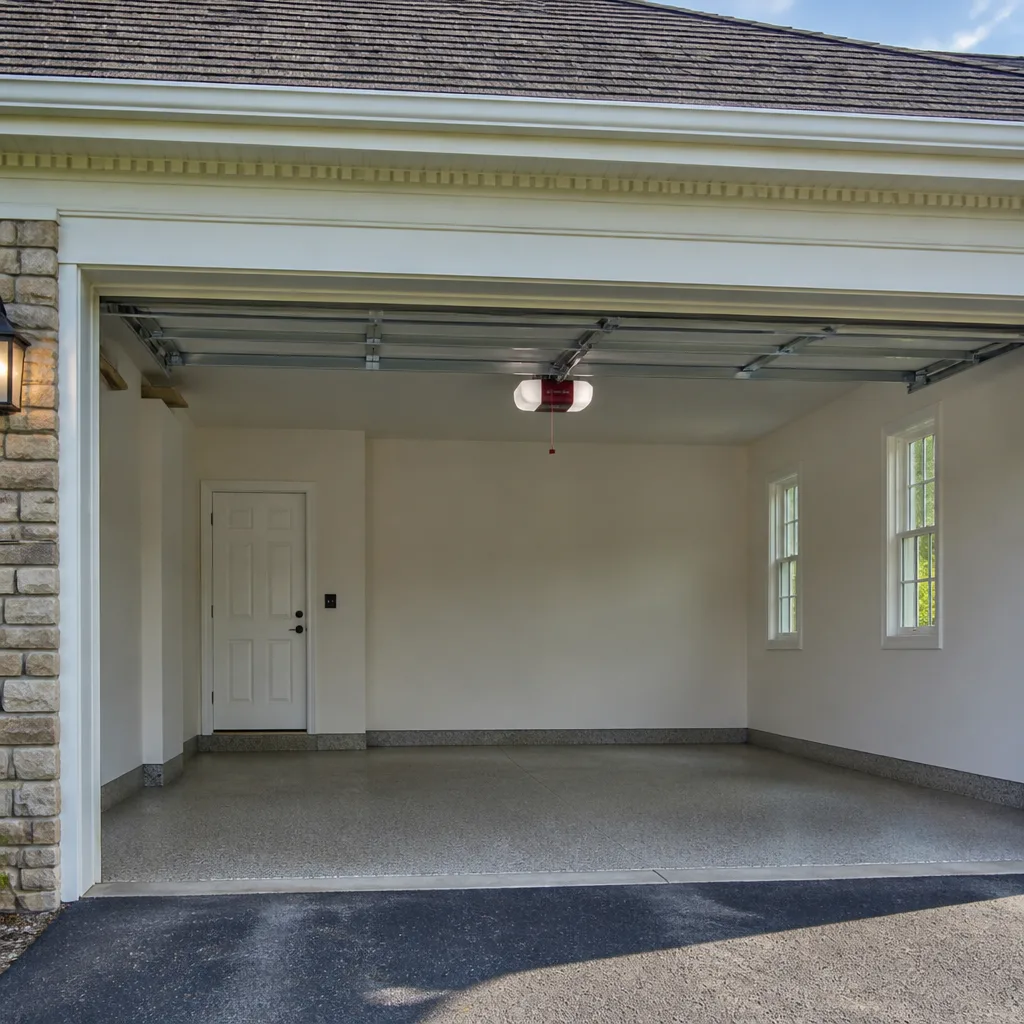 LiftMaster openers
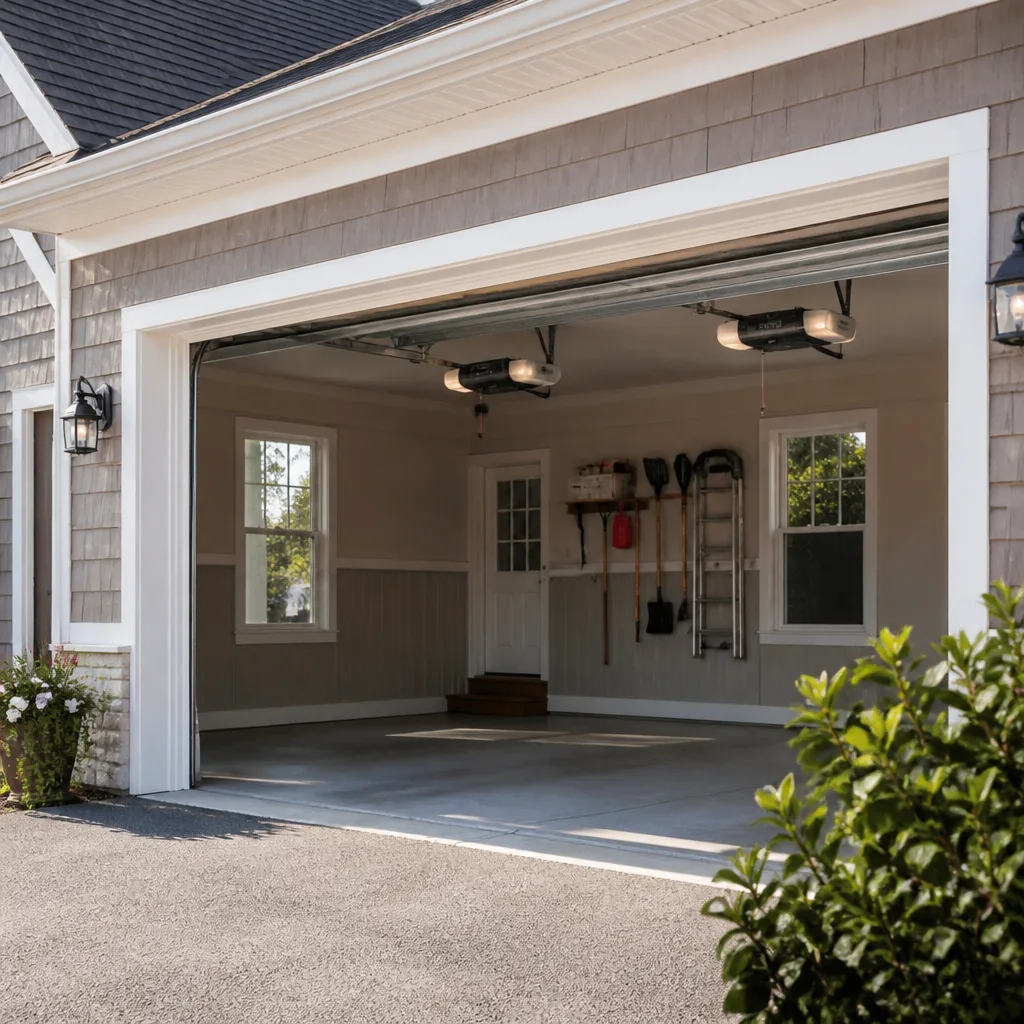 Chamberlain openers
Full 25-point door and opener safety check with every visit - springs, cables, rollers, tracks, and your LiftMaster or Chamberlain opener included
You get a price before we start. It does not change when the pro arrives.
Get your free estimateThe Complete Guide to Garage Doors in Coral Springs
Most garage door advice you’ll find online was written for a climate that doesn’t exist here. It talks about freeze-thaw cycles, road salt, and snow load – none of which apply to a home in Coral Springs. What does apply is year-round humidity, heavy summer rain, and a hurricane season that puts real stress on every hinge, spring, and panel on your door. That gap matters more than people realize: the conditions here can shorten the life of certain components well below what a manufacturer’s generic warranty assumes. This guide covers how a garage door actually behaves in Coral Springs, what to expect from each material, when a repair is the honest answer, and when replacement is the smarter call. We wrote it for homeowners who want straight information before they pick up the phone.
Quick Answer
A garage door in Coral Springs needs more attention than the national average because humidity and salt-laden air accelerate corrosion on springs, cables, and tracks, and Broward County’s wind-load rules make impact-rated doors and reinforced hardware a practical necessity rather than an upgrade. Most doors here last 10 to 15 years for steel, with aluminum and wood-composite options varying around that range depending on maintenance. Repair is usually the right call for springs, openers, and individual panels; full replacement makes sense when the structure, insulation, or wind rating can no longer be brought up to standard.
Styles & brands we work with
- Raised-panel steel
- Carriage house
- Modern flush
- Full-view glass
- LiftMaster openers
- Chamberlain openers
Table of Contents
- Why Garage Doors Age Differently in Coral Springs
- How Long Does Each Door Material Last Here?
- Hurricane Code and Wind-Load Ratings in Broward County
- Why Brand-Agnostic Diagnosis Matters So Much Here
- Repair or Replace? A Decision Framework
- The Four Components That Fail Most Often
- A Maintenance Routine That Fits This Climate
- Common Mistakes to Avoid
Why Garage Doors Age Differently in Coral Springs
Coral Springs sits roughly 30 miles from the Atlantic, and that distance is close enough that salt-laden air moves inland with the prevailing breeze. The ocean doesn’t have to be in your backyard to affect your door. Salt particles carried on humid air settle on metal surfaces – springs, cables, hinges, track rollers – and once moisture joins them, corrosion starts. On unprotected steel components, that process moves faster than it does in an inland city with the same temperatures.
The humidity does its own damage. In a dry climate, a garage stays relatively stable. Here, the air inside a garage can climb above 80 percent relative humidity for weeks at a time in summer, and any metal that isn’t galvanized, powder-coated, or oiled will start to show surface rust. Springs are the most vulnerable piece because they’re under constant tension and the wire diameter is small – a little corrosion becomes a fatigue point quickly.
We’ve seen this play out across Coral Springs neighborhoods like Wyndham Lakes, Heron Bay, and the older sections near Coral Springs Drive, where doors installed around the same time show very different wear depending on how much shade, ventilation, and upkeep each garage gets. A door on a west-facing garage with poor cross-ventilation will rust noticeably faster than one under a covered trellis. The climate sets the baseline; the microclimate of your property sets the pace.
Rain adds another wrinkle. South Florida’s summer storms drive water sideways, and a worn bottom seal or a slightly misaligned track lets that water in. Once the interior of the door panel stays damp, wood composites swell, steel panels rust from the inside out, and the bottom section – which takes the most abuse – starts to fail first. None of this happens overnight, which is why a yearly inspection catches problems while they’re still cheap to fix.
If you want a baseline check on springs before the next storm season, our garage door spring repair team can identify corrosion and fatigue before a spring snaps. A quick look costs nothing and saves a lot of grief.
How Long Does Each Door Material Last Here?
National lifespan estimates are optimistic in a coastal South Florida climate. Here’s how the main options actually hold up in Coral Springs, based on what we see in the field:
| Material | Typical lifespan in Coral Springs | What shortens it here | Maintenance that helps |
|---|---|---|---|
| Galvanized steel | 10-15 years | Rust at bottom panel and hinges | Annual wash, touch-up paint, lubricated hinges |
| Aluminum | 12-18 years | Dents from impacts, oxidation on bare edges | Rinse salt film quarterly, check track alignment |
| Wood composite | 8-12 years | Moisture swelling, mold on shaded panels | Seal every 2-3 years, keep bottom seal intact |
| Insulated steel with vinyl backer | 12-18 years | Rust at seams, backer cracking | Wash exterior, inspect interior backer for cracks |
Steel dominates in Coral Springs because it’s affordable and holds up well if you keep the paint film intact. The paint is the barrier; once it chips, rust starts at that spot and creeps. Aluminum resists rust better than steel but dents more easily, and the hinge points can oxidize into a chalky white film that seizes rollers over time. Wood composite looks great and insulates well but hates humidity – a swollen panel that no longer slides cleanly is a common call we get after an especially wet summer.
Insulated doors are worth a look for Coral Springs homes with an attached garage, because the same insulation that keeps heat out in July keeps cool air in and reduces the load on your home’s HVAC. The trade-off is that the vinyl or polyurethane backer can crack in the heat, so inspect the interior panels during your yearly check.
Whatever the material, one rule holds: the door on the sun-facing side of the house ages faster. If your garage faces west or south, plan on slightly more maintenance than a neighbor whose garage faces east. We work with Clopay and Amarr doors frequently, and both make coastal-rated finishes that hold up better than standard paint systems – worth asking about if you’re replacing.
Hurricane Code and Wind-Load Ratings in Broward County
Garage doors in Broward County must meet Florida Building Code wind-load requirements, and this is not optional. A garage door is the largest opening in a home’s envelope; when wind pressure gets inside a garage, the roof can lift. That’s why impact-rated doors and reinforced hardware exist, and why you can’t simply swap a standard door for a bigger one without checking the rating. The specific wind-speed requirement depends on the home’s location, construction, and exposure category – your city’s building department or a licensed contractor is the right source for the exact number that applies to your house, so ask before you buy.
What this means in practice for a Coral Springs homeowner:
- Replacement doors must carry a wind-load rating appropriate to your home, and the rating needs to be documented on the label and in the permit file.
- Reinforcement matters as much as the door itself – heavier hinges, center stiles, and rated tracks come with a properly rated assembly.
- Opener compatibility can change when you go to a rated door; a heavier door may need a stronger opener or a different spring setup.
- An older door installed before current standards may still function, but its wind rating is what it is. If the door is insured or financed, an upgrade may be required at some point.
In our experience across Coral Springs, the biggest mistake is assuming a like-for-like swap is automatic. A new door that doesn’t match the home’s required rating is a real problem at inspection, at resale, and during a storm. Get the rating in writing from the installer before anything is ordered. If your opener needs replacement alongside a new door, our garage door opener repair page covers how compatibility is checked for LiftMaster, Chamberlain, Genie, and other common brands.
We work on doors and openers that were installed years before current rules, and we can tell you plainly whether a repair keeps you compliant or whether replacement with a rated door is the honest answer. That’s a conversation worth having before storm season, not during it.
Why Brand-Agnostic Diagnosis Matters So Much Here
Coral Springs was built out over several decades, and homes here carry a wide mix of brands. A house built in the 1990s might have a Genie opener and a steel door from one manufacturer; the neighbor’s house, built a decade later, might have a Chamberlain opener with a completely different door system. When you buy a home, you inherit whatever the previous owner installed, and the original installer is often long gone or no longer servicing the area. That’s exactly why a brand-agnostic approach matters here more than in a market where most homes were built at the same time by the same builder.
A brand-specific company will tell you to replace the whole system when the brand it carries doesn’t match. A technician who works across brands diagnoses the actual failure and only recommends parts that fit what’s already on your door.
When you’re looking for someone to work on your door, ask three questions before you book:
- Do you service my brand and door type? A yes should come with specifics – opener model, door manufacturer, and spring type.
- Will you repair, or will you push replacement? A good technician gives you the repair option first if the door is structurally sound.
- Is the diagnosis included in the estimate? The written estimate should state the price before any work starts, and the estimate itself should be free.
In our experience, the mix of brands in Coral Springs makes brand-agnostic service especially valuable in older neighborhoods near the center of the city, where builders used several different suppliers and original paperwork is often gone. You don’t need to know what you have; we can identify it. That’s a core part of how we work – spring, opener, or door, we handle it all, so you’re not chasing down three separate contractors.
Repair or Replace? A Decision Framework
The honest answer depends on four things: the door’s structure, its wind rating, the cost of the repair relative to replacement, and how much life the door has left. A common misconception is that any door over 10 years old needs replacing. That’s not true. Many doors that age are still structurally sound and just need a spring, an opener, or a panel.
Here’s how we think about it:
- Check the structure first. Rusted-through panels, a bent track that can’t be realigned, or a sagging header indicate the door is at the end of its life. Individual panel damage or a single failed component means repair.
- Confirm the rating situation. If the door can’t be brought up to the required wind-load rating and it matters for your home, replacement becomes the right call even if the door still works.
- Compare repair cost to replacement cost. If the repair is a spring or opener, it’s almost always worth it. If the repair involves multiple panels plus tracks plus springs, get a replacement quote alongside it and compare.
- Look at the insulation. A hot garage in Coral Springs pushes heat into an attached home. If your door has no insulation and your garage shares a wall with living space, that’s a replacement argument independent of any failure.
- Think about the next 5 years. A repair that buys three years at modest cost is usually the better move. A repair that costs close to half a new door when the door is already 15 years old is worth a second look.
That said, springs, openers, and individual panels are worth repairing almost every time. A door that opens and closes smoothly but has a fatigued spring doesn’t need to be replaced – it needs a new spring. A door that sags, has a rusted-through base panel, or has a track that’s bent beyond realignment is a different story.
The phrase that guides our work is repair when possible, replace only when necessary. When we quote a garage door repair, the goal is to keep the door you already own working safely – not to sell you a new one.
The Four Components That Fail Most Often
Garage door failures aren’t random. Four components account for almost everything we see in Coral Springs: springs, cables, openers, and tracks. Understanding each one helps you know what you’re hearing and what to ask about.
1. Torsion springs
Springs do the heavy lifting. A torsion spring is under enough tension to cause serious injury, which is why we don’t give step-by-step DIY instructions for spring work and strongly recommend against attempting it. The spring itself usually fails from metal fatigue, and in a humid Coral Springs climate, corrosion speeds that fatigue up. A door that slams down, feels unusually heavy, or won’t rise more than a foot before stopping usually has a broken spring. A spring replacement is the most common repair we do, and it’s often a same-day job because we carry what’s needed to fit the door.
2. Cables
Cables run along the sides of the door and keep the panels tracking evenly. They fray and corrode with exposure to humidity and salt air, and a frayed cable is a failure waiting to happen. If a cable snaps, the door can drop unevenly and damage panels. Check for fraying or rust streaks at the drum as part of your yearly inspection.
3. Openers
Openers fail from age, motor strain, and lightning-related power surges during summer storms. A door that runs but reverses, opens a few feet and stops, or makes grinding sounds may have an opener problem rather than a door problem. We work across the major brands, including Chamberlain and Genie, along with LiftMaster, Craftsman, Raynor, and Wayne Dalton, so we can diagnose the opener without guessing.
4. Tracks and rollers
Dents, misalignment, and worn rollers cause the door to drag or bind. Track damage is often the result of a car bumping the door, but humidity-driven rust on the rollers also plays a role. A door that shudders or rattles as it moves is asking for a roller or track check.
If your door won’t open or close and the house is exposed, that’s an urgent situation. We offer emergency response for exactly this – a door that won’t close leaves a home unsecured. When you call, we’ll get a technician to you through fast dispatch from 7am to 7pm, Sunday through Friday, and will confirm availability when we speak.
A Maintenance Routine That Fits This Climate
A little upkeep goes a long way in Coral Springs. Here’s a routine that takes about 30 minutes once a season and addresses the failure modes this climate creates:
- Wash the exterior quarterly. Rinse the door with a hose and a mild soap to remove salt film and dust. Don’t power-wash – it can force water behind panels.
- Lubricate hinges, rollers, and springs. Use a garage door lubricant, not WD-40 (which is a cleaner, not a lubricant). A dry lubricant works well on rollers; a light grease on the torsion spring and hinges lasts longer.
- Check the bottom seal. A worn or cracked bottom seal lets water and pests in, and the bottom section of the door is the one that rusts first.
- Look for rust spots and touch them up. A dab of matching paint on a rust spot stops it from spreading.
- Test the auto-reverse and the photo eye. Place a small object in the door’s path; the door should reverse immediately. The photo-eye sensors should be clean and aligned.
- Listen before you leave. A door that sounds different – grinding, rattling, or slamming – is telling you something. Get it checked rather than waiting for a failure.
- Schedule a professional check before storm season. Late spring is the right time to verify springs, cables, and track alignment before the summer storms arrive.
If you’re not comfortable on a ladder or around the spring assembly, a yearly professional inspection covers the same ground safely. Our technicians have up to 15 years of experience and can check the whole system, including the wind-rating label, in a single visit.
Common Mistakes to Avoid
- Ignoring a slow spring. A door that feels heavier than it used to is usually telling you the spring is fatigued. Waiting until it snaps means a door that won’t close and a call from a house that’s exposed overnight. Get it checked when the door starts to feel different.
- Painting over rust. Paint hides rust rather than stopping it, and on a Coral Springs door the rust continues under the film until the panel fails. Sand, treat, and prime before painting – or replace the panel.
- Replacing an opener when the real problem is the door. An opener that groans or reverses can be responding to a binding door, a bad spring, or a misaligned track. Before spending on an opener, have the whole system diagnosed.
- Hiring a general handyman for spring work. Springs, cables, and wind-rated hardware are specialty items. A generalist may not know the door’s rating requirements or the correct spring size for your door’s weight. Go with a garage-door-only technician.
- Skipping the wind-rating label on replacement. A new door that doesn’t carry the required rating creates problems at inspection and resale. Ask to see the label and get the number in writing.
- Letting the door sit broken until “later”. Every day a door sits open or misaligned, the track and panels are under uneven stress. Small repairs don’t get cheaper by waiting.
- Assuming the brand has to match the installer. You don’t need the original installer to service your brand. A brand-agnostic technician can work on most systems, which is a real advantage in a market like Coral Springs with a wide mix of equipment.
See the difference
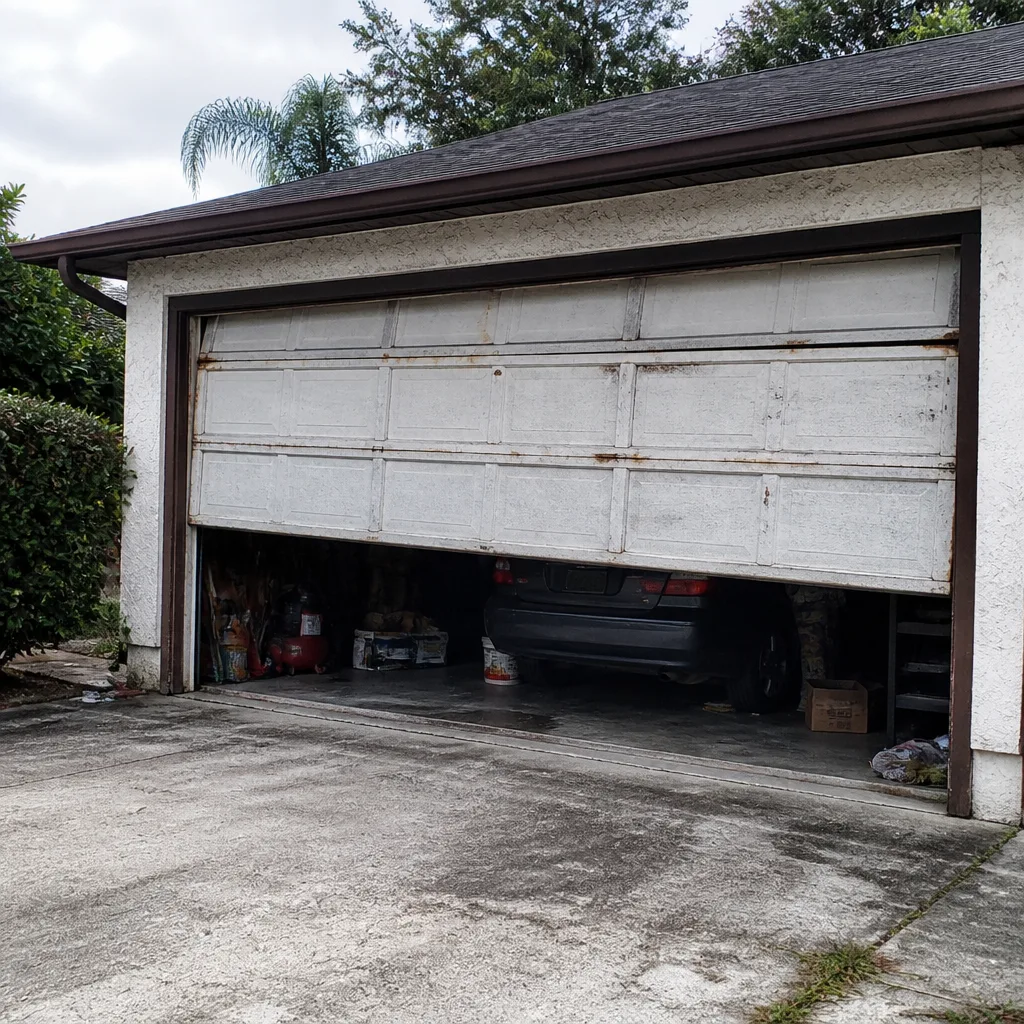 Before
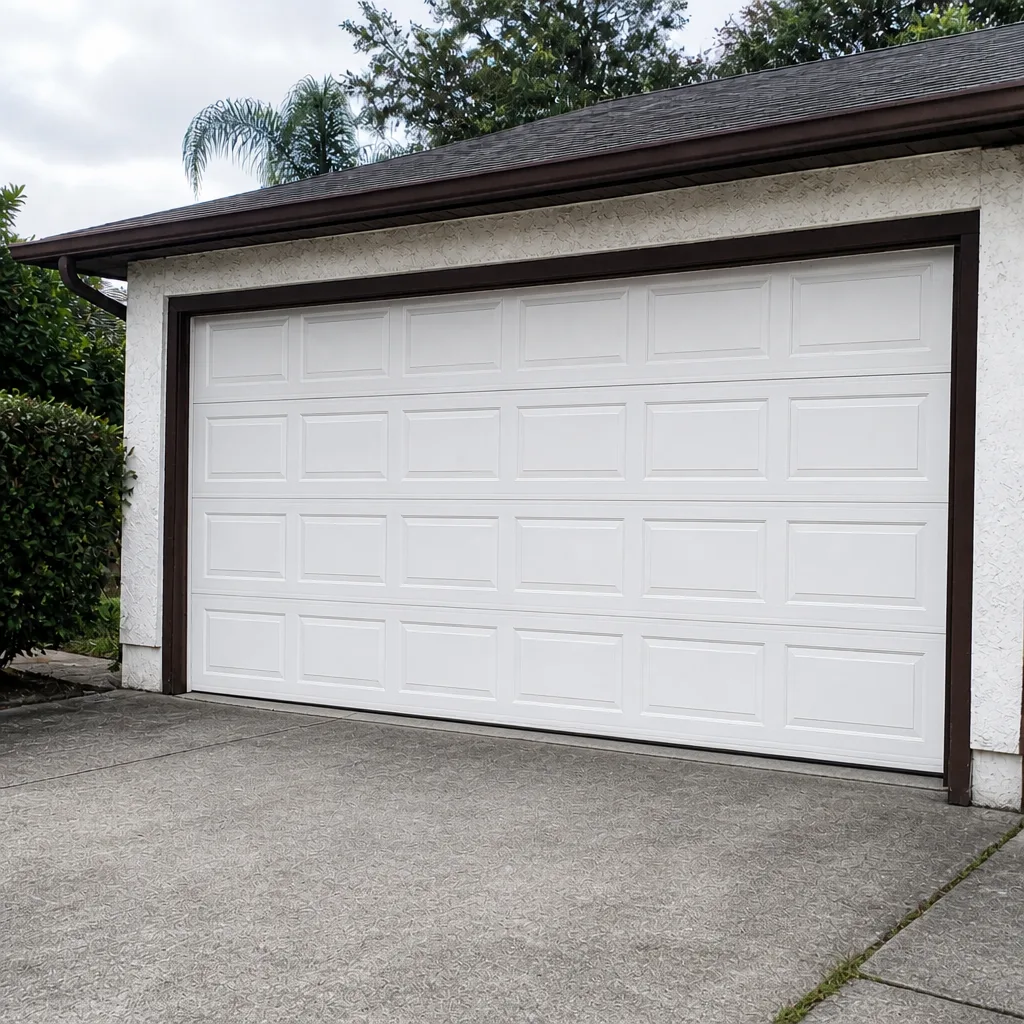 After
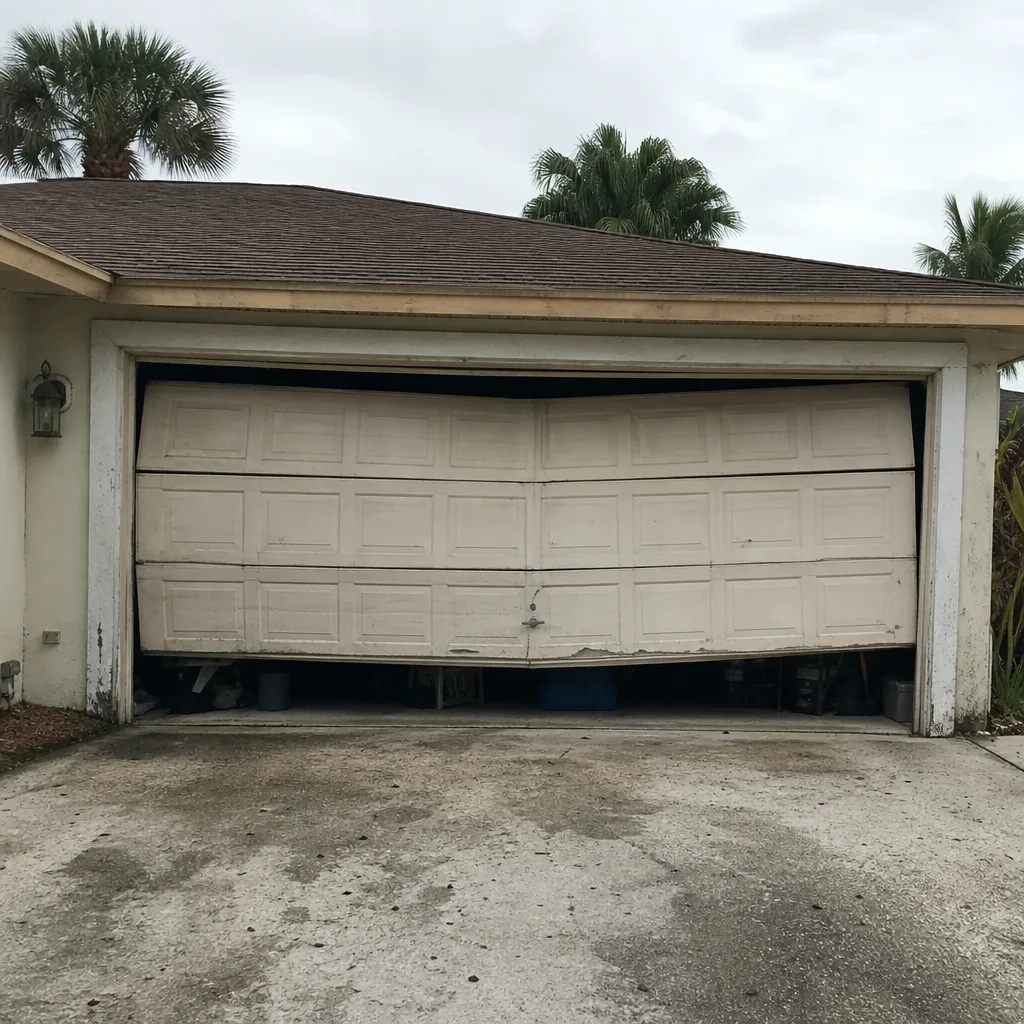 Before
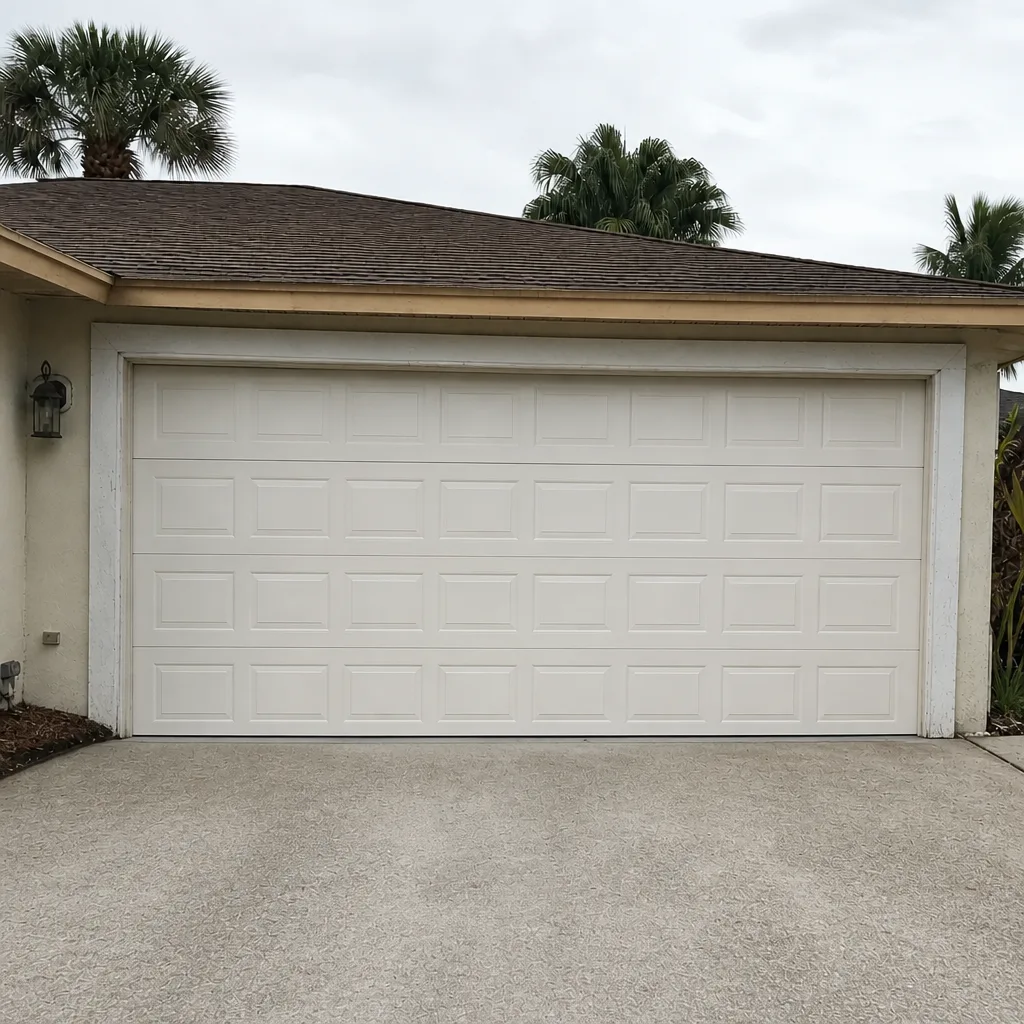 After
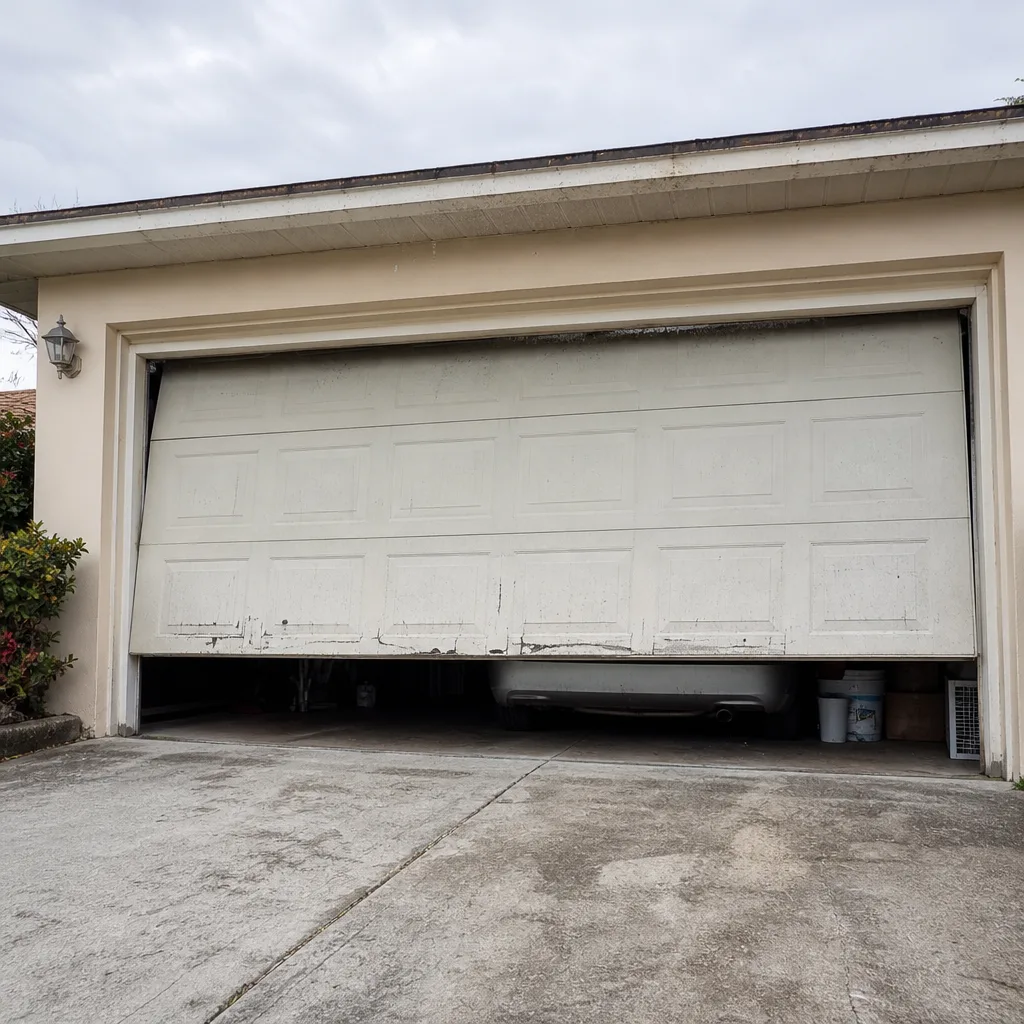 Before
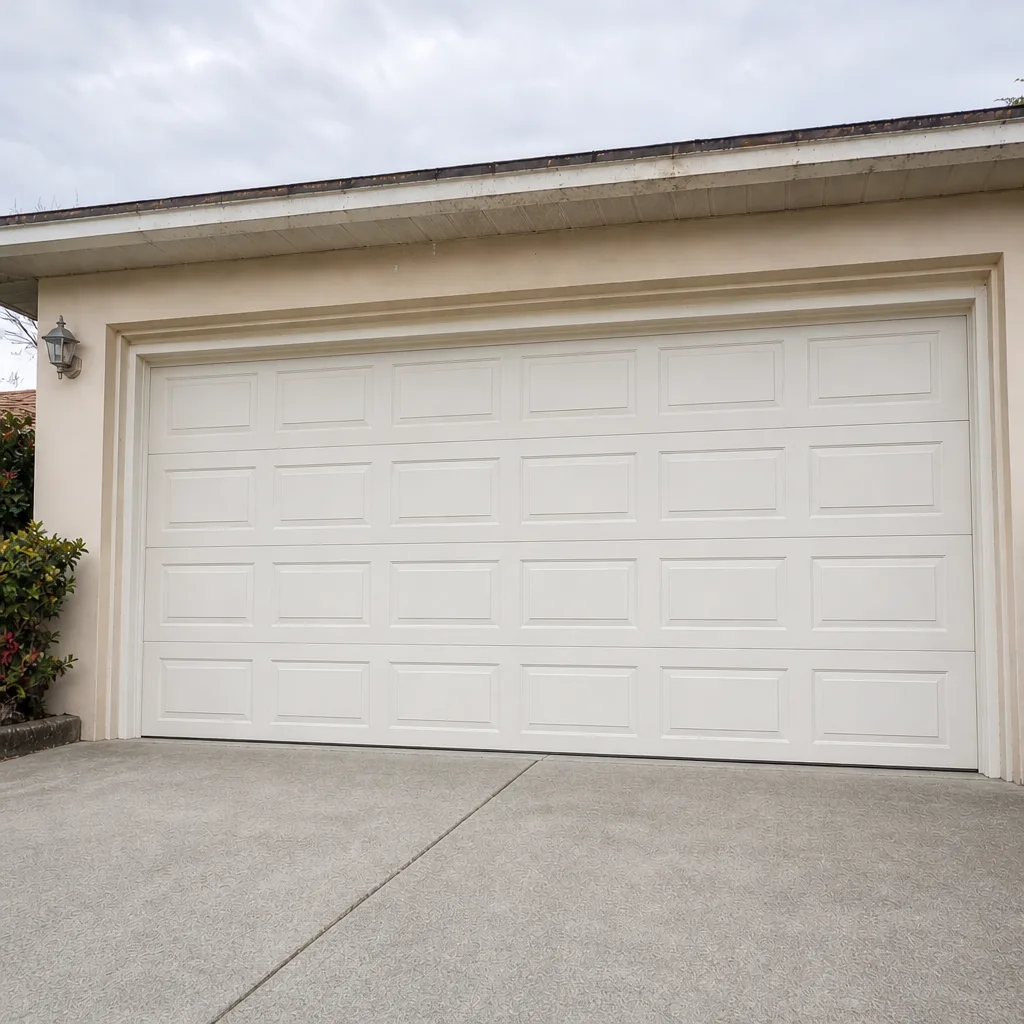 After
When to Call a Professional
Some jobs are DIY-friendly – cleaning a photo-eye sensor, lubricating hinges, replacing a worn bottom seal. Most are not. Call a professional when: a spring has broken or the door feels heavy; a cable is frayed, kinked, or visibly rusted; the door won’t open or close and the house is exposed; the door slams or reverses unexpectedly; you see track damage from an impact; or the opener runs but the door doesn’t respond. Springs and cables carry enough stored force to cause serious injury, and a wind-rated door that’s serviced incorrectly can lose its rating. Coral Springs Garage Door Repair Pros offers free estimates in Coral Springs – call (855) 697-3734. We answer 24/7. Fast dispatch from 7am to 7pm, Sunday through Friday.
For a wider look at what we do, start with Coral Springs Garage Door Repair Pros.
Frequently Asked Questions
Most steel doors in Coral Springs last 10 to 15 years, aluminum can reach 15 to 18 with good upkeep, and wood composite typically runs 8 to 12. The range is wide because humidity and salt air accelerate corrosion on the metal parts, and a door that’s regularly washed and lubricated will stay in the upper half of that range. Insulation, shade, and sun exposure also shift the timeline. Call (855) 697-3734 for a free estimate if you’re unsure how much life your door has left.
Springs here break faster mainly because of humidity and salt air. Corrosion on the spring wire creates tiny points where the metal fatigues, and the constant tension does the rest. Coral Springs’s warm, humid climate keeps the garage above the moisture level where that corrosion starts for much of the year. Keeping the spring lightly lubricated helps, but it doesn’t reverse an existing fatigue problem.
Yes. Broward County garages must meet Florida Building Code wind-load requirements, and replacement doors need a documented rating appropriate to the home. The exact wind-speed figure depends on your home’s location, construction, and exposure category, so ask the city’s building department or a licensed contractor before you order. We can check the rating label on your current door and tell you what’s on file. Call (855) 697-3734 for a free estimate.
Yes – that’s how most of our work starts. We service eight major brands including LiftMaster, Chamberlain, Genie, Clopay, Amarr, Wayne Dalton, Craftsman, and Raynor, and we work on whatever system is already on your home. You don’t need the original installer’s paperwork. We identify the system on-site and give you a written estimate before any work starts.
No. The written estimate sets the price, and we agree on it before any work starts. If the inspection reveals something different from what was described on the phone – a secondary failure, hidden track damage, or a wind-rating issue – we discuss it with you and adjust the quote before doing anything, not after. Estimates are free. Call (855) 697-3734 for yours.
Yes. We offer emergency response for doors that won’t open or close. We answer 24/7, and dispatch runs from 7am to 7pm, Sunday through Friday. A call outside those hours gets booked into the next opening. If your door is stuck open and the house is exposed, call (855) 697-3734 and we’ll get you on the schedule.
The Bottom Line
Garage doors in Coral Springs live in a tougher environment than the generic guides assume. Humidity, salt-laden air, and hurricane-season wind requirements all push the timeline for maintenance and replacement. Steel doors typically last 10 to 15 years, springs need attention sooner than most homeowners expect, and a wind-load rating isn’t optional if you’re replacing a door. The good news is that repair is almost always the answer for a failed spring, opener, or single panel – replacement is only the honest call when the structure, insulation, or rating can’t be fixed. Get a written estimate before any work starts, and keep an eye on your springs, cables, and bottom seal through the summer. A repair-first, brand-agnostic approach keeps you out of unnecessary replacement and back up and running faster.
Need help with your door? Call (855) 697-3734 for a free estimate. We answer 24/7. Fast dispatch from 7am to 7pm, Sunday through Friday.
Written by the team at Coral Springs Garage Door Repair Pros.