
Last updated November 22, 2026
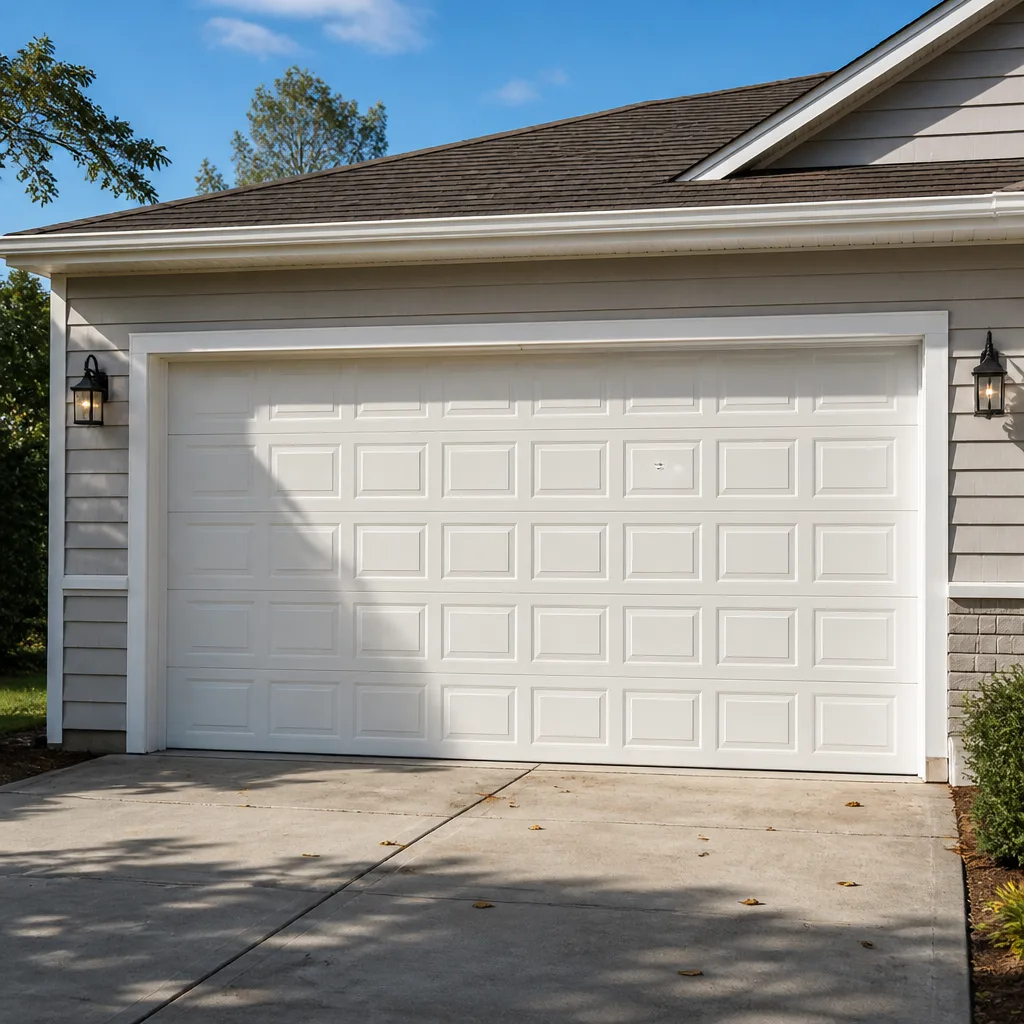 Raised-panel steel
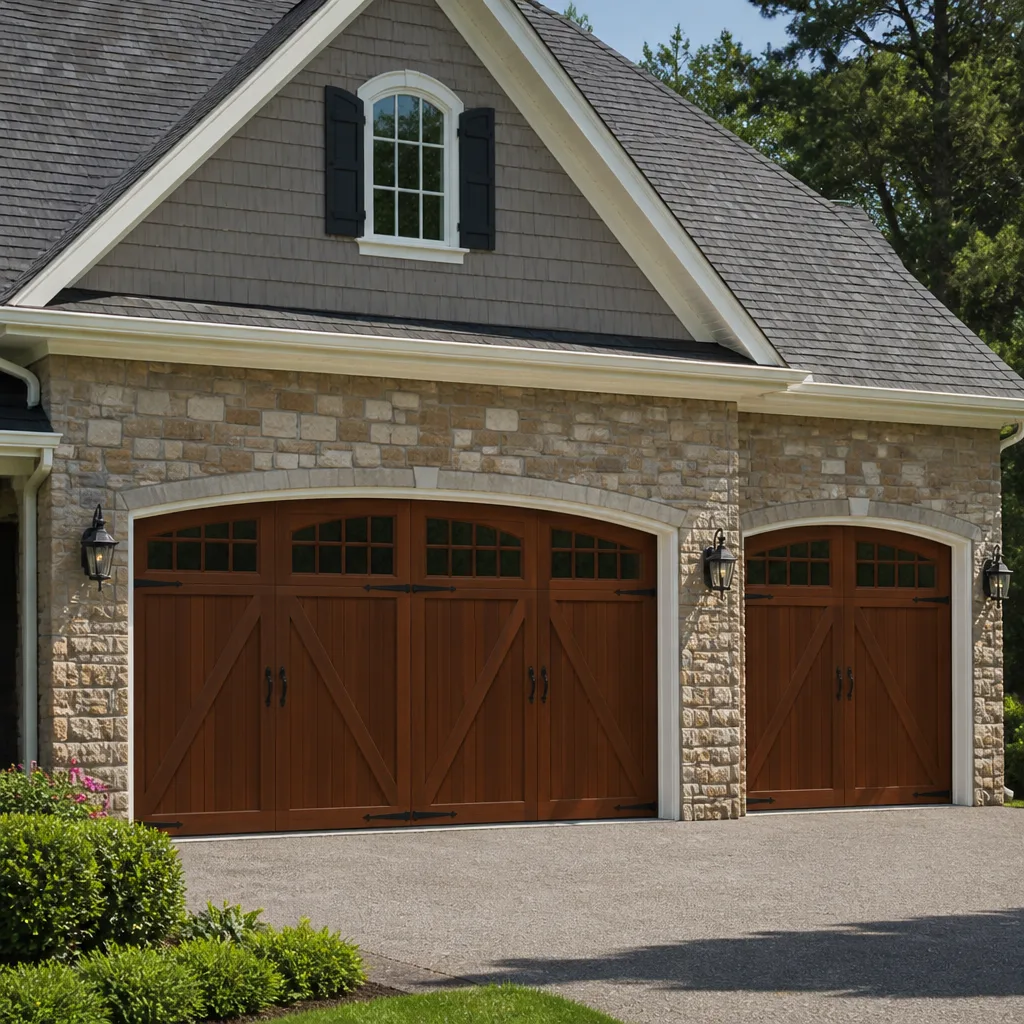 Carriage house
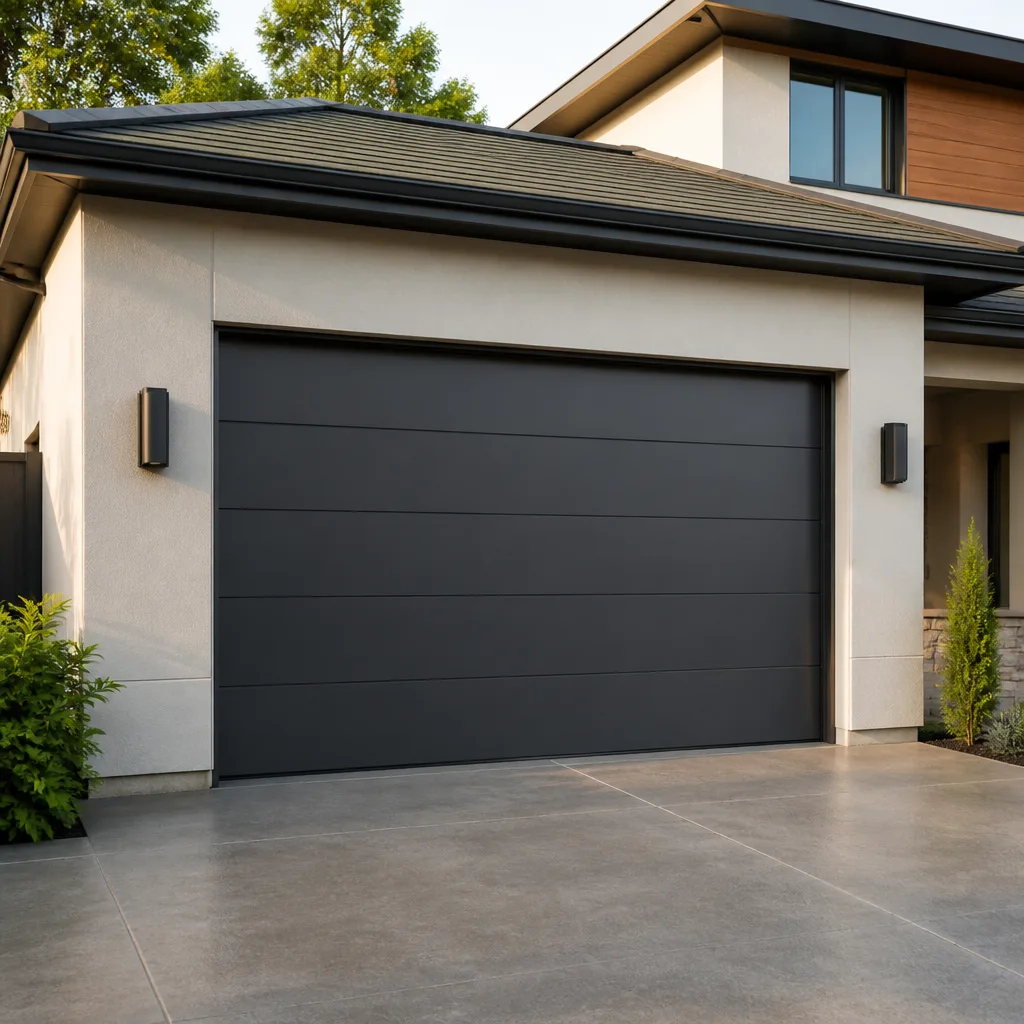 Modern flush
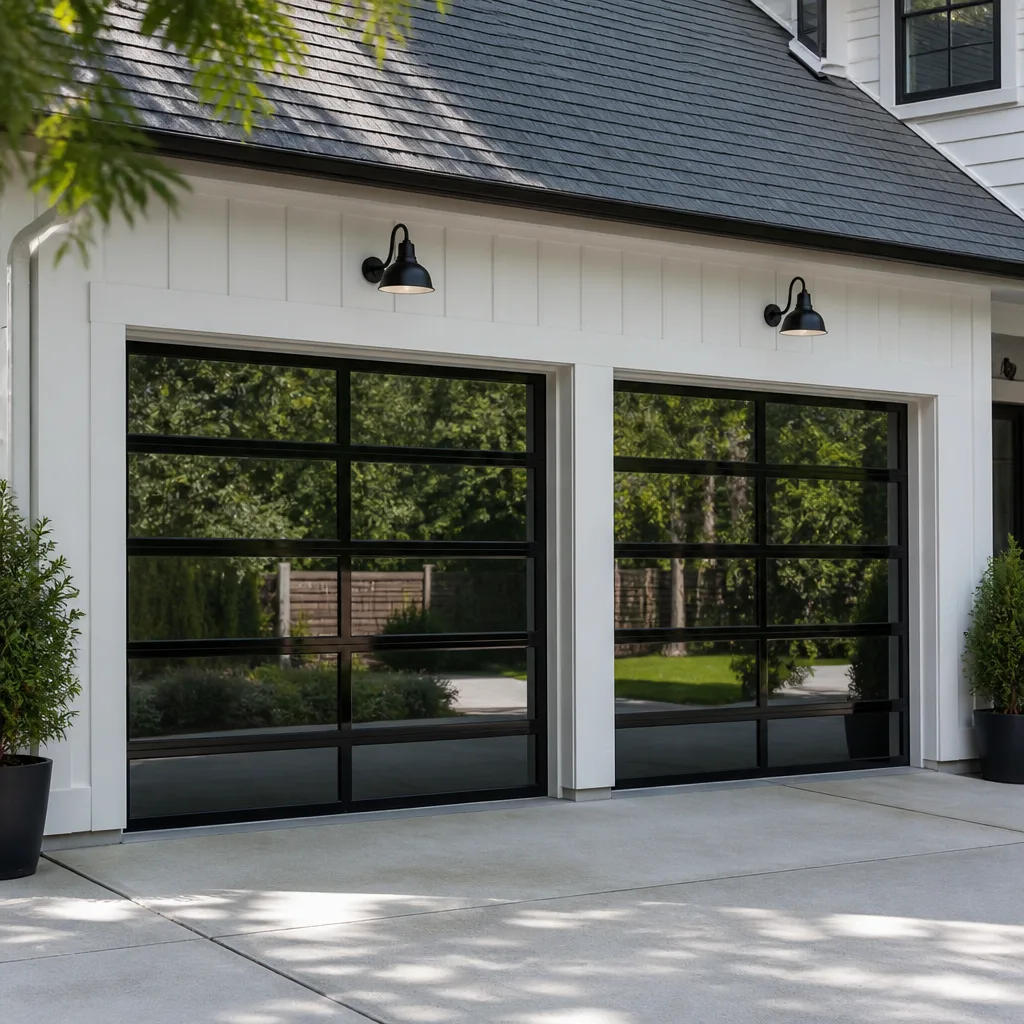 Full-view glass
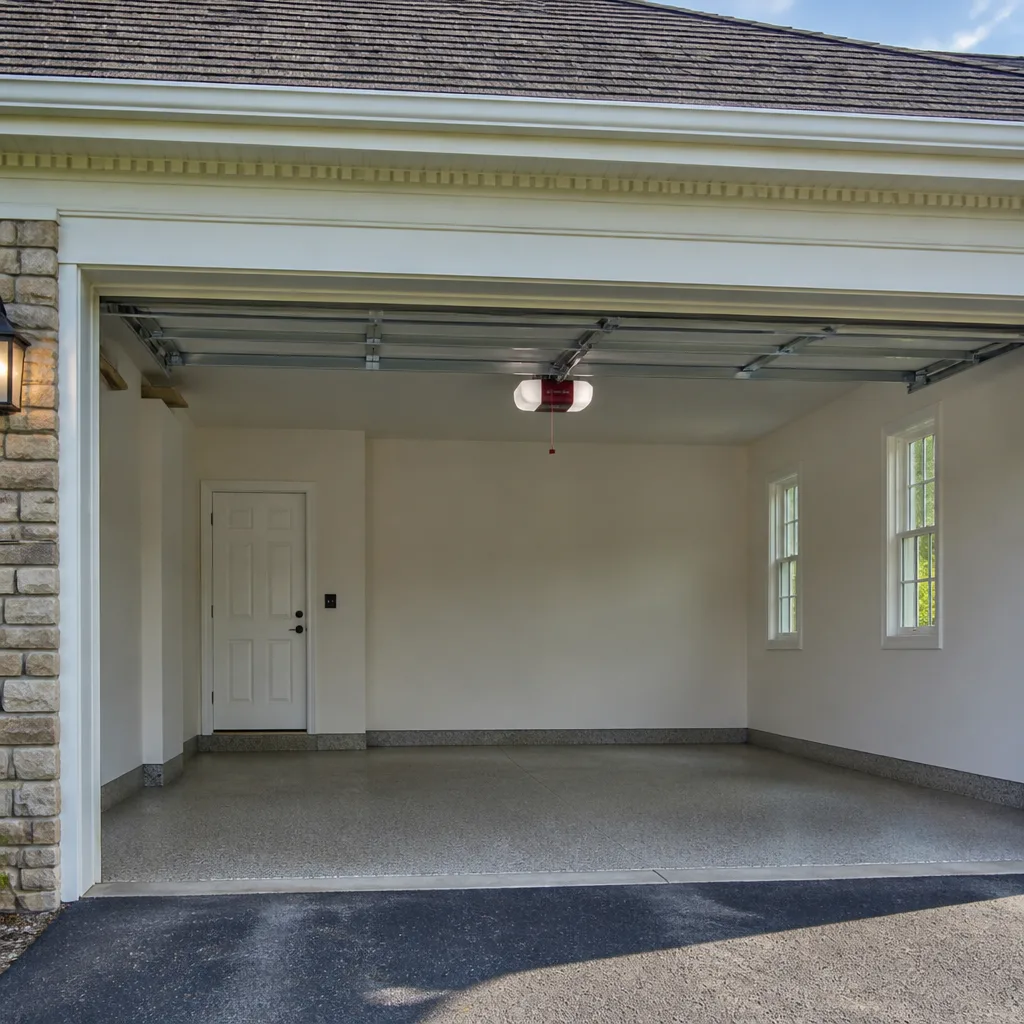 LiftMaster openers
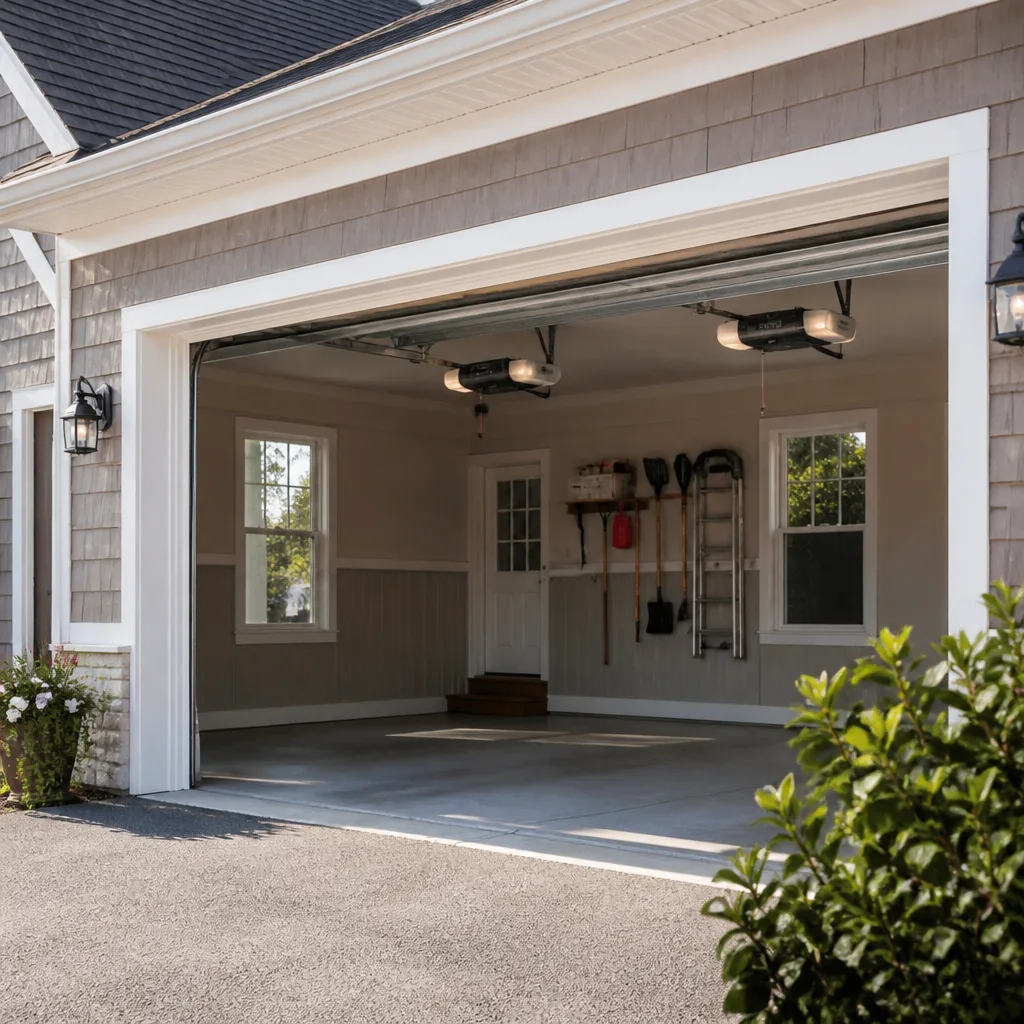 Chamberlain openers
Full 25-point door and opener safety check with every visit - springs, cables, rollers, tracks, and your LiftMaster or Chamberlain opener included
You get a price before we start. It does not change when the pro arrives.
Get your free estimateDIY vs Professional Garage Door: The Coral Springs Homeowner’s Decision Guide
Most DIY garage door guides start with the same warning: springs are dangerous, call a pro. That’s true, but it’s also incomplete. The real dividing line isn’t skill. It’s the difference between tasks that carry genuine injury risk or legal exposure and tasks that are perfectly reasonable for a homeowner to handle in an afternoon. Florida adds a layer most guides skip entirely: some garage door work done without a licensed contractor can complicate how a failure is treated during a hurricane insurance claim. This guide breaks the job down task by task, so you know exactly where the DIY line sits in Coral Springs.
Styles & brands we work with
- Raised-panel steel
- Carriage house
- Modern flush
- Full-view glass
- LiftMaster openers
- Chamberlain openers
Quick Answer
Safe DIY garage door tasks in Coral Springs include weatherstripping, photo-eye sensor alignment, opener remote and keypad programming, track cleaning, and basic lubrication. Torsion spring replacement, cable replacement, and any work involving the high-tension assembly should always go to a licensed technician, because the stored energy in those parts can cause serious injury and because unpermitted structural work can affect insurance claims. Everything else falls in between, and this guide maps it out.
Table of Contents
- Where the DIY Line Actually Falls
- Tasks That Are Genuinely Safe to DIY in Coral Springs
- Florida Licensing, Permits, and the Hurricane Insurance Question
- Why Torsion Springs Are Categorically Different
- The Honest Cost Comparison: When DIY Saves and When It Costs More
- How to Be a Smart DIYer Before You Call Anyone
- Coral Springs Climate and Housing: What Fails Here
- Common Mistakes to Avoid
- When to Call a Professional
- Frequently Asked Questions
- The Bottom Line
Where the DIY Line Actually Falls
The garage door is not one system. It’s three: the door and its panels, the mechanical assembly (springs, cables, rollers, tracks, hinges), and the opener with its safety sensors. Each carries a different risk profile, and lumping them together is why most DIY advice is either too cautious or dangerously casual.
Think of it in three tiers:
- Tier one – homeowner-friendly. Weatherstripping, sensor alignment, remote programming, lubrication, visual inspection, tightening exposed bolts. Low energy, low risk, no permit issues.
- Tier two – judgment call. Roller replacement, hinge swaps, track adjustment, opener logic board replacement on a compatible unit. Doable for a careful homeowner with the right tools, but mistakes here can bend panels or strip hardware.
- Tier three – professionals only. Torsion springs, extension springs, cables, bottom brackets, and any work that requires releasing tension from the system. These parts store enough energy to injure or kill, and Florida law treats structural work differently than a homeowner might expect.
Most homeowners in Coral Springs who get into trouble start in tier two, hit a snag, and then try to force a tier three repair themselves to finish the job. That’s the dangerous jump. If a tier two task reveals a spring or cable problem, stop and make a call. Our garage door repair service exists precisely for that moment.
The other thing worth understanding: a garage door that’s out of balance puts strain on the opener, which then fails prematurely. A door that’s misaligned wears the rollers unevenly. Small jobs done wrong cascade into bigger ones. Knowing which small jobs you can safely handle is what protects the rest of the system.
Tasks That Are Genuinely Safe to DIY in Coral Springs
These are the jobs we’d hand a homeowner a screwdriver for without hesitation. None of them involve stored tension, and none require a permit.
- Weatherstripping replacement. The rubber seal along the bottom of the door and the vinyl strips around the frame. Pull the old strip, clean the channel, slide in the new one. A door that seals properly keeps out rain, insects, and the afternoon thunderstorms that roll through Coral Springs in summer.
- Photo-eye sensor alignment. If the door reverses for no reason, the two sensors near the floor are usually knocked out of alignment or have a spider web across the lens. Wipe the lenses, check that the indicator lights are solid, and nudge them until they line up. This is the single most common “my door is broken” call we get, and it’s almost always a two-minute fix.
- Remote and keypad programming. Every major opener brand – LiftMaster, Chamberlain, Genie, Craftsman – uses a learn button and a documented pairing sequence. The manual or the brand’s website has the steps. No tools required.
- Lubrication. A Garage door lubricant (not WD-40) on the rollers, hinges, and track. Twice a year is plenty in South Florida’s humidity. Don’t grease the track itself – wipe it clean and leave it dry.
- Visual inspection. Look at the springs for gaps or rust, check the cables for fraying, watch the door travel up and down for wobble. You’re not fixing anything here. You’re catching problems early.
- Balance test. Pull the manual release, lift the door halfway, and let go. A properly balanced door stays put. One that slams down or drifts up has a spring problem, and that’s your cue to stop and call.
Notice what’s missing: anything that requires a wrench on a tensioned part. There’s a reason for that, and the next two sections explain it.
Florida Licensing, Permits, and the Hurricane Insurance Question
Florida regulates garage door work more tightly than most homeowners realize. Installing or replacing a garage door is generally permitted work in Broward County, and the permit process exists because the door is part of the building envelope. That matters here in a way it doesn’t in, say, Ohio.
What this means for a DIY homeowner in Coral Springs:
- Door replacement needs a permit. A new door or a change to the opening is a structural change and typically requires a permit from the city’s building department. Homeowners can pull some permits themselves, but the inspection still has to pass, and the door has to meet the wind-load requirements for the area. Ask the City of Coral Springs building department what your specific project requires before you buy anything.
- Unpermitted work can complicate an insurance claim. If a door fails during a storm and the insurer finds it was installed or altered without a permit, the claim can be disputed. This is the part most DIY tutorials skip. The risk isn’t just a fine – it’s the possibility that the work you did to save money becomes the reason a claim is denied.
- Licensed contractors carry the liability. When a permitted job is done by a licensed contractor, the permit record is clean and the work is documented. That documentation matters at claim time.
Repairs are a different category. Swapping a spring or fixing an opener doesn’t usually trigger a permit, but it does fall under the umbrella of work that should be done by someone licensed and insured. In our experience, the homeowners who run into trouble are the ones who watched a video, replaced a spring themselves, and then discovered at claim time that the repair wasn’t documented the way the insurer wanted. We can work with your insurer on a claim, and the local pros we connect you with are licensed and insured as the state requires.
None of this is meant to scare you off a $15 weatherstrip job. It’s meant to make clear that “DIY” means different things depending on which part of the door you’re touching.
Why Torsion Springs Are Categorically Different
A torsion spring is a coiled steel rod under constant tension, holding the weight of a door that can weigh hundreds of pounds. It isn’t a spring like the one in a ballpoint pen. It’s a stored-energy device, and the energy is released the moment the tension is adjusted wrong.
Here’s the physics in plain terms. The spring is wound to a specific number of turns, calculated against the door’s weight. When you loosen the set screws without first inserting the proper winding bars and controlling the tension, the spring unwinds instantly. The bars – if they’re still in place – spin out of the housing with enough force to break bone. If they aren’t, the spring itself can whip. There’s no way to practice this safely, and there’s no way to “go slow.” The release is immediate.
This is why spring replacement isn’t a skill-level question. Even an experienced homeowner who’s handy with a saw and a drill shouldn’t be doing this. Our garage door spring repair team handles this specific job regularly, and we recommend anyone with a broken spring stop using the door entirely until a technician has seen it. A door with a broken spring can fall without warning.
The cables are the same story. They’re under tension too, and a snapped cable can lash out. Bottom brackets hold both the cable and the spring tension, and they’re the most dangerous single component on the door.
If you take one thing from this guide, take this: springs, cables, and bottom brackets are a hard stop. Everything else is negotiable.
The Honest Cost Comparison: When DIY Saves and When It Costs More
DIY saves money in a narrow band of tasks, and costs money in a wider one. The table below is the honest version.
- Sensor alignment or cleaning: DIY saves the full cost of a service call. This is a zero-tool job.
- Remote programming: DIY saves the full cost. Fifteen minutes with the manual.
- Weatherstripping: DIY saves the labor portion of the bill. The material costs about the same either way.
- Lubrication and inspection: DIY saves a service call and prevents future failures. Best return on time of anything on this list.
- Roller replacement: DIY sometimes saves money, but a wrong-size roller or a stripped hinge can turn a $40 job into a realignment. Marginal.
- Spring replacement: DIY saves the labor cost only if it’s done correctly. Done incorrectly, it can cost a new door, a bent track, or an emergency repair at a bad hour. The math doesn’t work.
- Door replacement: DIY isn’t really possible here because of the permit and wind-load requirements. A permitted installation by a licensed professional is the only path that keeps your insurance record clean.
The pattern is clear. DIY works when the task has a small, contained failure mode. It fails when a mistake causes a bigger, more expensive problem. That’s the actual dividing line, not “can I do it.”
Every estimate we provide is free, and the written price is agreed before any work starts. If you’ve already started a DIY repair and hit a wall, an inspection tells you exactly where you stand. Call (855) 697-3734. We answer 24/7.
How to Be a Smart DIYer Before You Call Anyone
The homeowners who get the most out of a service call are the ones who’ve done their homework first. Here’s how to reduce billable time and get a faster, more accurate diagnosis.
- Write down the symptoms. Does the door reverse immediately? Does it open a foot and stop? Does the opener run but the door doesn’t move? Each symptom points to a different system, and a clear description saves diagnostic time.
- Note the brand and model. The opener has a label on the back or side with a model number. The door itself may have a sticker. Knowing whether you have a LiftMaster, Chamberlain, Genie, Craftsman, Amarr, Wayne Dalton, or Raynor system up front means the technician arrives prepared for your equipment rather than guessing.
- Check the manual release. Pull the red cord and try lifting the door by hand. If it lifts easily and stays put, the spring is likely fine and the problem is the opener. If it won’t budge or slams down, the spring is the issue.
- Look at the sensors. Are both indicator lights on? Is anything blocking the beam? A spider web or a garden tool is a common culprit.
- Do a visual pass on the springs. A gap of more than an inch in the coil, or visible rust, means the spring is on its way out. Don’t touch it. Just note it.
- Clear the area. If a technician is coming, move cars and anything stored near the tracks. The door needs full travel.
That prep work takes ten minutes and can genuinely save you billable time. It also helps the technician walk in already knowing what to check, which matters when a door is stuck open and the house is exposed. Our garage door opener repair service covers the motor side; the door and spring side are handled by the same call.
We work on your brand, whatever it is. That’s the point of keeping eight major brands certified on the team. You shouldn’t have to hunt for a different contractor because your door isn’t the “right” brand.
Coral Springs Climate and Housing: What Fails Here
Coral Springs sits inland in Broward County, which means the local failure patterns are specific. The summers are long, hot, and humid. Afternoon thunderstorms are routine. The housing stock is mostly concrete block with stucco, and most garages are attached to the living space – which is why a door that won’t close matters more here than in a detached garage up north.
What fails first in this climate:
- Weatherstripping. UV exposure and humidity break down rubber and vinyl faster here than in drier climates. A cracked bottom seal lets in water, insects, and the occasional lizard.
- Rollers and hinges. Humidity accelerates rust on steel rollers and hinges, and rust is the beginning of a door that travels rough.
- Springs. High-cycle springs weather the humidity better than standard ones, but any spring eventually fatigues. When a spring breaks on an attached garage in Coral Springs, the noise echoes through the house and the door stays down or up until it’s fixed.
- Openers. The motor itself is usually fine; it’s the logic board and the safety sensors that take the humidity hit. Power surges during summer storms also take a toll on older boards.
The wind-load question is also local. Doors here have to meet the wind-load requirements for the area, and that’s part of why replacement is a permitted job. It isn’t red tape for its own sake – it’s the record that tells your insurer the door was installed to spec.
If your door is struggling with the humidity, the fix is often small. The local pros we connect you with are experienced with these conditions. Our technicians have up to 15 years of experience, and they’re focused on garage doors only, not the whole house.
If a door fails and the garage is open to the street, that’s a security problem, not just a convenience one. Emergency garage door service is available for exactly those situations. We answer 24/7, with fast dispatch from 7am to 7pm, Sunday through Friday.
Common Mistakes to Avoid
- Trying to wind a torsion spring yourself. This is the mistake that ends with a hospital visit. There’s no safe way to do it without the proper winding bars and the training to use them. If a spring is broken, stop using the door and call.
- Pulling a permit for a door replacement and then doing the install yourself. The permit isn’t the hard part; passing the inspection and meeting wind-load requirements is. A failed inspection is more expensive than hiring it out the first time.
- Using WD-40 instead of garage door lubricant. It’s a solvent, not a lubricant. It attracts dirt and gums up the rollers. Use a proper door lubricant, twice a year.
- Adjusting the opener travel limits to compensate for a failing spring. It seems clever. It isn’t. You’re forcing the opener to lift a door it wasn’t designed to lift, and you’ll burn out the motor. Fix the spring.
- Hiring an unlicensed handyman for a permitted job. In Broward County, a garage door replacement performed by an unlicensed contractor can leave you with an unpermitted job and an insurance problem if the door fails in a storm.
- Ignoring a wobble or a grinding noise. Both are signals of misalignment or bearing wear. Caught early, these are cheap repairs. Left alone, they wear out the opener and bend the track.
- Assuming the brand has to match. If your opener is a LiftMaster and your door is a Clopay, you don’t need two contractors. We work on all eight of the major brands, so a single call covers the opener and the door.
When to Call a Professional
Call a professional when the repair involves a spring, a cable, a bottom bracket, or anything requiring the release of tension. Call when the door has fallen off its track, when a panel is bent, or when the opener runs but the door doesn’t move. Call if the door is stuck open and the house is exposed, or stuck closed and a car is trapped. Call if you’ve started a DIY repair and hit a wall – a professional inspection costs nothing and tells you what you’re actually dealing with.
Coral Springs Garage Door Repair Pros offers free estimates in Coral Springs. The written estimate sets the price, and it’s agreed before any work begins. We answer 24/7, and fast dispatch runs from 7am to 7pm, Sunday through Friday. Spring, opener, or door – we handle it all, and we repair when possible rather than pushing a replacement. If the door is beyond repair, we install new ones with the permit and wind-load requirements done properly.
Call (855) 697-3734 for an exact quote. Estimates are free.
Frequently Asked Questions
No, and it isn’t a question of skill. Torsion springs store enough energy to break bone, and the release happens instantly when tension is adjusted wrong. Florida also treats garage door work as regulated, and a failed DIY repair can complicate an insurance claim. Spring repair is a job for a licensed technician, not a homeowner with a YouTube video.
In most cases, yes. Door replacement is typically permitted work in Broward County because the door is part of the building envelope and has to meet the area’s wind-load requirements. Check with the City of Coral Springs building department for the specifics of your project before you buy a door. A licensed contractor can handle the permit and the inspection as part of the job.
Weatherstripping, photo-eye sensor cleaning and alignment, remote and keypad programming, lubrication, and visual inspection are all homeowner-friendly. These involve no stored tension and no permit concerns. Roller and hinge replacement is a judgment call. Anything involving springs, cables, or bottom brackets should go to a professional.
It can. If a door fails during a storm and the insurer finds that a structural repair or replacement was done without a permit or by an unlicensed person, the claim can be disputed. Routine repairs like a sensor adjustment don’t carry that risk, but spring, cable, and door replacement work should be documented through a licensed contractor. We can work with your insurer on a claim.
Cost depends on the job, and we don’t quote ranges over the phone because the price is set per job by the written estimate. That estimate is free, and the price is agreed before any work starts. You won’t get a surprise invoice. Never hire a garage door contractor who won’t put the price in writing first. Call (855) 697-3734 for an exact quote.
Yes, same-day service is available, and emergency garage door service covers exactly this situation. We answer 24/7. Fast dispatch runs from 7am to 7pm, Sunday through Friday. If you call outside dispatch hours, the job is booked into the next opening. Call (855) 697-3734.
The local pros we connect you with are licensed and insured as their state requires. Our technicians have up to 15 years of experience, they work on eight major brands including Amarr, Wayne Dalton, Craftsman, and Raynor, and they specialize in garage doors only. Call (855) 697-3734 to book a free estimate.
The Bottom Line
The DIY vs. professional question for garage doors comes down to risk, not skill. Weatherstripping, sensor alignment, programming, and lubrication are genuinely homeowner-friendly, and doing them yourself saves money and prevents bigger failures. Springs, cables, and bottom brackets are a hard stop: the stored energy makes them categorically different from any other home repair, and Florida’s permit and licensing rules mean a bad repair can complicate an insurance claim at the worst possible moment. Be a smart DIYer – inspect, prep, and know where your line is. When you hit it, call (855) 697-3734 for a free estimate. Learn more about us at Coral Springs Garage Door Repair Pros.
Written by the team at Coral Springs Garage Door Repair Pros.
See the difference
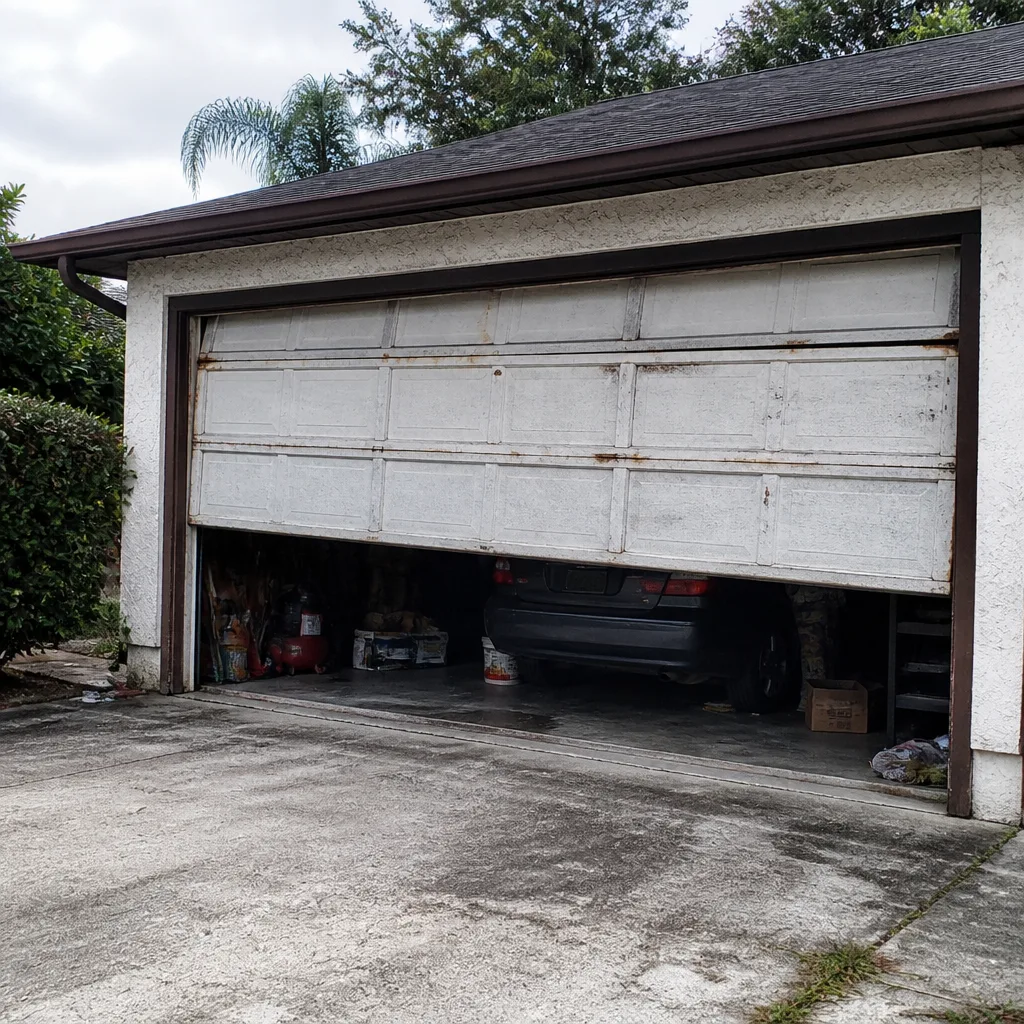 Before
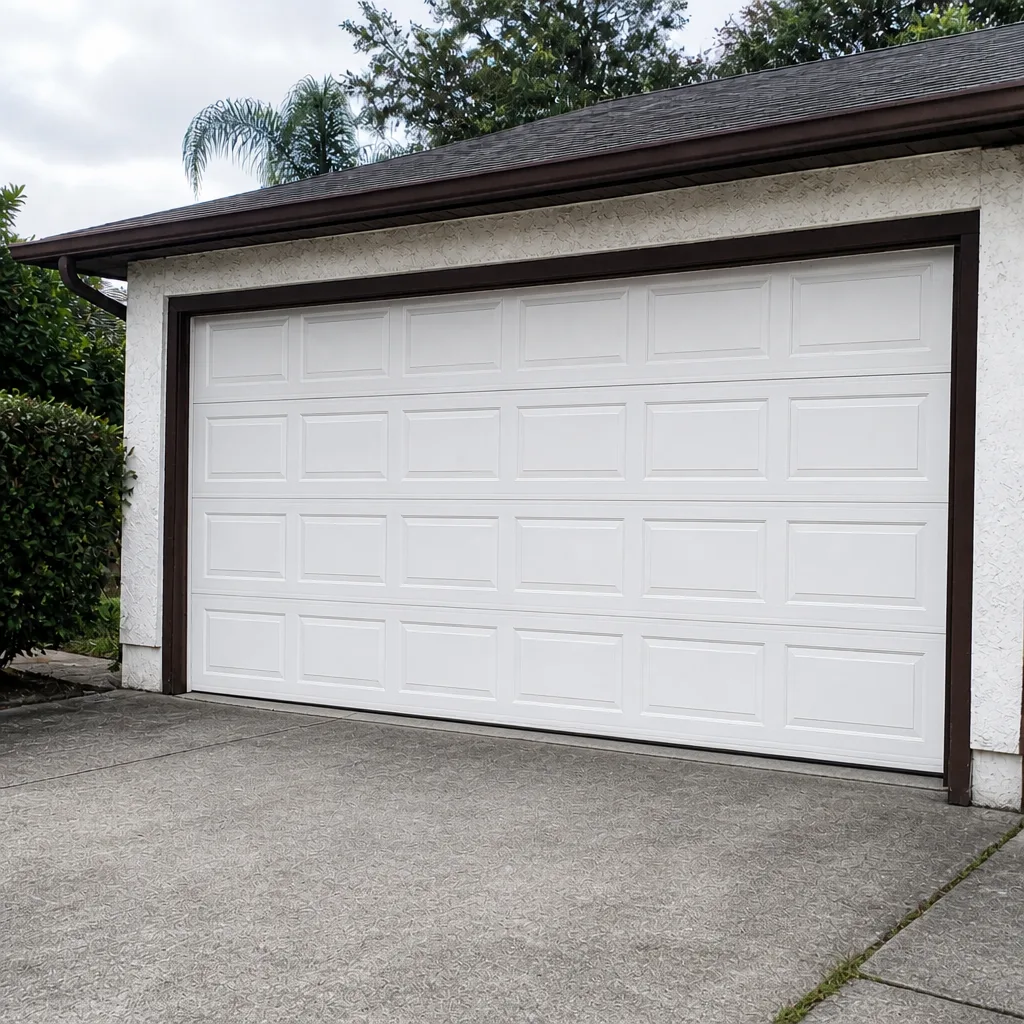 After
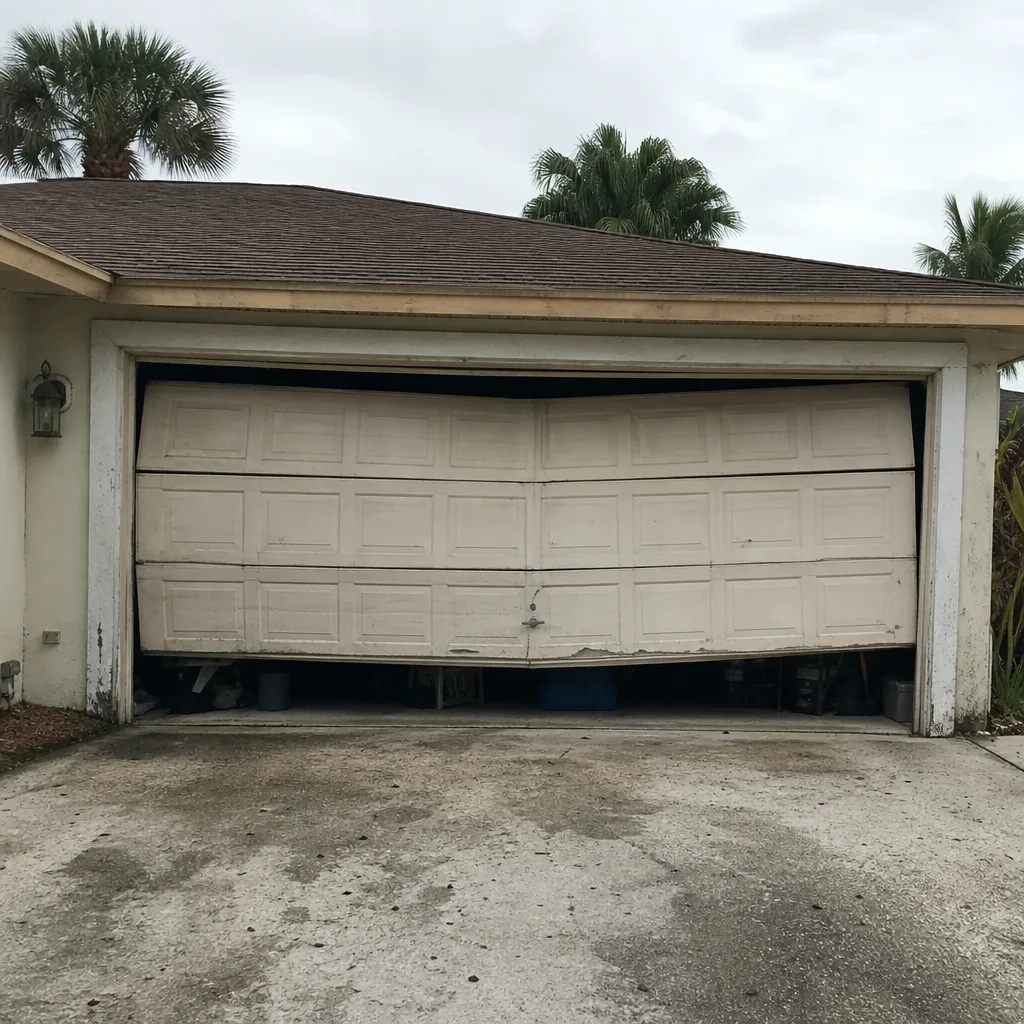 Before
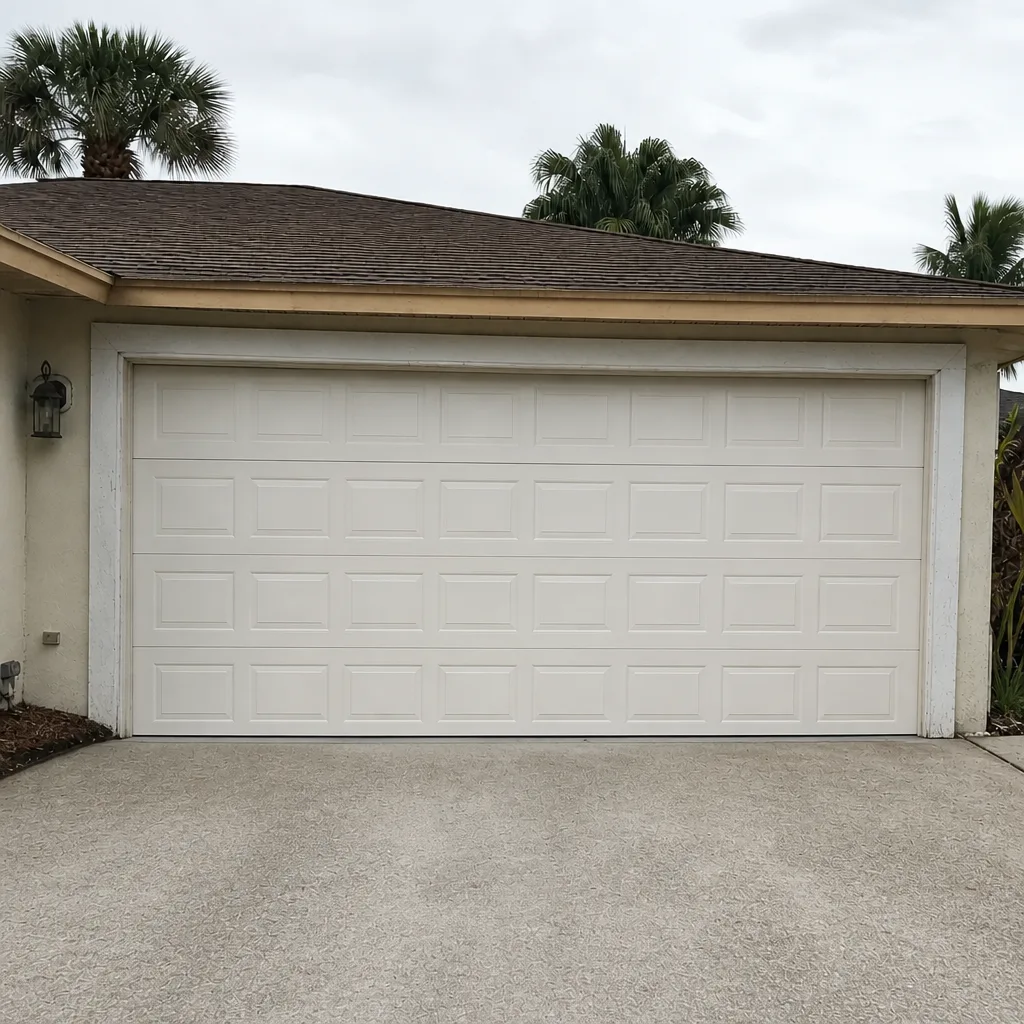 After
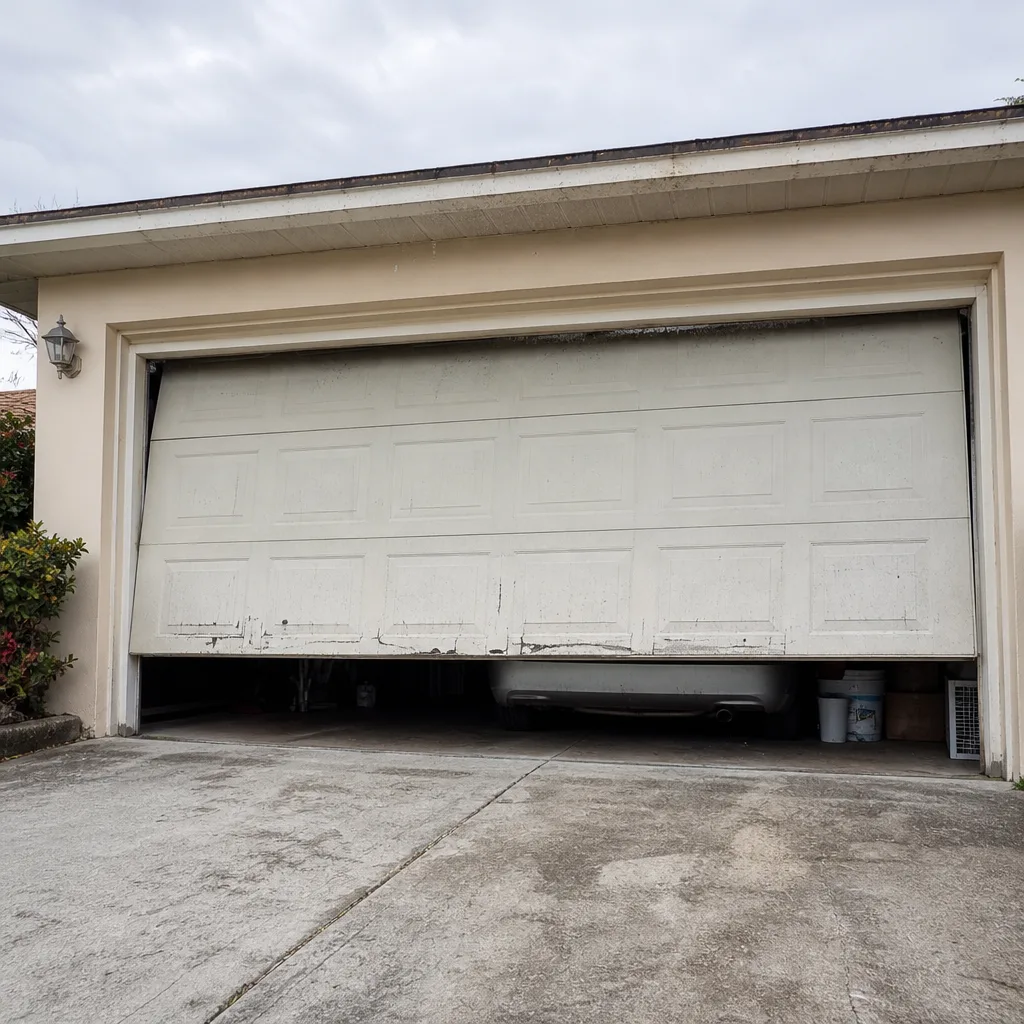 Before
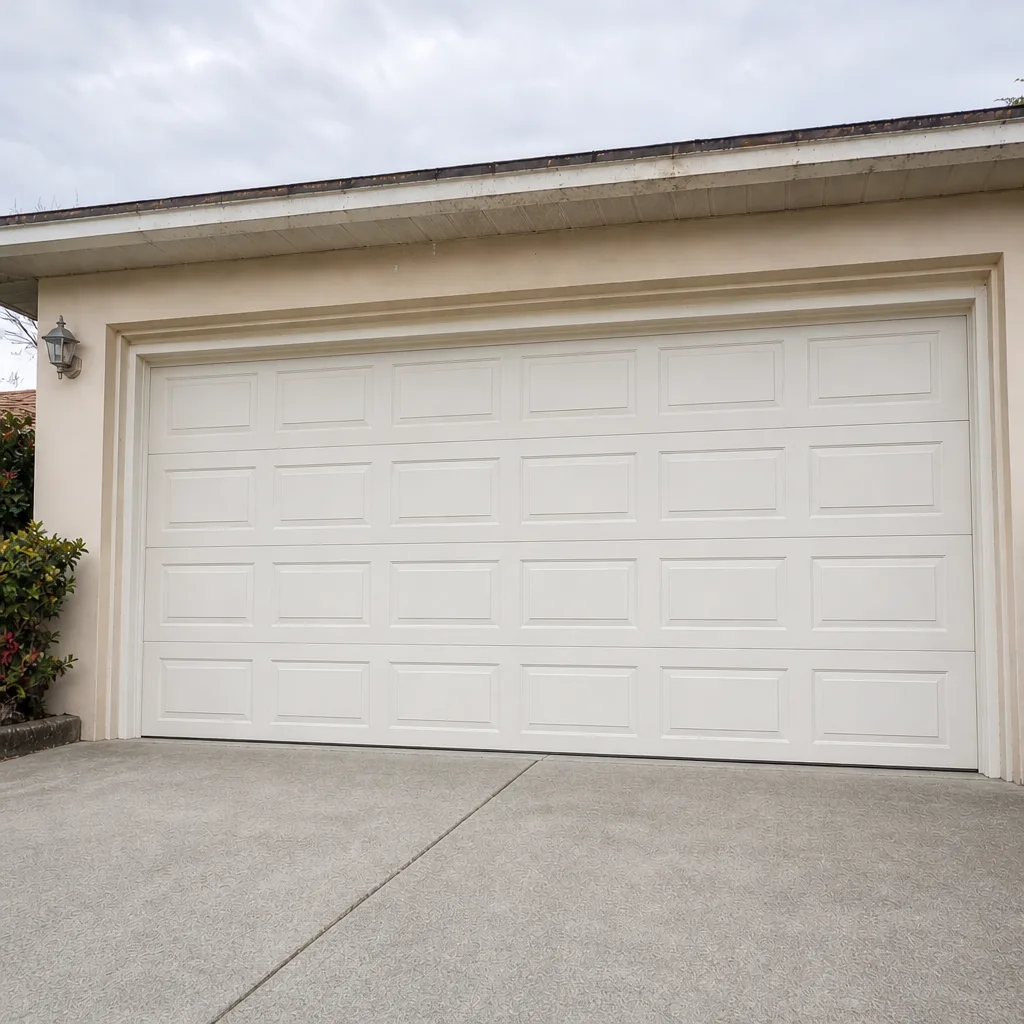 After