
Last updated November 22, 2026
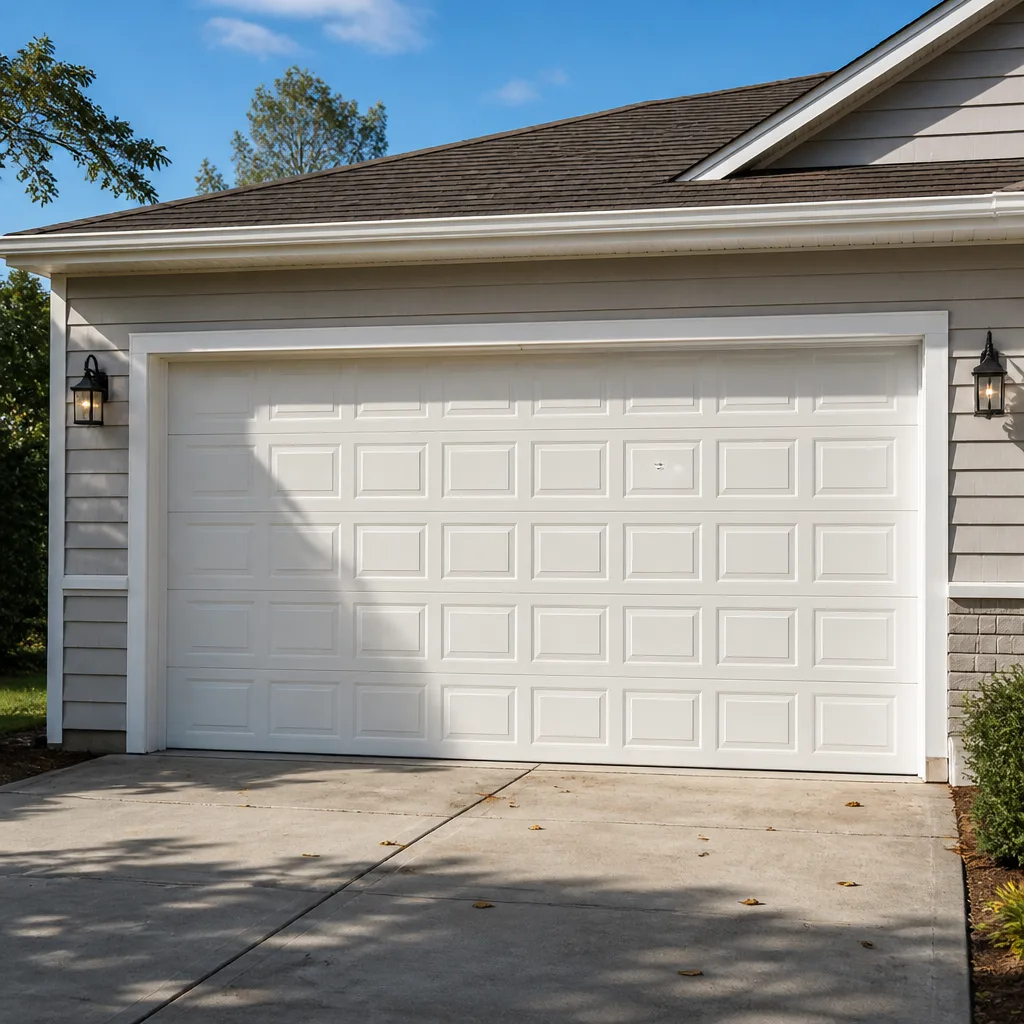 Raised-panel steel
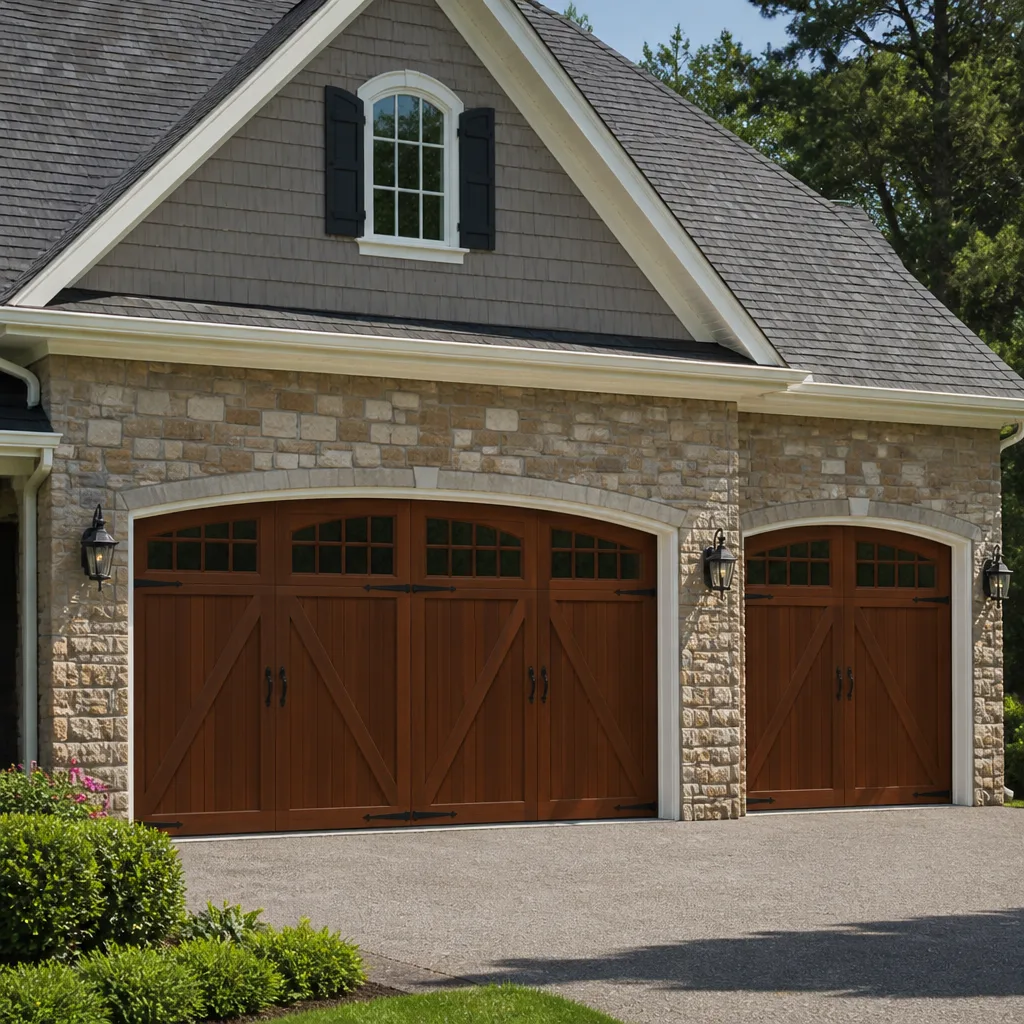 Carriage house
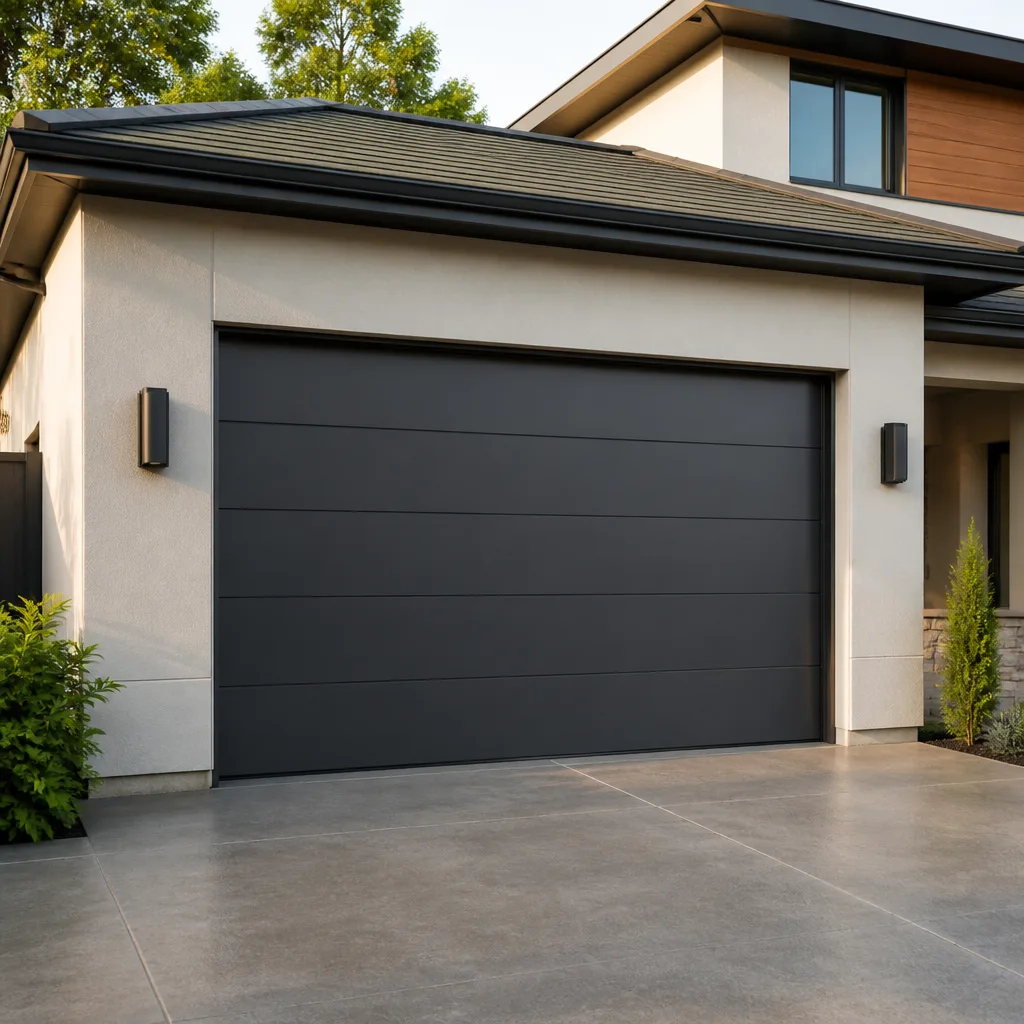 Modern flush
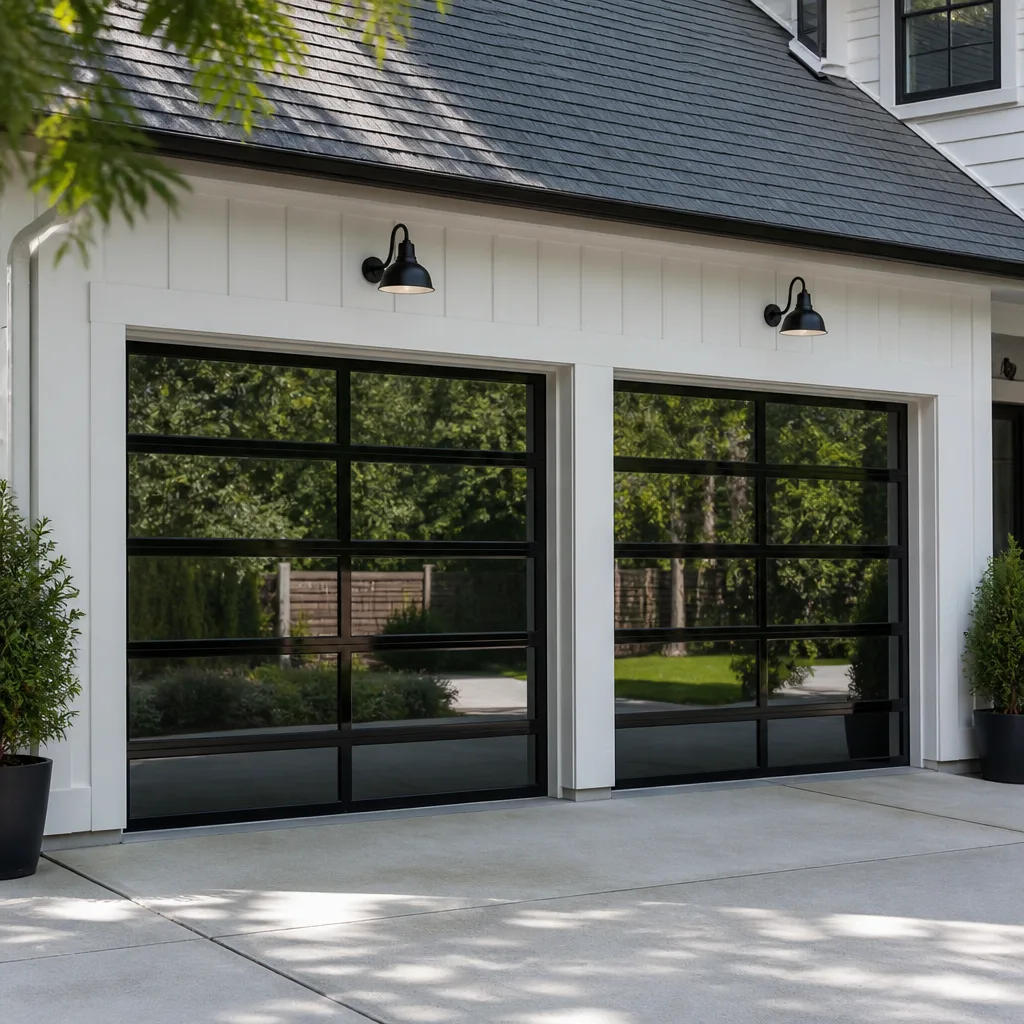 Full-view glass
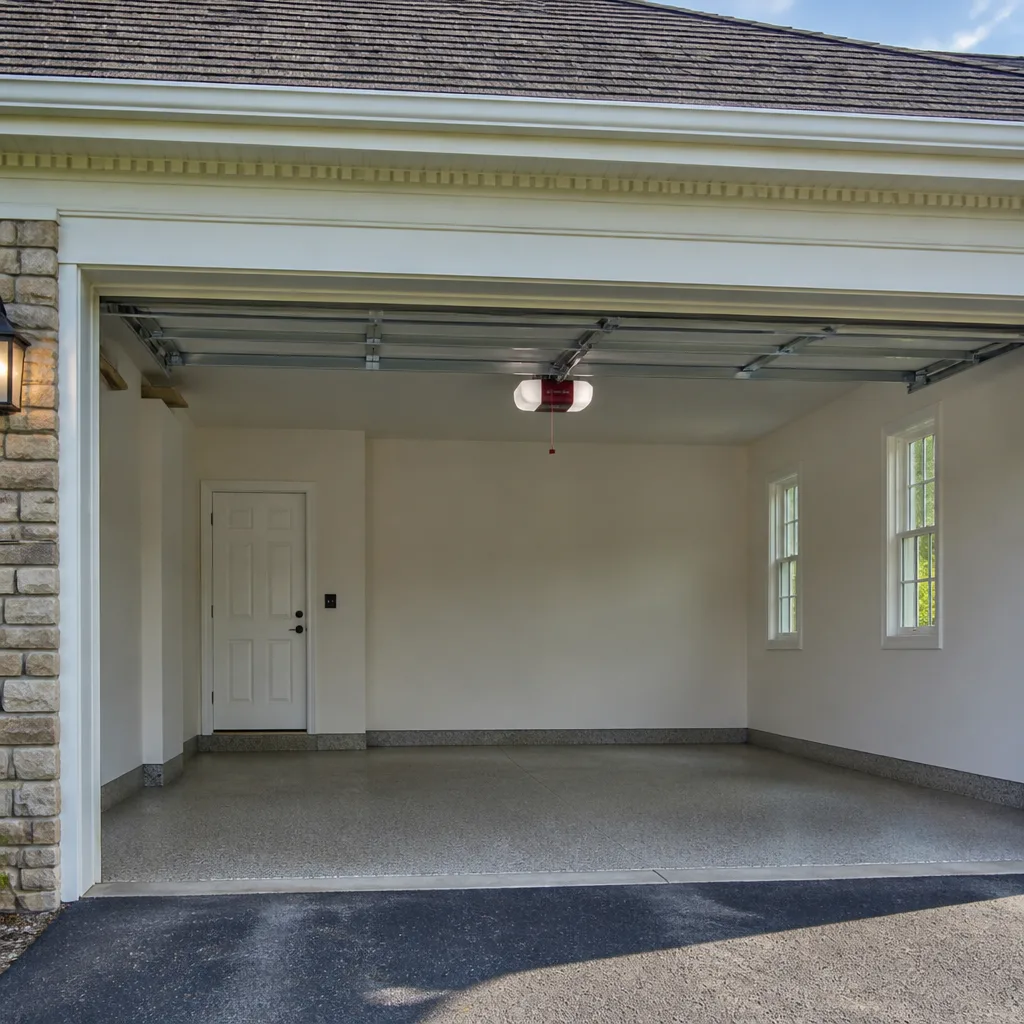 LiftMaster openers
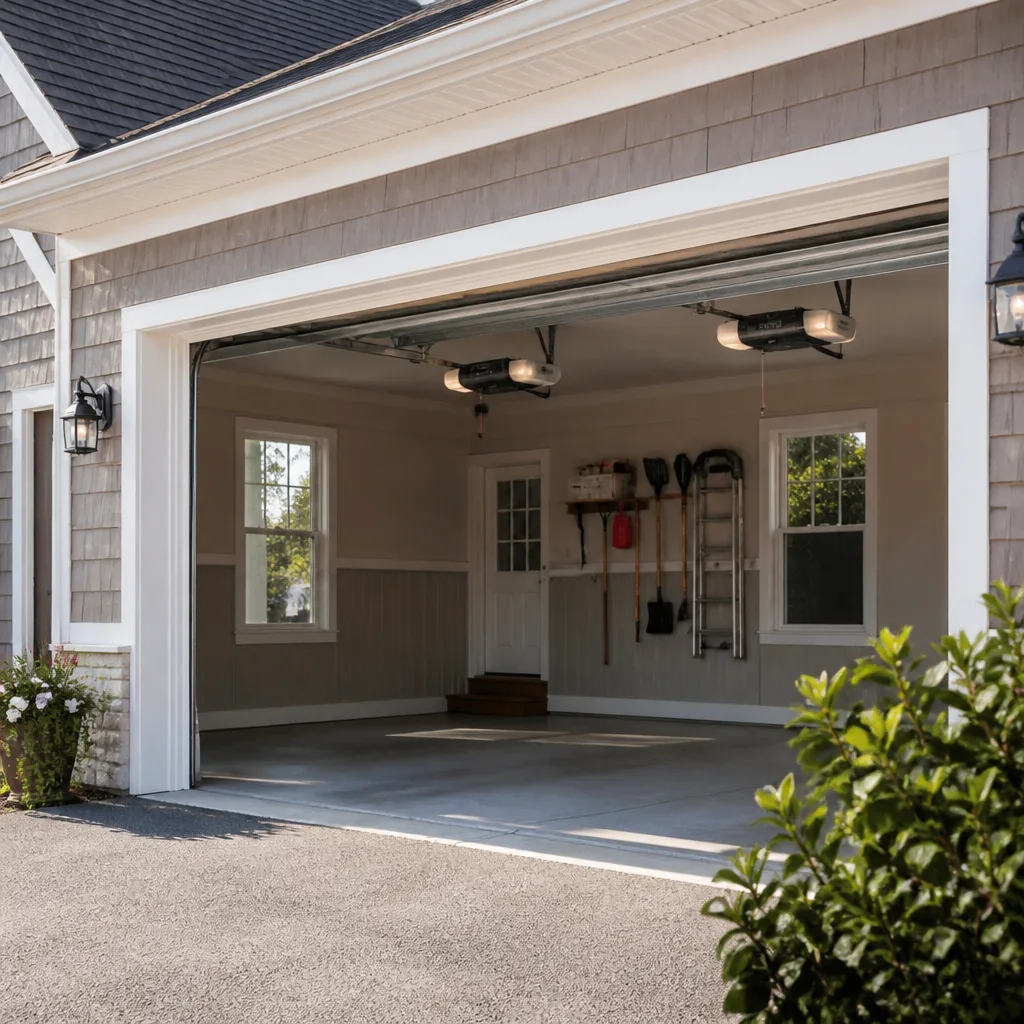 Chamberlain openers
Full 25-point door and opener safety check with every visit - springs, cables, rollers, tracks, and your LiftMaster or Chamberlain opener included
You get a price before we start. It does not change when the pro arrives.
Get your free estimateGarage Door Emergency Preparedness Guide for Coral Springs Homes
Most Coral Springs homeowners think a garage door emergency means one thing: the door won’t open and the car is trapped. But in this part of Broward County, there’s a second kind of emergency, and it tends to arrive on a weather map. When a storm is 48 hours out and your door isn’t rated for the wind, the panic is different, quieter, and it starts with a question no one can answer in the moment. Compounding both is a detail most guides skip: when the power dies during a storm, a garage door isn’t automatically secure just because it’s shut. This guide covers both kinds of emergency, the overlap between them, and what to do in the first ten minutes.
Quick Answer
A garage door emergency in Coral Springs has two forms: a mechanical failure (spring, cable, opener, or track) that traps your car or leaves the door stuck open, and a weather emergency where a hurricane is approaching and your door may not meet current wind-load requirements. For the mechanical kind, secure the door manually and call for same-day repair. For the weather kind, verify your door’s wind rating, test your manual release before you need it, and understand that bracing helps only in specific situations. Both situations benefit from knowing your door’s hardware before the emergency starts.
Styles & brands we work with
- Raised-panel steel
- Carriage house
- Modern flush
- Full-view glass
- LiftMaster openers
- Chamberlain openers
Table of Contents
- The Two Kinds of Garage Door Emergency in Coral Springs
- How to Operate the Manual Release When the Power Dies
- First 10 Minutes: Door Stuck Open
- Hurricane Preparedness: Wind Ratings, Wind Kits, and Bracing
- Emergency Override When the Spring or Cable Has Failed
- Building a Garage Door Emergency Kit for South Florida
- Backup Battery Realities in South Florida Heat
- A Pre-Season Checklist for Coral Springs Homeowners
The Two Kinds of Garage Door Emergency in Coral Springs
When we take a call from a Coral Springs homeowner in distress, the first thing we establish is which emergency we’re dealing with. The mechanical emergency is the one most people picture: a snapped spring, a cable that’s come off its drum, or an opener that’s dead, leaving the door immovable. It happens suddenly. The car is trapped. Or worse, the door is stuck halfway and won’t close, and the house is open to the street.
The weather emergency is slower but carries more consequence. It starts when a hurricane enters the forecast and a homeowner realizes they don’t know whether their door is rated for the wind. A garage door is the largest opening in most homes, and in a high-wind event, it’s often the first structural element to fail. That failure can pressurize the interior and compromise the roof and walls. In Coral Springs, where storm season runs from June through November, this is a real, recurring concern, not a hypothetical one.
The overlap is where people get caught. A door that loses power during a storm and can’t be manually latched becomes a weather emergency on top of a mechanical one. We’ve seen this pattern play out across Broward County, and the failure often isn’t the door itself; it’s an untested manual release that no one in the household has ever operated. The homeowner doesn’t know where the release cord is, or pulls it wrong, and the door won’t re-engage when power returns. The good news is that all of this is testable ahead of time, and the rest of this guide walks through exactly how.
If you’ve already got a mechanical failure in progress, our garage door repair team handles same-day calls. Call (855) 697-3734. We answer 24/7, with fast dispatch from 7am to 7pm, Sunday through Friday.
How to Operate the Manual Release When the Power Dies
The manual release exists so you can open the door by hand when the opener has lost power. Every residential opener has one, and the mechanism is almost identical across the brands we service: a red cord or handle hanging from the trolley that runs along the rail. LiftMaster, Chamberlain, Genie, and Craftsman units all use a version of this. The concept is simple. The execution is where homeowners go wrong.
Here’s the sequence, in order:
- Confirm the door is fully closed first. Never pull the release with the door open or mid-travel. An open door connected to nothing will slam down under its own weight. If the door is up, leave it up and call for help.
- Locate the release cord. It hangs from the trolley above the door, roughly centered, usually red. If it’s tangled, knotted, or missing, don’t improvise with the rail; call us.
- Pull straight down, firmly, until you feel the trolley disengage. A slight jolt is normal. The door is now disconnected from the opener.
- Open the door slowly by hand. A well-balanced door should move with one hand of steady pressure. If it’s heavy or binds, stop. A door that fights you has a spring or balance problem, and forcing it can injure you.
- Prop the door open with a sturdy object if you need it to stay up while you move the car. A disconnected door won’t stay up on its own.
- To re-engage, close the door fully, then pull the release handle toward the opener (in most units, up and back along the rail) until the trolley clicks back into the carriage. Then test the opener with the door closed.
The mistakes we see most: pulling the release with the door already open, which drops the door; forgetting to re-engage the trolley before hitting the opener button, which sounds the alarm (if equipped) and does nothing; and leaving the door disconnected after a power outage without realizing it, so the next press of the remote runs the opener motor against a door that won’t move. Make sure every adult in the house, and every teenager who drives, knows where that cord is and how to work it. Test it once a season with the door closed. This takes two minutes and prevents the most common storm-week scramble we hear about in Coral Springs.
First 10 Minutes: Door Stuck Open
A door stuck in the open position is the highest-stress mechanical failure because it’s simultaneously a security problem and, during storm season, a weather exposure problem. In the first ten minutes, your goal is to get the door down or, failing that, to secure the opening. Work in this order:
- Clear the area and keep children and pets back. A door that’s jammed may drop without warning.
- Check whether the door is on or off its track. Look at the rollers. If a roller has popped out of the track or the door is visibly crooked, don’t force it. Forcing a misaligned door bends panels and can bring the whole thing down.
- Try the manual release if the door isn’t visibly off-track. Disconnect and lower it by hand, slowly, keeping your body clear.
- If the door won’t come down because of a broken spring, a snapped cable, or a bent track, secure the opening instead. Use a heavy board or furniture positioned against the opening from inside; this is a stopgap, not a fix.
- Call for emergency repair. Door stuck open is a genuine emergency call, and it’s one of the situations where same-day service matters most.
In Coral Springs, this happens with a specific urgency during storm season, when a door stuck open means wind and rain entering the house directly. If a storm is approaching and your door is jammed, call first and secure second. We can walk you through the immediate stopgap over the phone. Reach us at (855) 697-3734. We answer 24/7.
Hurricane Preparedness: Wind Ratings, Wind Kits, and Bracing
Coral Springs sits in Broward County, which has some of the strictest wind-load requirements in the country for new and replacement construction. Older homes, though, may have doors that were installed before those requirements tightened. The first thing to do is find out what you actually have.
Here’s how to check your door’s wind-load rating:
- Look for a label on the door itself. Many impact-rated doors carry a sticker or stamp on the inside of the top panel or the end stile. It’ll list a design pressure (DP) rating. That rating tells you the wind speed the door was tested to withstand.
- Check your closing documents or permit records. Your city’s building department can pull the permit history for your address, which will show whether the door was permitted as impact-rated.
- Look at the door’s construction. Impact-rated garage doors typically have heavier-gauge tracks, reinforced hinges, and a horizontal or vertical reinforcement strut across each panel. A builder-grade door with thin tracks and no struts is very likely not rated.
A wind kit is the reinforcement hardware added to a non-rated door to help it resist pressure: extra struts, heavier hinges, and reinforced brackets. Wind kits help in moderate wind but do not turn a non-rated door into an impact-rated door; they’re a mitigation, not a certification. Bracing is similar. Adding a center post or reinforcing struts makes a door stiffer and reduces the chance of panel failure in some conditions, but a door that isn’t rated to the current code can’t be braced into compliance. A brace on an unrated door can create a false sense of security, which is worse than knowing the truth about your door.
If you’re not sure which category your Coral Springs door falls into, that’s a question worth answering before storm season, not during. We service doors across the major brands, including Clopay and Amarr, so we can inspect what’s on your home and tell you plainly whether it’s rated, whether a wind kit would help, or whether replacement is the honest answer. Call (855) 697-3734 for a free estimate. We answer 24/7. Fast dispatch from 7am to 7pm, Sunday through Friday.
Emergency Override When the Spring or Cable Has Failed
A snapped spring or a broken cable changes the manual override into a dangerous procedure. That’s why this section exists in its own section, separate from the routine manual release above.
A torsion spring stores enormous energy even when the door is closed. When it snaps, that energy releases. The door can no longer be safely opened by hand: it’s far heavier than its balance allows for, and the remaining spring is under load. A broken extension spring on a lighter door leaves similar hazard. A snapped cable means the door has lost its safety mechanism on that side and can drop unevenly, twisting the panels. This is not a situation to work through yourself.
What to do, and when to stop:
- Do not pull the manual release if either spring is visibly broken or the cables are slack or off the drum. Disconnecting a door with a failed spring or cable can let it fall.
- Do not try to lift the door to check. Even a small lift tests weight that the door is no longer designed to carry by hand.
- Keep everyone out of the garage until a technician arrives.
- Secure the area: close and lock the garage door into the house if you have one, and use the interior entry.
- If the door is partially open, do not force it. Hold it with the opener if the opener still works, or call for emergency help to close it safely.
Spring repair is the single most common garage door failure point, and it’s also the one with the highest injury risk for a homeowner attempting a fix. This is where we recommend you stop and call. Our garage door spring repair service is built for exactly this call, and it’s a repair that usually can be completed on a single visit. Our technicians have up to 15 years of experience working with springs and cables across the major brands, including Chamberlain and Genie systems. In Coral Springs, we can often be out the same day for a stuck door.
Building a Garage Door Emergency Kit for South Florida
A garage door emergency kit doesn’t need to be elaborate. What it needs to be is present, and the parts in it need to survive South Florida heat. Here’s what we recommend for a Coral Springs household:
- A printed copy of your door’s brand and model number, taped inside the garage. Knowing whether you have a LiftMaster or Chamberlain opener before you call saves time on every diagnosis.
- A flashlight and fresh batteries, kept where you can find them in the dark. The emergency almost always happens when the power is already out.
- A sturdy prop for holding a disconnected door open. A length of PVC pipe or a heavy rubber wedge works.
- Gloves for handling door edges and tracks. Panels and tracks have sharp edges.
- A spare opener remote or new batteries for the remotes you use most. Batteries in a hot garage lose charge faster than you’d expect.
- A written phone number for your garage door repair company, taped inside the garage door frame. Not in a phone you can’t find.
The shelf life of backup batteries is where South Florida’s climate matters. Opener backup batteries, the small sealed units in newer models that keep the door operable through a power cut, are rated for a few years in a mild climate but often need replacement sooner in a garage that regularly reaches high temperatures. We recommend checking your opener’s battery indicator once a year before storm season, and replacing any battery that shows weakness rather than waiting for it to fail during an outage. The same goes for the AA or coin batteries in remotes and wall-mounted keypads. In Coral Springs, we’ve seen a surprising number of “dead opener” calls that turned out to be a dead backup battery, not a failed unit. If you’re not sure whether your opener has a backup or whether it’s still holding a charge, that’s a quick service check. Call (855) 697-3734 to have it assessed before the season.
Backup Battery Realities in South Florida Heat
Most modern openers, including many LiftMaster, Chamberlain, and Genie models, offer a backup battery that keeps the door opening a limited number of times when household power is out. It’s one of the best features for storm season. But the way a battery behaves in an unventilated Coral Springs garage is different from how it behaves in a climate-controlled room. Heat accelerates self-discharge, and a backup battery left untended in a hot garage may not hold its rated capacity by the time you need it.
What to do:
- Check the battery at the start of each storm season using your opener’s built-in test or indicator. If the opener’s manual has a test procedure, follow it.
- Replace rather than recharge a backup battery that’s failed a test. These are sealed units; they don’t recharge like an automotive battery.
- Note the install date on the battery with a marker. In this heat, a replacement is often needed more frequently than the packaging suggests.
- Don’t assume a working wall outlet means a working backup. The opener can run on household power for years while its backup battery sits dead.
If your opener is older and doesn’t have a backup battery, or if you’re discovering that yours no longer holds a charge, we can replace or advise on a compatible unit. Our garage door opener repair covers backup batteries, motor issues, and remotes across the brands we service. The estimate is free, and the written quote sets the final price.
A Pre-Season Checklist for Coral Springs Homeowners
The best time to prepare for a garage door emergency is before the first named storm appears in the forecast. Here’s a pre-season checklist for Coral Springs homeowners:
- Test the manual release with the door closed. Make sure every adult in the house knows how it works.
- Verify your door’s wind-load rating. Look for a label or check your permit records with the city’s building department.
- Inspect the springs and cables visually. Look for gaps or breaks in torsion springs, and slack or frayed cables. If either looks wrong, call before it fails.
- Test the opener’s backup battery. Replace if weak.
- Check the weatherstripping and bottom seal. A failing seal lets wind-driven rain in during a storm.
- Listen for sounds that signal a problem: a bang from the garage, a door that moves with a jerk, a spring that’s developed a gap.
- Book an inspection if you’re not sure what you’re looking at. A trained technician can spot a worn spring or a sagging cable long before it snaps.
If anything on that list looks wrong, call (855) 697-3734. Free estimates, whether you need a repair or want an honest assessment of whether your door is storm-ready. Our technicians have up to 15 years of experience and can work on any of the eight brands we service, from Clopay and Amarr doors to LiftMaster and Genie openers. We don’t push replacement when a repair will do. For a step-by-step overview of the repair process, see our Coral Springs Garage Door Repair Pros resources.
Common Mistakes to Avoid
- Pulling the manual release with the door open. This is the single most common way a storm-week garage door drops and hits the car or a person. The door must be fully closed before you disengage it.
- Forcing a door that’s off its track. A popped roller or a bent track is a job for a professional. Forcing it bends panels and can bring the whole door down, turning a repair into a full replacement.
- Trying to repair a broken torsion spring or snapped cable yourself. Springs store enough energy to seriously injure a person. This is the one component we tell homeowners to leave alone, no matter how handy they are.
- Assuming a builder-grade door is rated for wind. Many Coral Springs homes were built with doors that predate current wind-load requirements. Check the rating rather than assuming.
- Believing a wind kit makes a non-rated door hurricane-rated. A wind kit or brace adds stiffness but does not make the door code-compliant for wind. Knowing the difference matters before the storm, not during.
- Ignoring a dead backup battery until the power fails. In South Florida heat, a backup battery can be dead for months without any warning. Test it at the start of every storm season.
- Forgetting to re-engage the trolley after a power outage. If you don’t reconnect the release, the opener runs against a disconnected door and may sound its alarm or overheat. Test the opener after any manual release.
See the difference
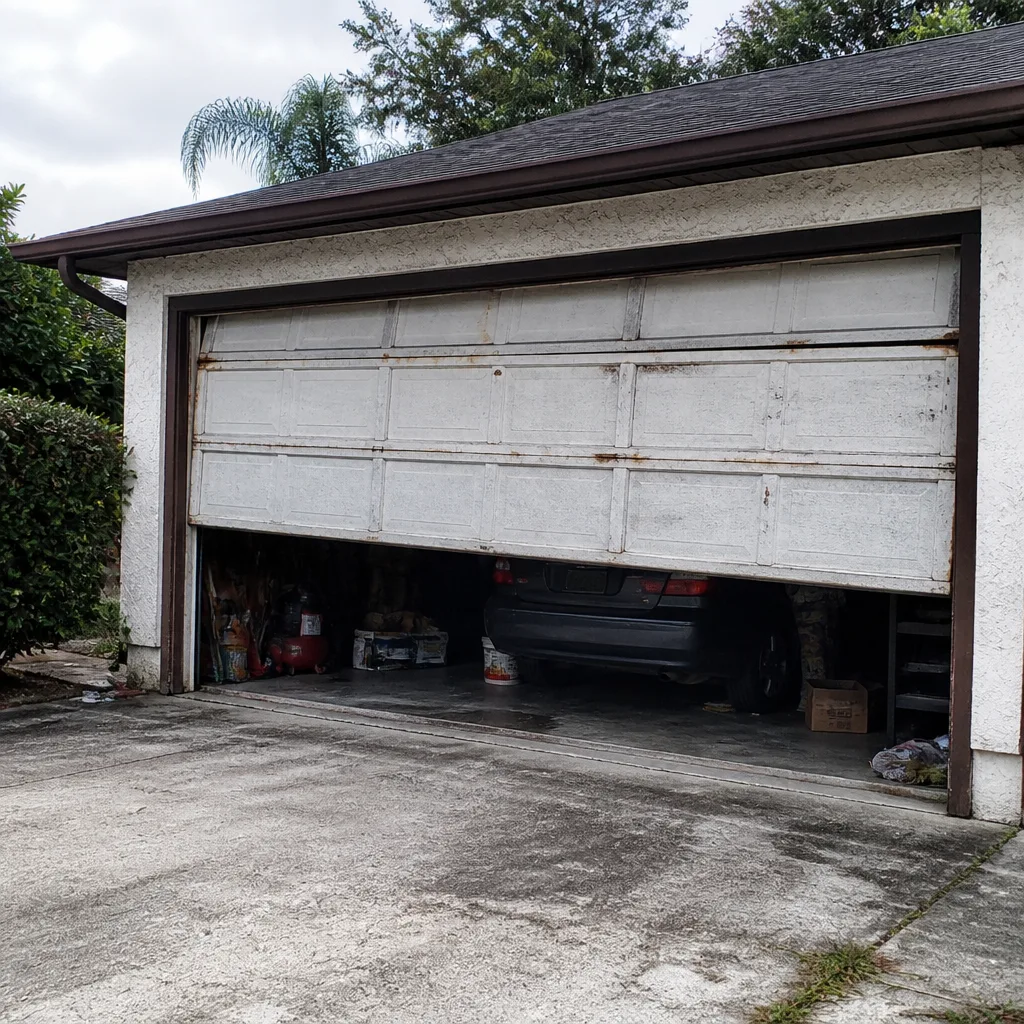 Before
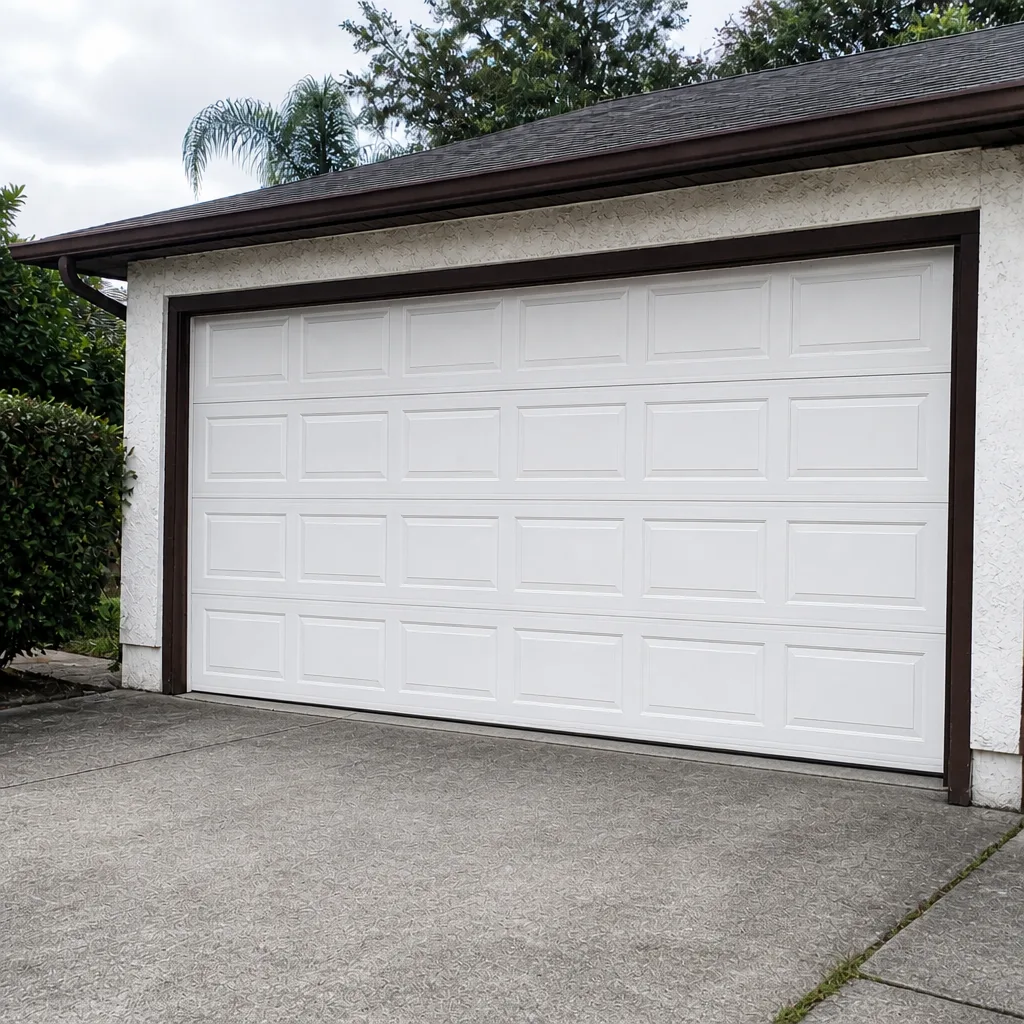 After
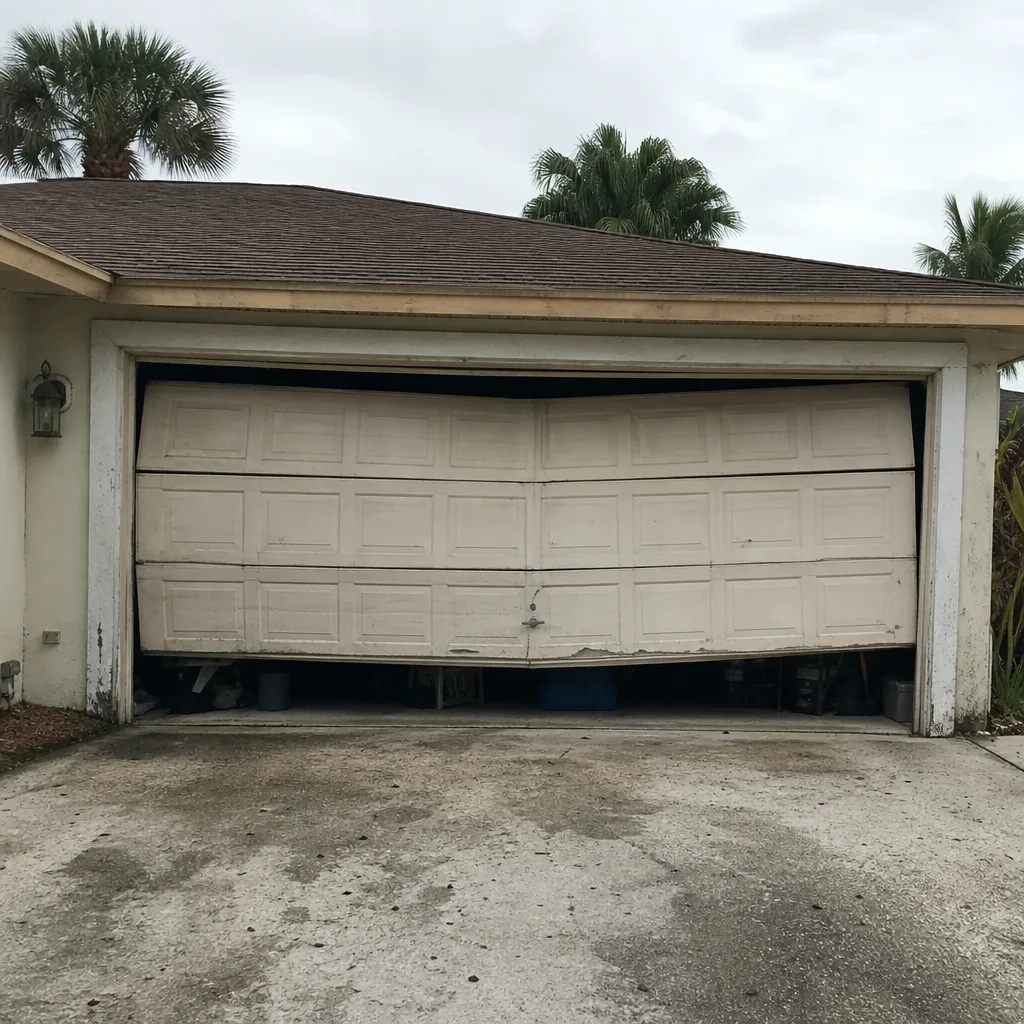 Before
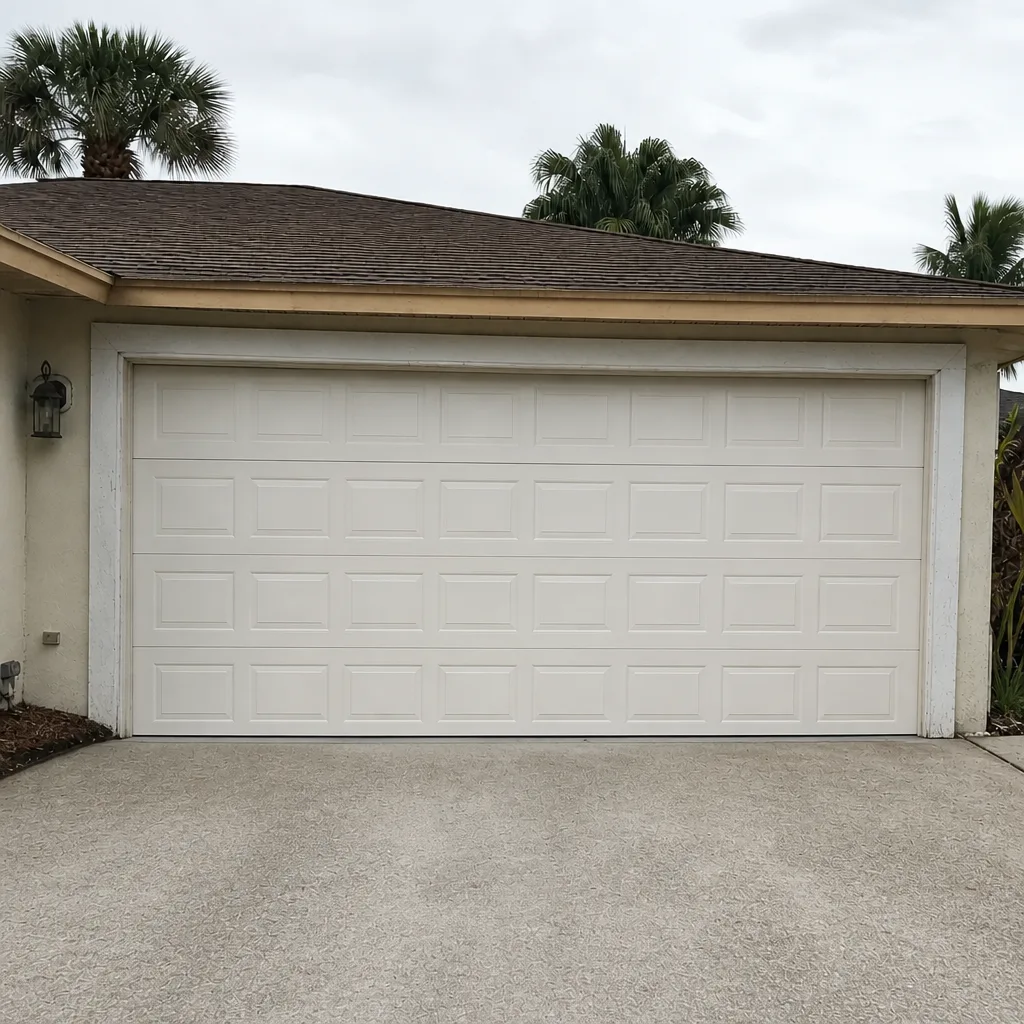 After
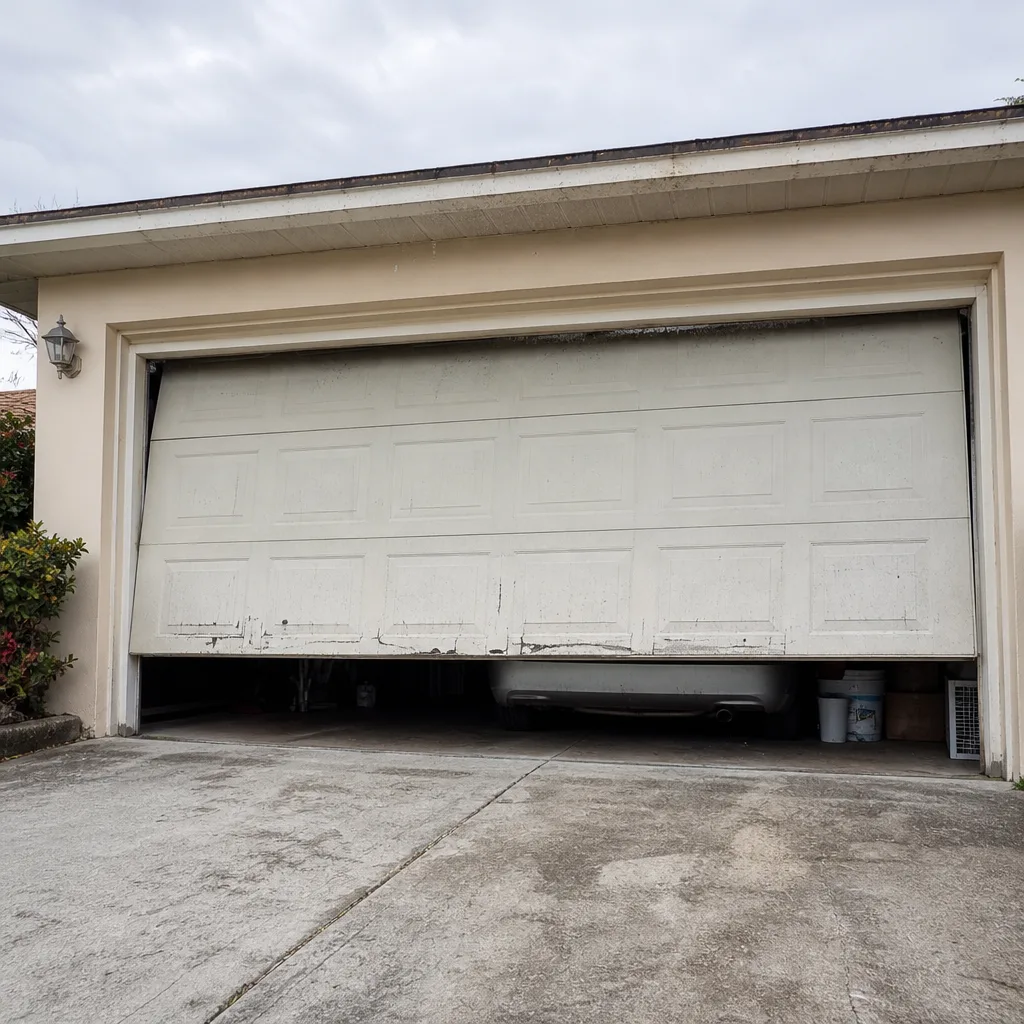 Before
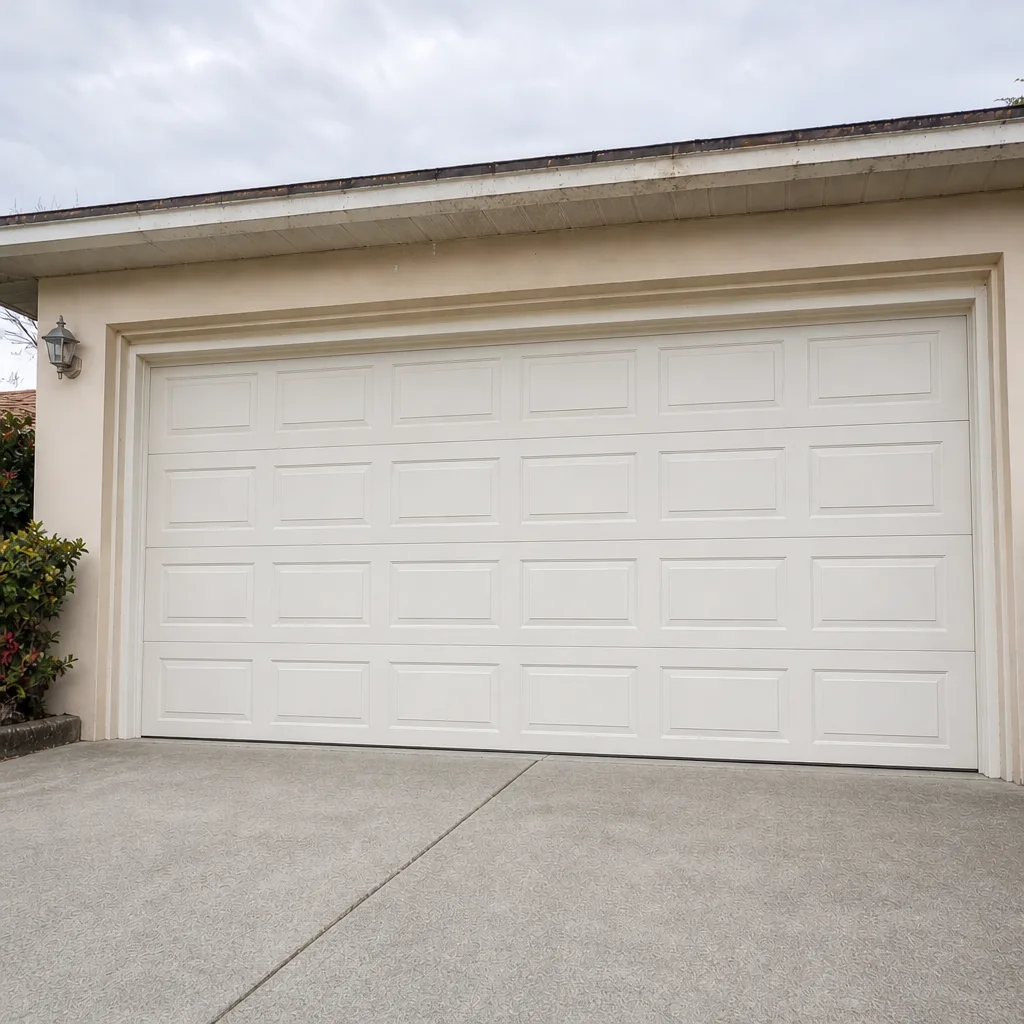 After
When to Call a Professional
Some emergencies you can manage with the manual release. Others need a technician. Call a professional when the spring is visibly broken or the cable has snapped, when the door is off its track or visibly crooked, when the door won’t open or close at all and the manual release didn’t fix it, when a door is stuck open and can’t be secured, or when you’re not sure whether your door is wind-rated and a storm is approaching. Spring and cable failures in particular carry real injury risk and should never be a DIY project.
Coral Springs Garage Door Repair Pros offers free estimates in Coral Springs. Call (855) 697-3734. We answer 24/7, with fast dispatch from 7am to 7pm, Sunday through Friday.
Frequently Asked Questions
With the door fully closed, pull the red release cord hanging from the trolley straight down to disengage the door from the opener, then lift the door by hand. Then prop the door open if needed, and re-engage the trolley before using the opener again. Never pull the release with the door already open. Call (855) 697-3734 if the release cord doesn’t move freely or the door feels heavy when you lift it.
You can check by looking for a wind-load label on the door’s top panel or end stile, or by checking with the City of Coral Springs building department for your home’s permit history. Many older homes have doors installed before current wind-load requirements tightened. If you’re not sure, an inspection will tell you. Call (855) 697-3734 for a free assessment.
No. A torsion spring stores enough energy even when the door is closed that a snapped spring can cause serious injury. A broken spring or snapped cable should always be handled by a trained technician. Our technicians have up to 15 years of experience with spring repair and can typically fix it in one visit. Call (855) 697-3734 to schedule a free estimate.
Clear the area and try the manual release only if the door isn’t visibly off its track, then lower it by hand. If the door won’t come down because of a spring or cable failure, secure the opening with a board from the inside and call for emergency repair. Call (855) 697-3734. We answer 24/7.
A backup battery often needs replacement more frequently in a hot, unventilated garage than its packaging suggests. We recommend testing it at the start of each storm season and replacing any battery that fails a test rather than waiting for an outage. If yours is dead or you’re not sure it has one, we can replace it. Call (855) 697-3734.
No. A wind kit and bracing add stiffness and can help in moderate wind, but they don’t make a non-rated door code-compliant for hurricane wind loads. Knowing whether your door is rated is more valuable than reinforcing a door that isn’t. Call (855) 697-3734 to find out what you actually have.
We service eight major brands: LiftMaster, Chamberlain, Genie, Clopay, Amarr, Wayne Dalton, Craftsman, and Raynor. That covers the door itself and the opener on most Coral Springs homes. One call resolves opener issues, spring failures, and door problems together, so you don’t need to book a second contractor. Call (855) 697-3734 for a free estimate.
Yes, for many mechanical failures, including a door stuck open, a broken spring, or a door that won’t open. Call (855) 697-3734. We answer 24/7, with fast dispatch from 7am to 7pm, Sunday through Friday. An estimate is free and the written quote sets the final price before any work starts.
The Bottom Line
Two kinds of garage door emergencies happen in Coral Springs: the mechanical failure that traps the car, and the weather emergency that reveals your door isn’t storm-ready. Both can be prepared for before they arrive. Know where your manual release cord is and test it. Verify your door’s wind-load rating. Check your backup battery at the start of every storm season. Keep a small kit and a written phone number in the garage. And when the spring snaps or the cable goes, stop and call. Our technicians have up to 15 years of experience and service all eight major brands, so whether it’s a Clopay door on a newer home or a Genie opener on an older one, we can diagnose and repair it in Coral Springs. Spring, opener, or door, we handle it all. Call (855) 697-3734 for a free estimate. We answer 24/7, with fast dispatch from 7am to 7pm, Sunday through Friday.
Written by the team at Coral Springs Garage Door Repair Pros.