
Last updated November 22, 2026
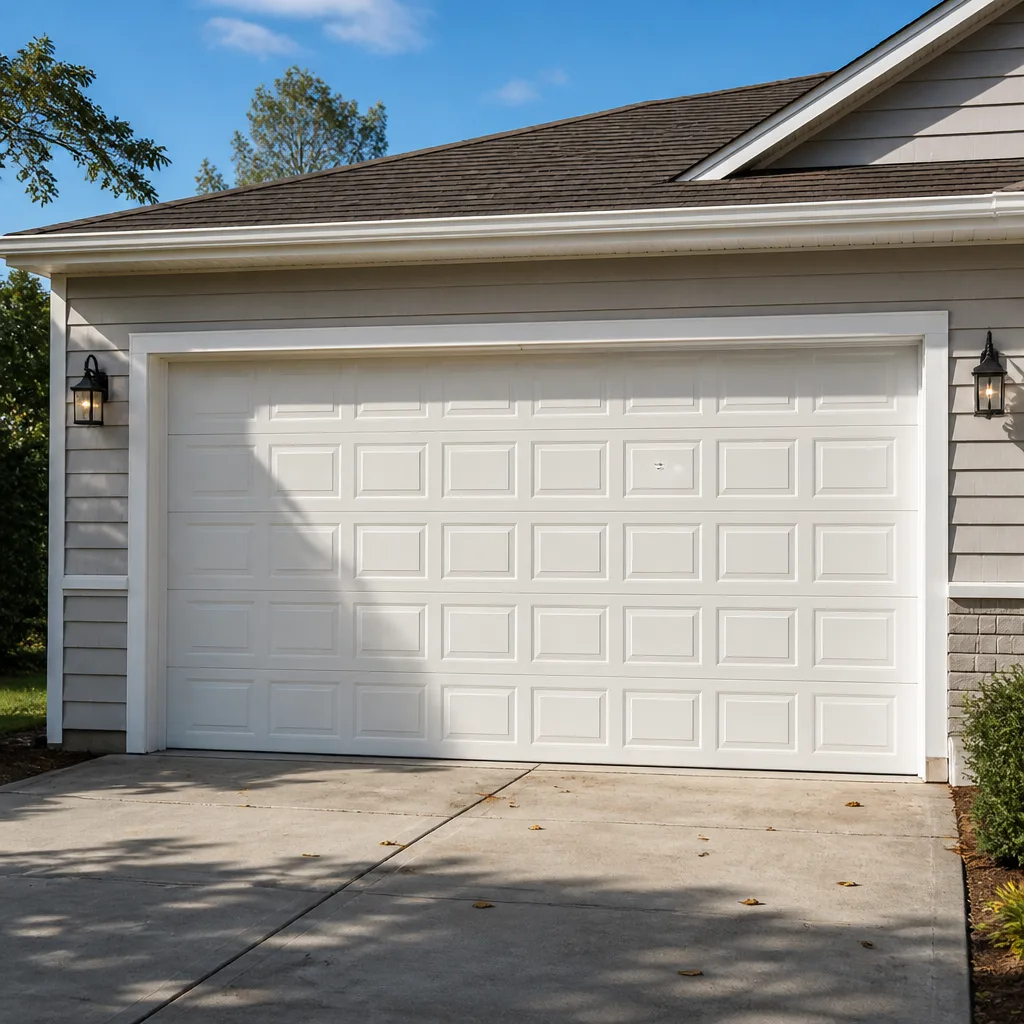 Raised-panel steel
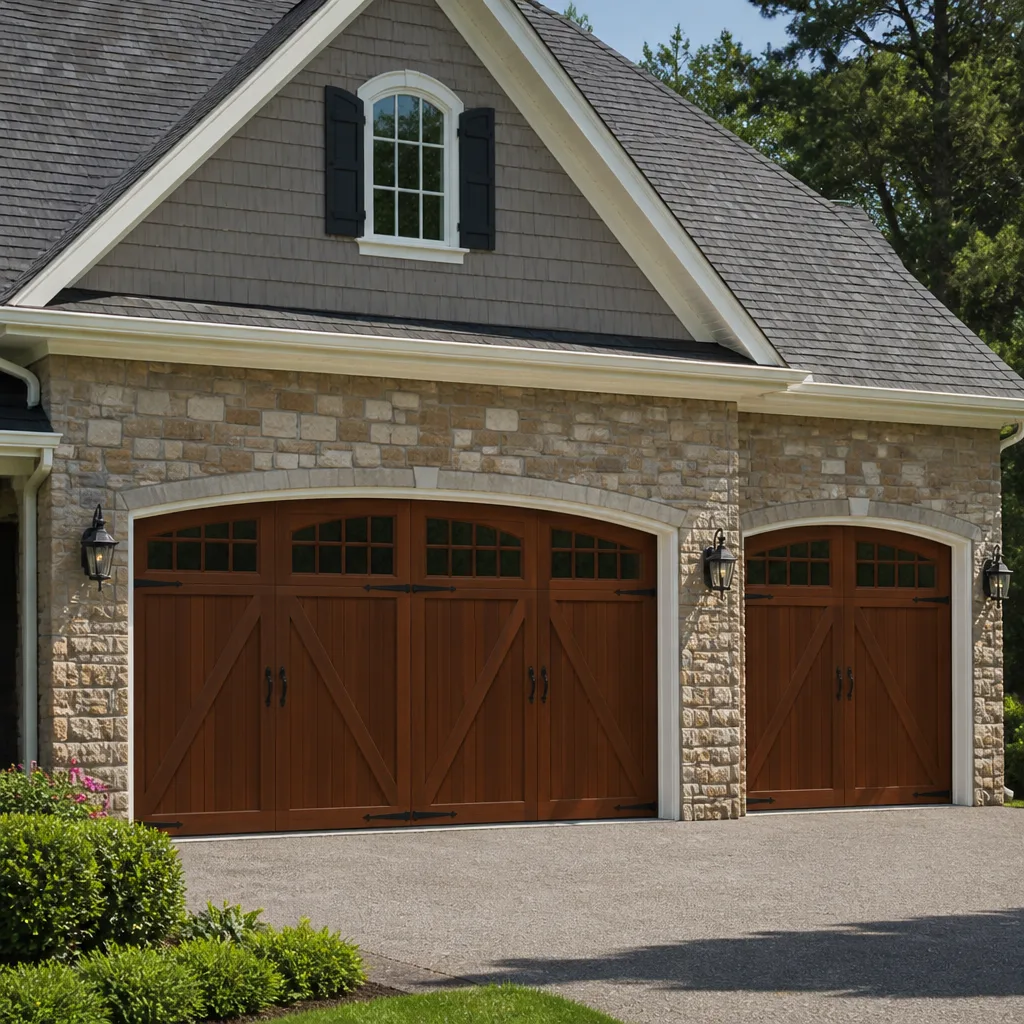 Carriage house
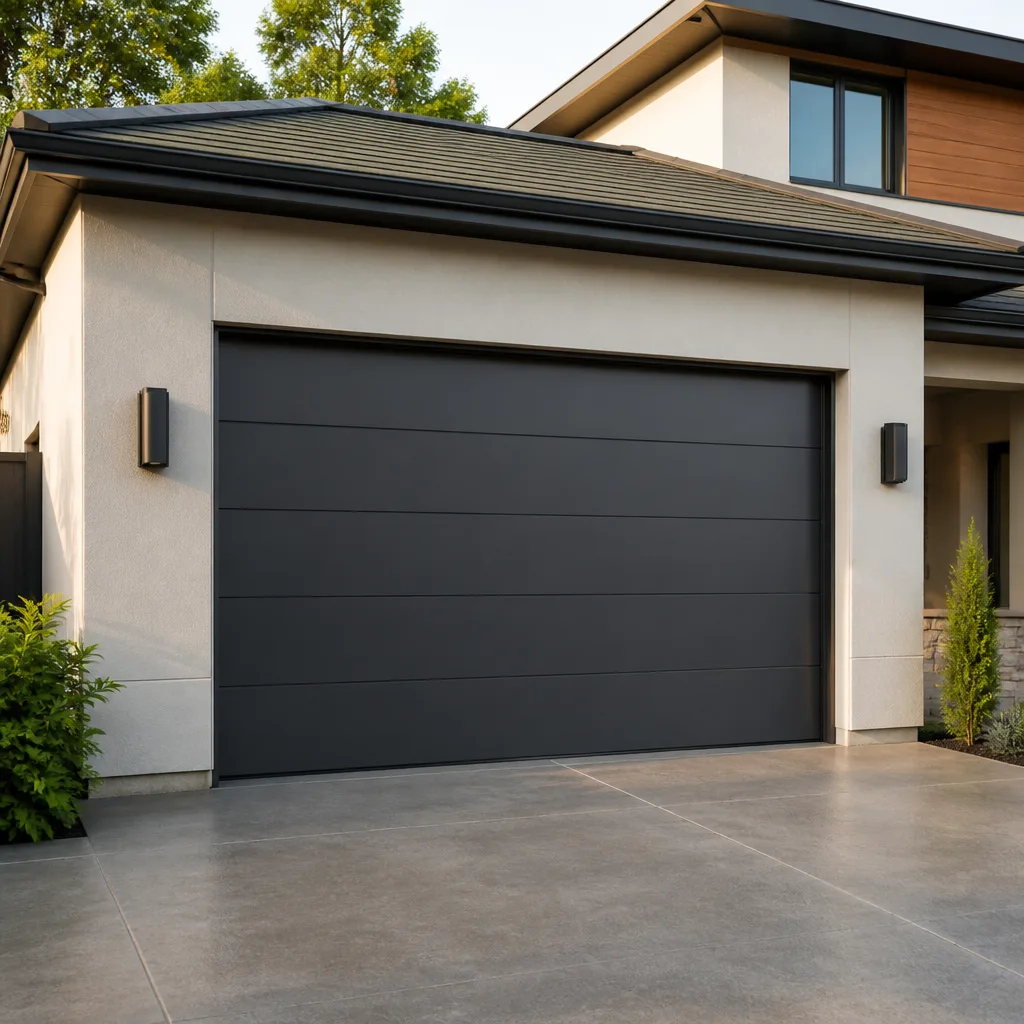 Modern flush
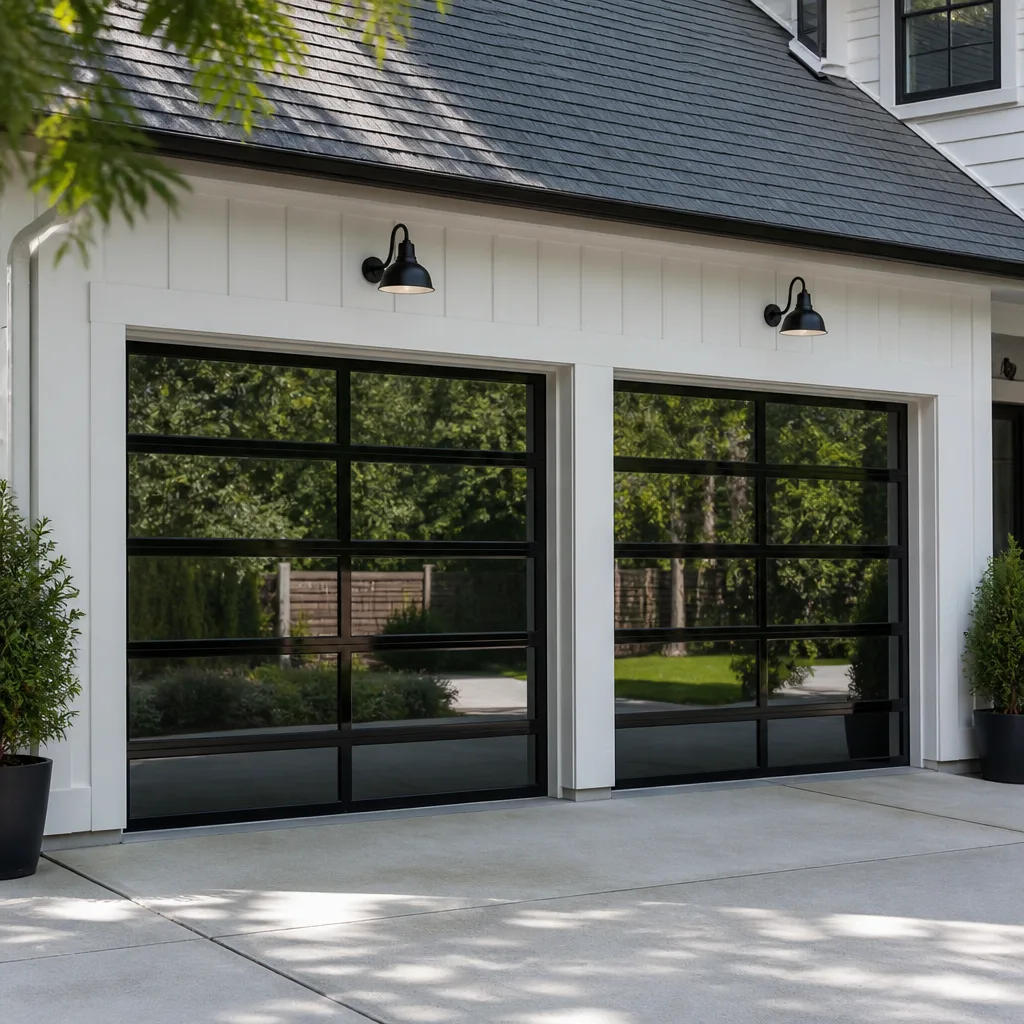 Full-view glass
 LiftMaster openers
 Chamberlain openers
Full 25-point door and opener safety check with every visit - springs, cables, rollers, tracks, and your LiftMaster or Chamberlain opener included
You get a price before we start. It does not change when the pro arrives.
Get your free estimateGarage Door Repair Maintenance Checklist for Coral Springs Homeowners
Most garage door advice you’ll read online was written somewhere with four seasons and a dry winter. It doesn’t fit here. The number-one reason springs fail early in South Florida isn’t cycle count, it’s surface rust from year-round humidity that starts micro-fractures long before the spring reaches its rated limit. The same goes for lubricant choice, weatherstripping and hardware. A checklist built for Ohio will have you greasing the wrong parts with the wrong product and missing the corrosion that actually kills doors in Coral Springs. What follows is a season-by-season guide built around what really breaks here, including the five-minute monthly check that catches most problems before they become emergencies.
Quick Answer
A solid maintenance routine for a Coral Springs garage door means a five-minute no-tools visual check every month, a proper lubrication and hardware tightening four times a year, weatherstripping inspection before and during the rainy season, and a full balance and safety-reverse test each spring. Use a humidity-resistant lubricant, not thin oil that traps grit. Replace any spring showing rust streaks early, because in this climate rust is the failure warning, not just cosmetic wear. When something is beyond a visual check, call a specialist.
Styles & brands we work with
- Raised-panel steel
- Carriage house
- Modern flush
- Full-view glass
- LiftMaster openers
- Chamberlain openers
Table of Contents
- Why Coral Springs Climate Changes the Maintenance Rules
- The Five-Minute Monthly Self-Check
- Choosing the Right Lubricant for High Humidity
- Your Month-by-Month Seasonal Calendar
- Inspecting Springs and Cables for Corrosion
- Weatherstripping and Water Intrusion
- Opener and Motor Care
- Annual Safety Tests Every Door Should Pass
Why Coral Springs Climate Changes the Maintenance Rules
Garage doors here live through weeks of high humidity, sudden heavy rain, and warm temperatures that never let metal fully dry out. That combination feeds rust on springs, cables and hinges faster than dry air ever would. It also makes the rubber and vinyl weatherstripping around the door far more important, because the rainy season pushes water sideways into gaps that a dry-climate homeowner never thinks about.
A sprinkler head aimed at the door, a shaded north-facing wall, or a garage that faces a canal can all raise the local humidity around the metal and speed things up. Coral Springs neighborhoods like Wynmoor, Eagle Trace and Heron Bay sit in conditions that vary block to block, which is why one checklist doesn’t fit every driveway. Still, the principles hold across the city: control the moisture, lubricate correctly, and catch corrosion early.
Two more local realities shape the plan. First, hurricane season runs from June through November, so a pre-season inspection makes sense before strong wind and rain arrive. Second, a garage door is usually the largest moving part of a home, and its springs carry that load under heavy tension. Maintenance here is as much about safety as it is about convenience.
Our technicians have up to 15 years of experience working on the door systems most common in Coral Springs homes, including LiftMaster openers and Raynor doors, so we’ve seen how the local air wears parts down. That experience is what this checklist is built on.
The Five-Minute Monthly Self-Check
You don’t need tools for this one, and it’s the best return on five minutes you’ll get. This quick routine catches most developing problems before they turn into a broken door or a stuck car. Run it on the same day each month.
- Listen first. Stand inside the garage and let the door open and close. Grinding, squealing, popping or a sudden bang all point to a specific part worth investigating.
- Watch the door travel. Look for jerky movement, a door that hesitates, or one side that lags behind the other. Uneven travel means alignment or hardware trouble.
- Check balance by feel. With the door disconnected from the opener, lift it halfway and let go gently. A balanced door stays put. One that drops or rises is out of balance, usually because of spring tension.
- Look at the bottom seal. Scan the weatherstripping where the door meets the floor. Any gap, tear or daylight showing through means water can get in.
- Eyeball springs and cables. Look for rust streaks, sagging cables or frayed strands. Don’t touch them. Springs are under extreme tension and adjusting them by hand is dangerous.
- Test the safety reverse. Place a roll of paper towels in the door’s path and close it. The door should reverse on contact. If it doesn’t, stop using the door and have it checked.
A surprising share of emergency calls we take start with something a homeowner could have spotted in this routine weeks earlier. Catching a loose bracket or a starting rust spot early saves a lot of hassle.
Choosing the Right Lubricant for High Humidity
Here’s where a generic checklist does real damage. In Coral Springs, a thin spray oil or a light general-purpose lube will collect grit and dust, hold moisture against the metal, and make wear worse. The right product clings, stays put, and keeps a barrier between the steel and the humid air.
- Choose a garage-door-rated lubricant with a lithium or silicone base that stays in place rather than running off. These hold up far better in warm, damp conditions than thin oils.
- Avoid general-purpose household oil and WD-40 as a lubricant for the tracks and rollers. They attract grit that works its way into bearings and speeds wear.
- Never apply heavy grease to the tracks. It turns into a magnet for dust and debris and can cause rollers to drag.
- Lubricate hinges, rollers and the torsion spring coils with a proper door lubricant four times a year. A light coating is enough. More is not better.
- Wipe tracks clean with a damp cloth rather than oiling them. Tracks are meant to stay clean and dry.
Check the label for a product designed for overhead doors and rated for outdoor or humid conditions. A specialist carries the right products and knows which one fits the door you own, whether it’s a Craftsman setup or a Chamberlain operator. Getting the lubricant right is one of the simplest ways to extend the life of moving parts in this climate.
If a link, roller or hinge is already worn or frozen, lubricant won’t rescue it. That’s a repair, and it’s worth having looked at rather than forcing the door to keep cycling over a damaged part.
Your Month-by-Month Seasonal Calendar
Coral Springs doesn’t have a harsh winter, but it does have a wet season, a dry stretch and a hurricane season. Timing your checks around those patterns makes maintenance far more effective than doing the same job every six months like clockwork. Here’s how a practical year looks.
- January – dry-season hardware check. With the air drier, this is a good time to tighten bolts, inspect hinges and brackets for rust, and confirm every bolt on the track and door assembly is snug.
- March – lubrication and alignment. Apply a humidity-resistant lubricant to hinges, rollers and springs. Watch the door travel for smoothness and check that it runs straight.
- May – pre-season prep. Before hurricane season, inspect the door, tracks, rollers and weatherstripping. Make sure the door is balanced and the safety reverse works. Clear anything stored near the tracks.
- June through November – storm-season vigilance. After any heavy storm, do a quick visual inspection of springs, cables and weatherstripping for damage or water intrusion. Keep the monthly five-minute check going.
- August – mid-season lubrication. The height of the wet season is when grit and moisture do the most harm, so refresh lubricant on moving parts.
- November – post-storm inspection. After peak season, do a fuller check for rust, frayed cables and worn seals, and note anything that needs a repair.
- December – year-end review. Look back over the year, check the safety reverse one more time, and plan any parts that are showing wear before they fail.
This calendar gives you a rhythm that fits Coral Springs weather instead of a generic template. Shift the dates a little if your garage faces a shadier or wetter spot. For a simple walkthrough of what repair work looks like when a part does fail, see our guide to garage door repair.
Inspecting Springs and Cables for Corrosion
Springs and cables are the parts most vulnerable to this climate, and the failure warning is usually rust, not noise. A spring that develops visible surface rust can fail well before its cycle rating, so this is the section to take seriously. You can inspect visually, but leave any adjustment to a trained professional.
A torsion spring runs above the door horizontally, while extension springs run along the sides. In Coral Springs, the humidity leaves a tell-tale pattern: dark rust spots, streaks or a thin orange film along the coils and the cable strands. That surface rust can create micro-fractures that lead to a snap. On cables, look for frayed strands, kinks or rust near the drum and brackets.
- Rust streaks on a spring mean it’s time to have it evaluated. Don’t wait for it to break.
- Frayed or kinked cables are a safety issue. Stop using the door until they’re checked.
- A door that lifts crooked or feels heavier can signal a failing spring.
- A loud bang from the garage at any time often means a spring has snapped. Keep the door closed and call for help.
Never try to adjust or replace a torsion spring yourself. These springs hold enormous tension, and the risk of serious injury is real. Our garage door spring repair team handles broken and rusted springs safely, and for a worn opener system our garage door opener repair covers the motor side too. Certification across brands like Chamberlain and LiftMaster means we’ve seen how each style wears in this climate. A spring price is per spring, and matched pairs are usually replaced together, so expect a pair to cost about twice a single.
Weatherstripping and Water Intrusion
Florida’s rainy season is hard on rubber seals, and the gaps that open up let water, wind and pests into the garage. Weatherstripping includes the bottom seal on the door, the side and top seals, and the threshold between the door and the floor. When these wear, the result isn’t just a draft. Water pooling near the garage can damage stored items and the door’s lower panels.
Inspect the bottom seal by closing the door and looking for daylight or a visible gap along the floor. Run your hand along the edges (carefully, when the door is stopped) and feel for stiff, cracked or torn rubber. Left in the heat, rubber goes hard and stops sealing, so a seal that looks fine can still be leaking. The fix is usually straightforward: replace the worn seal before the wet season, then keep an eye on it once the rain starts.
- Test for gaps at the floor with the door closed by checking for daylight or water stains along the base.
- Check side and top seals for tears, gaps or stiff, brittle rubber.
- Look for water stains or dampness on the floor and walls inside the garage after rain.
- Replace worn seals before June so the rainy season doesn’t find the weak spots for you.
If you notice rust starting on the lower panels or hardware near the floor, that’s often a sign water’s been getting in for a while. For the broad picture of what our team covers, visit Coral Springs Garage Door Repair Pros.
Opener and Motor Care
The opener does the lifting, but it depends on a healthy door and properly tensioned springs to keep working. A common mistake is blaming the motor when the real problem is a worn spring or an out-of-balance door. Before you call for a new opener, run a quick check.
Listen for unusual noise from the unit, check that the wall button and remote both work, and make sure the safety sensors at the bottom of the tracks are clean and aligned. A beam blocked by a cobweb or bumped out of line is a frequent cause of a door that won’t close. The opener’s force settings and travel limits should be set by a professional, since a wrong setting can put strain on the door or defeat the safety reverse.
- Clean the safety sensors on both sides of the track and confirm the indicator lights are steady.
- Test the wall button and every remote to isolate a dead battery from a real fault.
- Look at the drive system (chain, belt or screw) for slack or wear.
- Don’t ignore a grinding or straining motor. It may be working against a door that needs balance or spring work.
If the opener is old or the motor is failing, an upgrade to a modern unit is an option, but repair-first is usually the smarter call. If it’s genuinely time for new service on the motor, we handle the major brands, and our garage door opener repair page goes deeper. A well-maintained opener paired with a balanced door will last far longer than either part on its own.
Annual Safety Tests Every Door Should Pass
Once a year, run two tests that keep your door safe for everyone in the household, including pets and kids. The balance test and the safety reverse test catch problems that a visual check alone might miss. Do these with the door connected and the opener on.
- Safety reverse test. Place a roll of paper towels flat in the door’s path and press close. The door should reverse on contact with the object. If it doesn’t, stop using the door until it’s repaired.
- Balance test. Disconnect the opener, lift the door halfway by hand and let go. A properly balanced door stays in place. One that drops or rises needs attention, usually from a spring or tension issue.
These two tests are the quickest way to catch a safety problem before it causes trouble. In this climate, springs and hardware wear faster, so an annual professional inspection is a smart addition to your own checks. A trained eye spots corrosion, cable wear and alignment issues that are easy to miss. For the full range of what a team can do to keep a Coral Springs door running, see garage door repair options.
Common Mistakes to Avoid
- Using the wrong lubricant. Thin oils and general-purpose sprays attract grit and hold moisture, which accelerates wear in Coral Springs humidity. Use a door-rated lubricant and skip the grease.
- Ignoring surface rust on springs. A little rust here is an early warning, not a cosmetic flaw. Have it checked before the spring fails.
- Adjusting springs or cables yourself. These parts are under extreme tension and can cause serious injury. Leave tension work to a trained professional.
- Forgetting the weatherstripping before the rainy season. Worn seals let water in, which leads to rust and panel damage. Check them every spring.
- Skipping the safety reverse test. A door that doesn’t reverse on contact is a hazard. Test it monthly and have it fixed if it fails.
- Blaming the motor first. An out-of-balance door or a worn spring makes the opener strain. Diagnose the whole system, not just the motor.
- Over-lubricating the tracks. Tracks should be clean and dry. Oil and grease turn them into dust magnets that cause rollers to drag.
See the difference
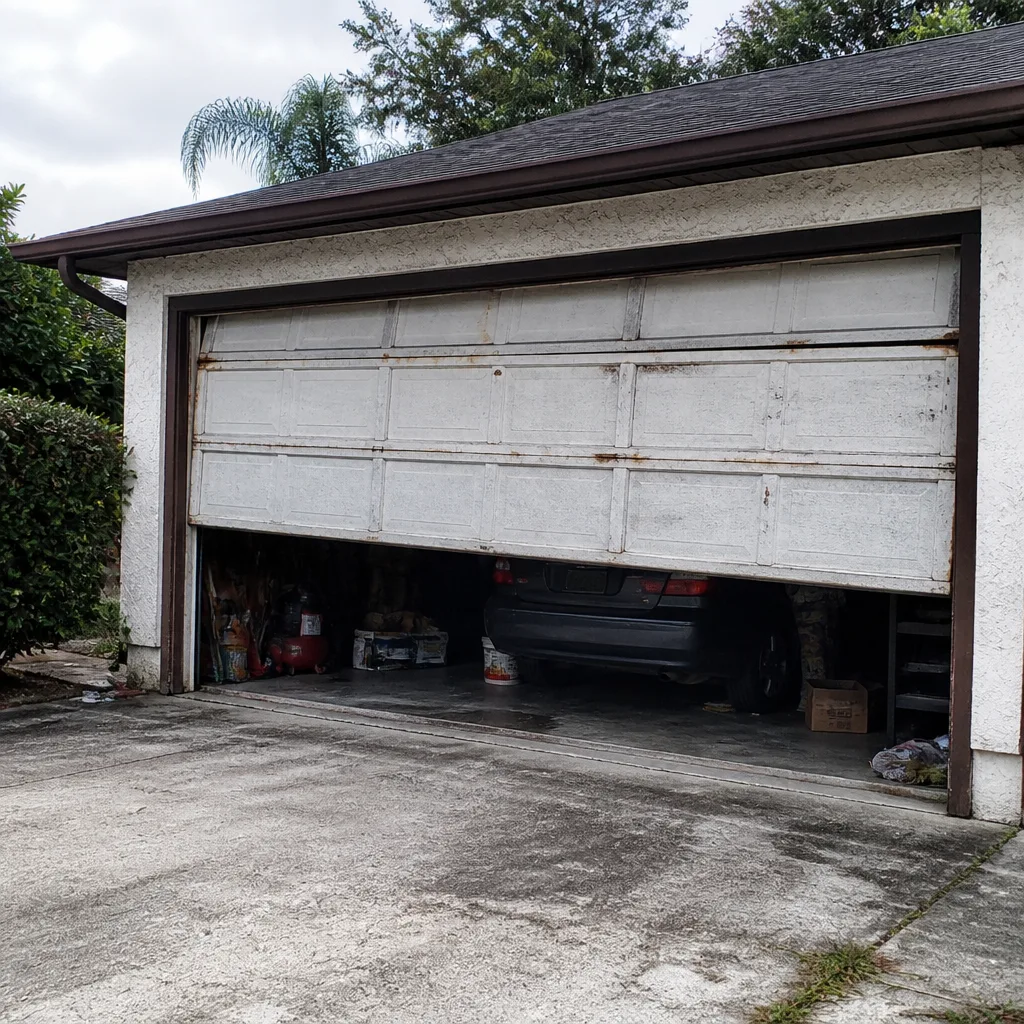 Before
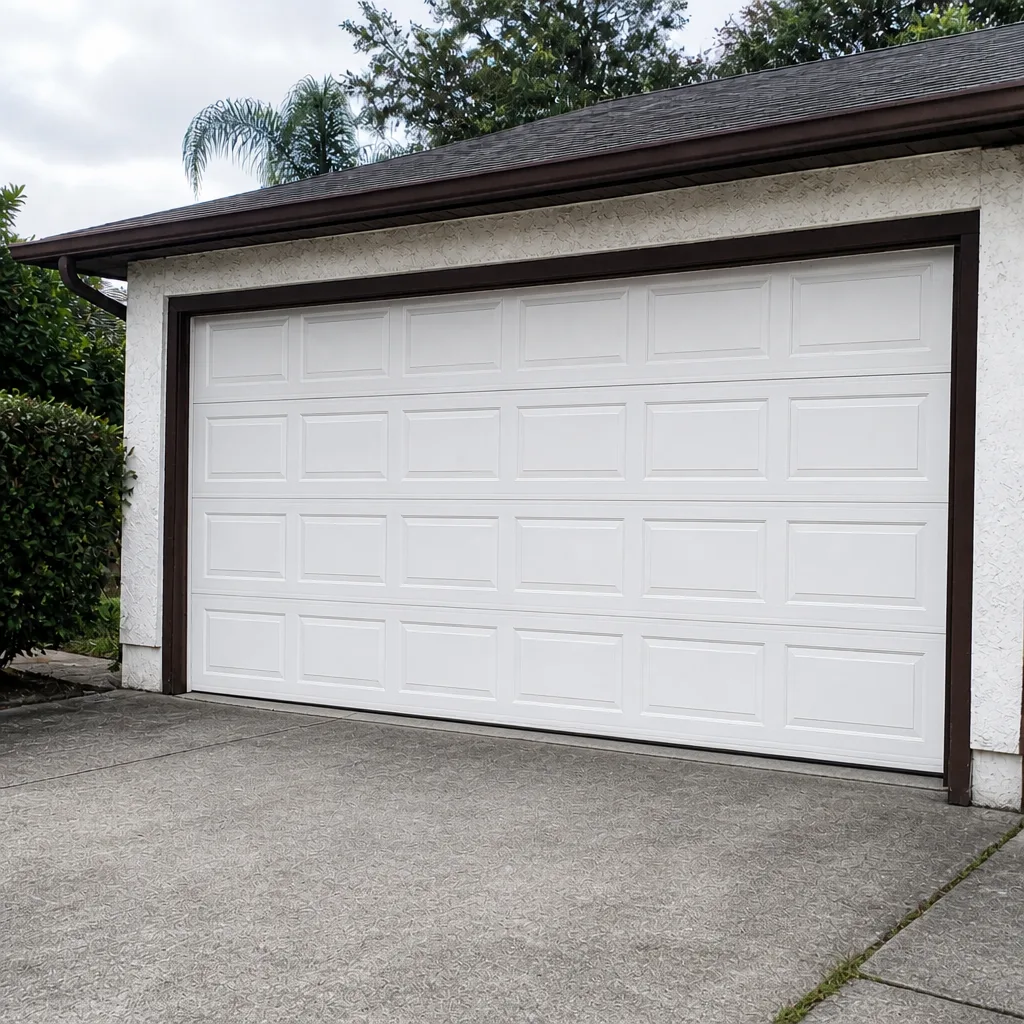 After
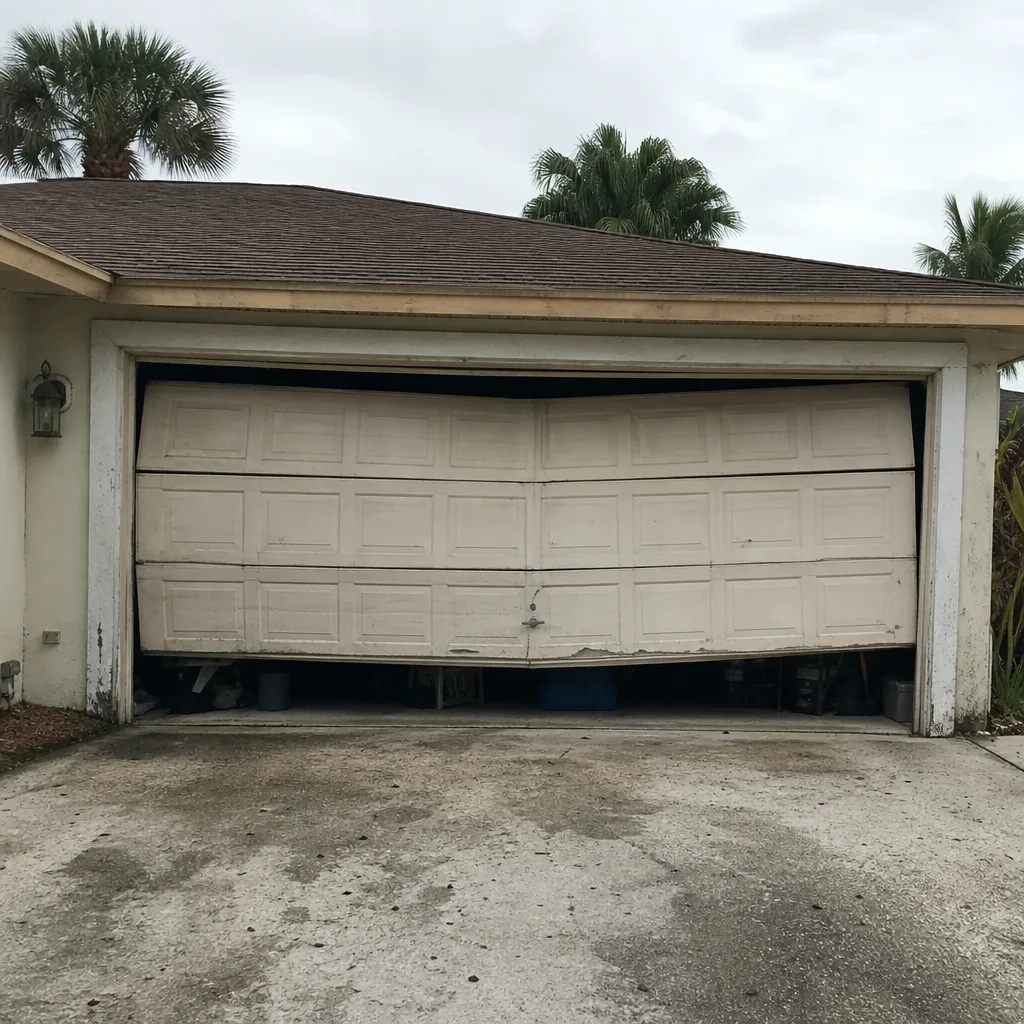 Before
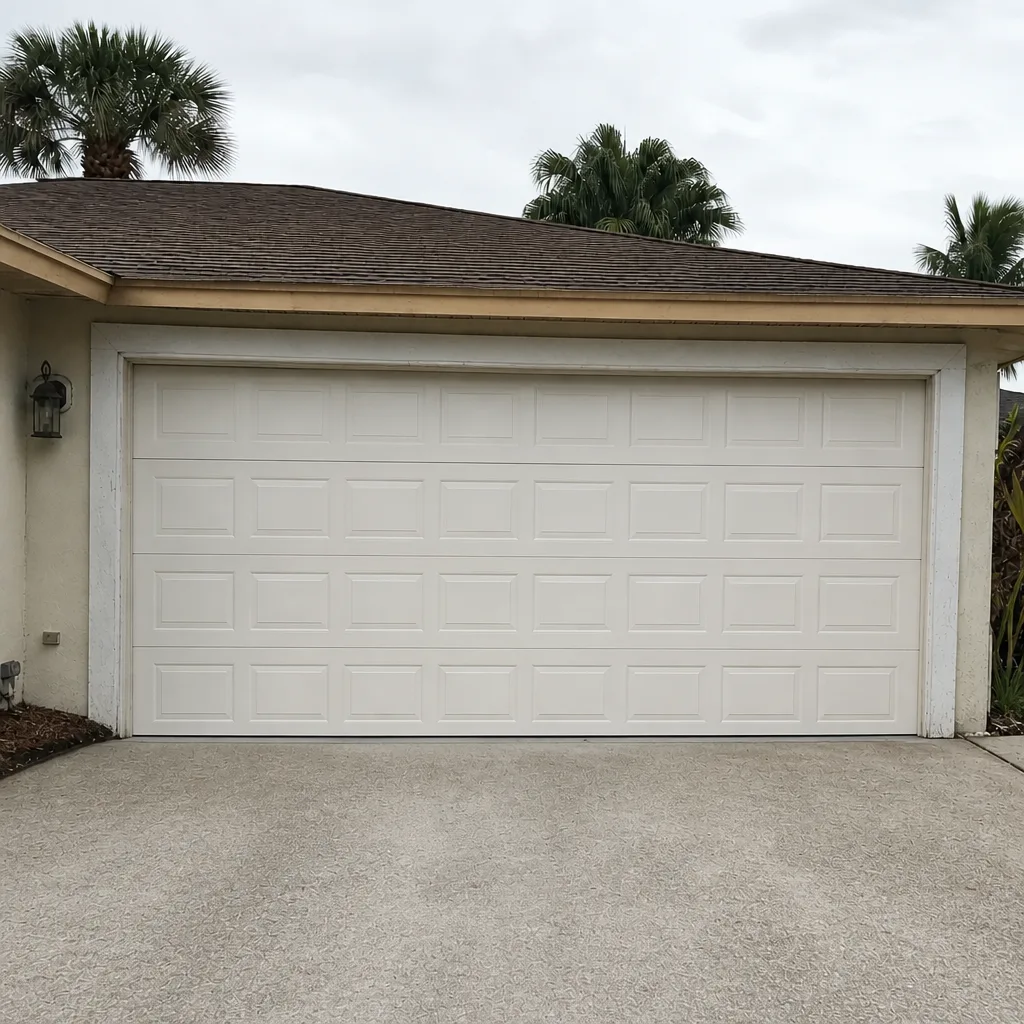 After
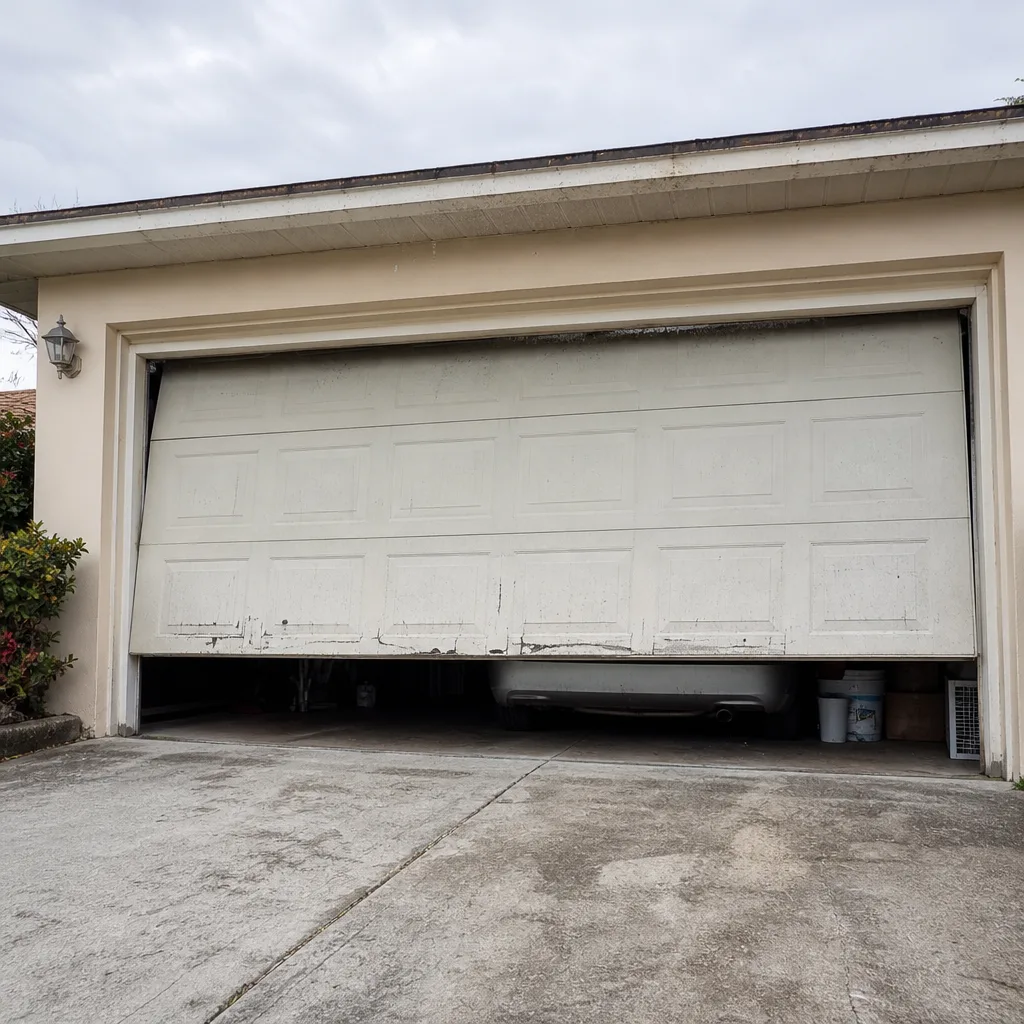 Before
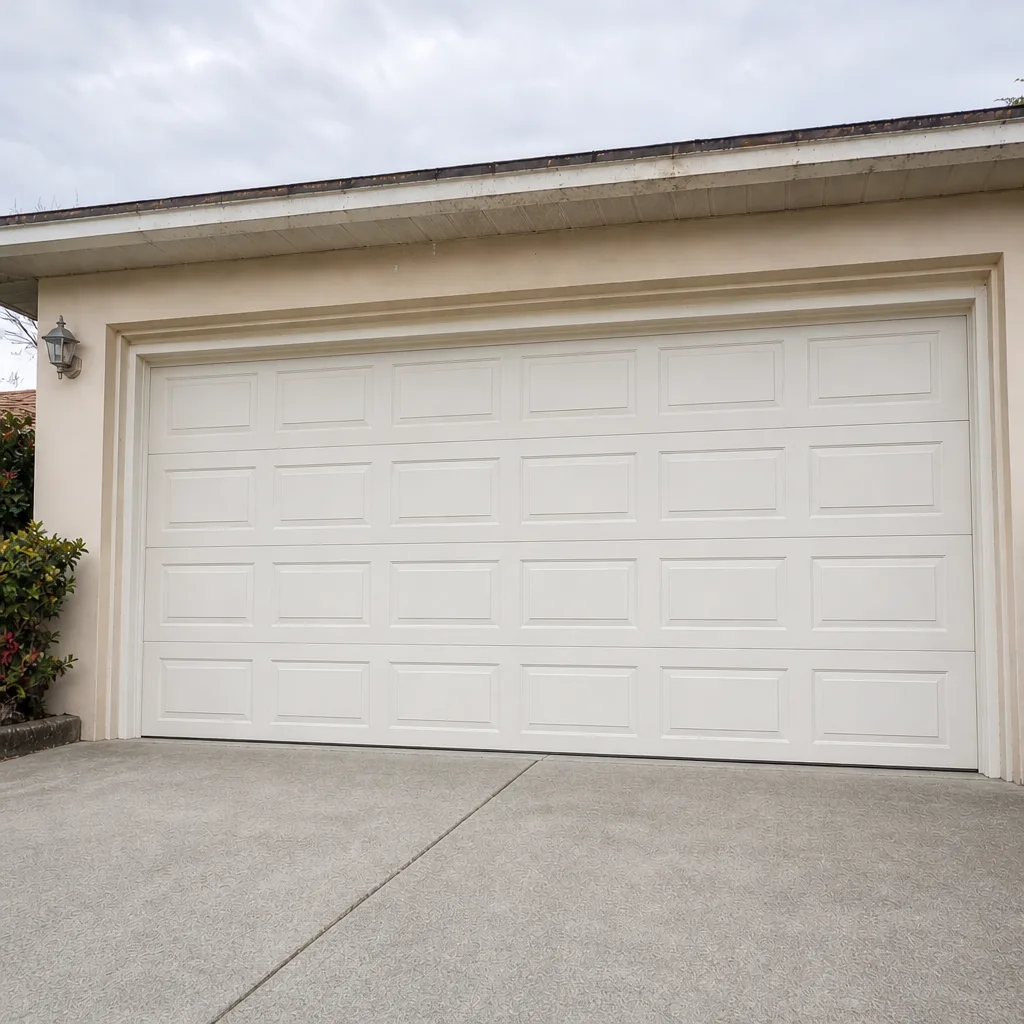 After
When to Call a Professional
Some jobs are fine to handle yourself, and some aren’t. If you hear a loud bang and the door won’t lift, if a spring shows heavy rust or a cable is frayed, or if the door comes off its track, stop and call a professional. These are the situations where a small problem can quickly become dangerous. The same applies when the door is badly out of balance, when the opener grinds or strains, or when weatherstripping needs replacing and you’re not sure which seal fits. Coral Springs Garage Door Repair Pros offers free estimates in Coral Springs – call (855) 697-3734. Our technicians have up to 15 years of experience and work on all the major brands, so we can get your door back up and running without guesswork.
Frequently Asked Questions
Do the five-minute visual check monthly, lubricate and tighten hardware four times a year, and run the balance and safety reverse tests once a year. The humidity here means springs and cables need a closer watch than in a dry climate, so monthly rust checks matter. Call (855) 697-3734 for an exact quote on any repair – estimates are free.
A door-rated lithium or silicone lubricant holds up best because it clings and stays put instead of running off. Avoid thin household oils and general-purpose sprays, which collect grit and hold moisture against the metal. Apply it to hinges, rollers and spring coils four times a year, and keep tracks clean and dry.
Surface rust from year-round humidity creates micro-fractures long before the spring reaches its rated cycle count. That means a rust-streaked spring here can fail earlier than the same spring would somewhere drier. Have any rusted spring evaluated, and never try to replace one yourself. Call (855) 697-3734 for a free estimate.
We handle emergency garage door situations and offer same-day service. We answer 24/7, and fast dispatch runs from 7am to 7pm, Sunday through Friday, so a call gets a quick response. When you call, we’ll book the repair and quote the work before it starts.
No. The written estimate sets the final price, and we agree on it before any work begins, so there are no surprises. The price is per job by estimate, and estimates are free. Call (855) 697-3734 to schedule yours.
The independent local professional we connect you with is licensed and insured as their state requires, so the work is covered and done properly. Our team works on eight major garage door and opener brands, including Chamberlain and LiftMaster. Call (855) 697-3734 to discuss your job.
The Bottom Line
Most garage door breakdowns in Coral Springs start with something small: a bit of rust, a worn seal, a loose bracket. This checklist is built around that reality. Run the five-minute monthly check, lubricate with the right product four times a year, keep an eye on springs and cables for the corrosion that this climate creates, and inspect weatherstripping before the rainy season. Time your bigger checks to the seasons, from January hardware work to a November post-storm review. Follow the rhythm and you’ll catch most problems early, avoid the paperwork of a surprise failure, and keep your door running smoothly.
When something is beyond a visual check, or when a spring snaps or a door comes off its track, don’t push your luck. Call Coral Springs Garage Door Repair Pros at (855) 697-3734 for a free estimate. We answer 24/7, fast dispatch runs from 7am to 7pm, Sunday through Friday, and we’re closed Saturday. Our technicians have up to 15 years of experience, and we repair when possible and replace only when necessary.
Written by the team at Coral Springs Garage Door Repair Pros.